Towada-Hachimantai National Park
Spanning the rugged landscapes of northern Honshu, Towada-Hachimantai National Park is a vast natural wonder known for its volcanic plateaus, alpine scenery, and the deep blue waters of Lake Towada. Stretching across Aomori, Akita, and Iwate prefectures, the park offers dramatic contrasts—from serene crater lakes and forested mountains to steaming volcanic areas and sweeping highland views. Each season transforms the landscape, with vibrant autumn foliage and snow-covered vistas making it a year-round destination for nature lovers.
The park was officially designated as a national park in 1936, making it one of Japan’s earliest protected natural areas. Lake Towada itself was formed by volcanic activity thousands of years ago and has long been revered in local folklore and spiritual traditions. Historically, the region was remote and sparsely populated, helping preserve its pristine environment, while mountain worship and pilgrimage routes once connected people to the area’s powerful natural forces. Today, Towada-Hachimantai National Park stands as a testament to Japan’s commitment to preserving both its dramatic landscapes and the cultural history shaped by them.
Mt. Iwaki Observatory
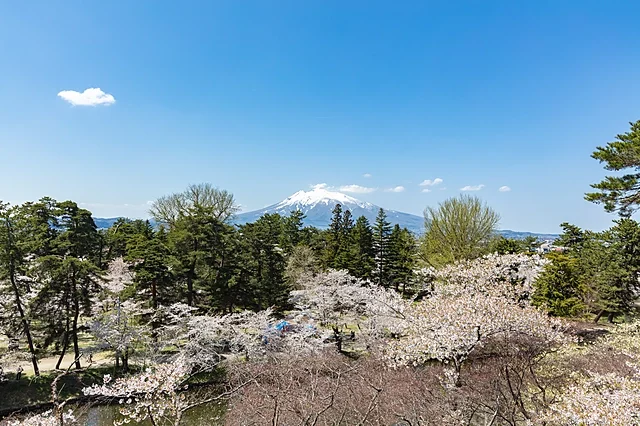
Rising prominently from the Tsugaru Plain, Mt. Iwaki—often called the “Mount Fuji of Tsugaru”—is one of Aomori Prefecture’s most iconic natural landmarks. At 1,625 meters, this stratovolcano has long shaped the landscape and culture of northern Honshu. The Mt. Iwaki Observatory, located near the summit area, offers visitors a rare opportunity to appreciate the mountain’s dramatic scale and sweeping surroundings, with views stretching across the Sea of Japan on clear days.
Mt. Iwaki has been revered for centuries as a sacred mountain, deeply connected to local Shinto beliefs. Pilgrimage routes leading up its slopes date back to the Edo period, when worshippers climbed the mountain as an act of spiritual devotion. As interest in science and meteorology grew in the 20th century, observation facilities were established near the upper elevations to study weather patterns, volcanic activity, and the region’s unique alpine environment—laying the foundation for what would become the Mt. Iwaki Observatory area.
Today, the Mt. Iwaki Observatory blends natural beauty with cultural heritage, serving as both a scenic viewpoint and an educational destination. Visitors can learn about the mountain’s geological history while taking in panoramic vistas of forests, farmland, and distant coastlines. Whether approached as a place of quiet reflection, historical significance, or breathtaking scenery, the Mt. Iwaki Observatory offers an unforgettable perspective on one of northern Japan’s most cherished mountains.
Location Details
Operating Hours: 24 Hours
Admission: Free
Location: Japan, 064-0959 Hokkaido, Sapporo, Chuo Ward, Miyagaoka
Hakkōda Ropeway
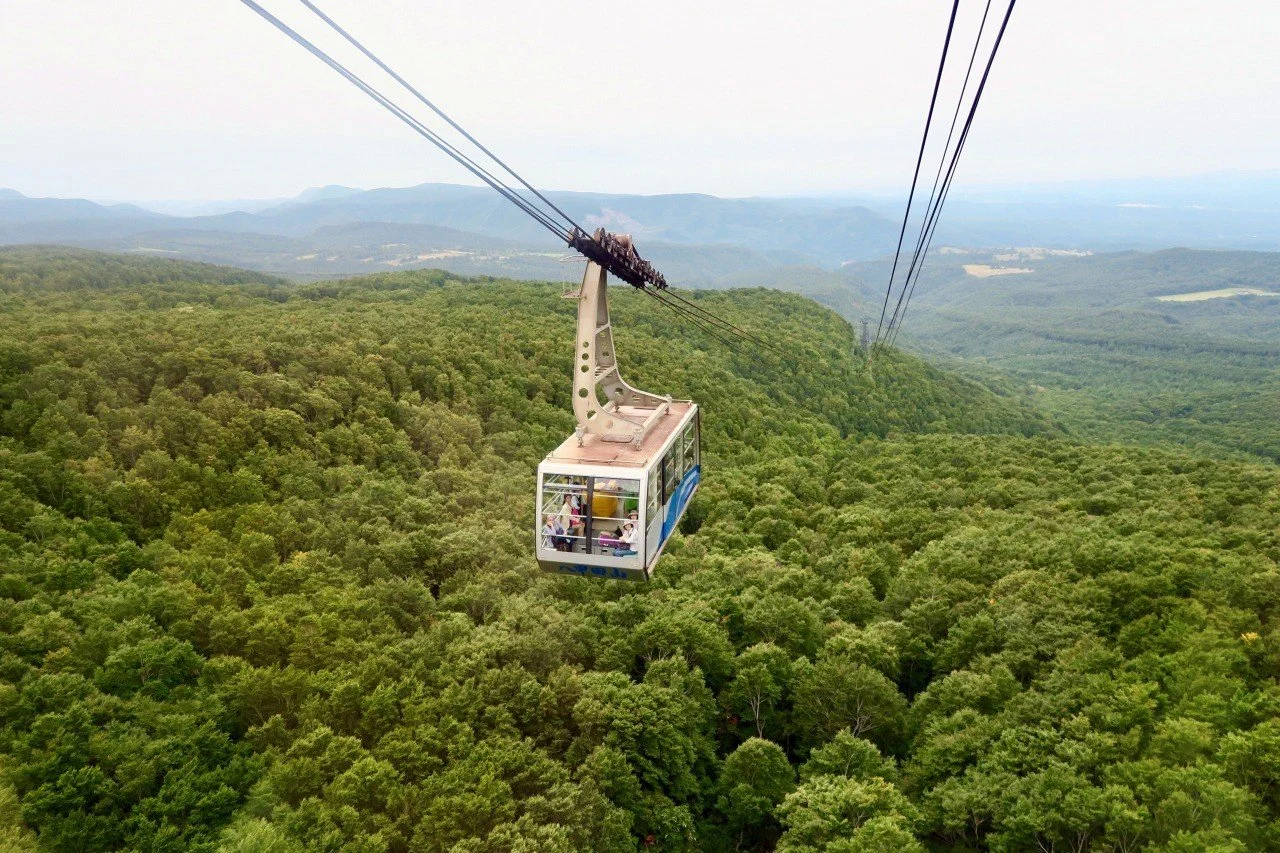
Located in the mountainous heart of Aomori Prefecture, the Hakkōda Ropeway offers visitors a spectacular journey into one of northern Japan’s most pristine alpine landscapes. Carrying passengers from the foothills to near the summit of the Hakkōda Mountains, the ropeway provides sweeping views of beech forests, wetlands, and rugged volcanic peaks. In winter, the area is renowned for its deep snowfall and striking “snow monsters” (juhyō), while in warmer seasons it transforms into a paradise of hiking trails and highland flora.
The Hakkōda Mountains are historically significant, most notably as the site of the tragic Hakkōda Snow March of 1902, when a Japanese army training unit was caught in a severe blizzard, resulting in one of Japan’s worst mountaineering disasters. This event left a lasting mark on the region’s history and contributed to a deeper understanding of mountain weather and survival in extreme conditions. The construction of the Hakkōda Ropeway in the late 20th century opened this once harsh and remote environment to the public in a safer and more accessible way.
Today, the Hakkōda Ropeway serves as a gateway to both natural beauty and historical reflection. Visitors can explore scenic walking paths near the upper station, learn about the region’s past, and experience the dramatic seasonal changes of the mountains from a unique vantage point. Blending accessibility, history, and unforgettable scenery, the Hakkōda Ropeway is a must-visit destination for traveler’s seeking to experience the wild spirit of northern Japan.
Location Details
Operating Hours: 9:00am - 4:00pm
Admission: Adults ¥1400 oneway ¥2200 return Children ¥450 oneway ¥700 return
Location: Kansuizawa-1-12 Arakawa, Aomori, 030-0111, Japan
Towada-Hachimantai National Park
Located at the foot of Mount Maruyama in western Sapporo, Sapporo City Maruyama Zoo is one of Hokkaido’s most beloved family attractions, blending wildlife encounters with the natural beauty of Maruyama Park. Surrounded by forested hills and seasonal scenery—cherry blossoms in spring and snow-covered landscapes in winter—the zoo offers visitors a peaceful escape just minutes from the city center. Its thoughtfully designed enclosures allow guests to observe animals up close while enjoying the calm atmosphere of one of Sapporo’s most scenic districts.
Maruyama Zoo opened in 1951, making it the oldest zoo in Hokkaido. It was established during Japan’s postwar reconstruction period as part of a broader effort to create educational and recreational spaces for the public. Over the decades, the zoo has continually evolved, introducing modern facilities and naturalistic habitats that reflect a growing awareness of animal welfare and environmental education. The zoo’s close connection to Maruyama Park and nearby Hokkaido Shrine also ties it deeply to the historical development of Sapporo as a planned modern city.
Today, Sapporo City Maruyama Zoo is especially known for its exhibits featuring animals from cold climates, such as polar bears, snow leopards, and red pandas—species well suited to Hokkaido’s northern environment. Interactive learning spaces and conservation-focused displays make it a rewarding experience for visitors of all ages. Whether you’re traveling with family or simply seeking a relaxing cultural stop, Maruyama Zoo offers a meaningful look at wildlife, history, and Sapporo’s long-standing commitment to education and nature.
Location Details
Operating Hours: 24 Hours
Admission: Free
Location: Japan, 060-0042 Hokkaido, Sapporo, Chuo Ward, Odorinishi
Lake Towada
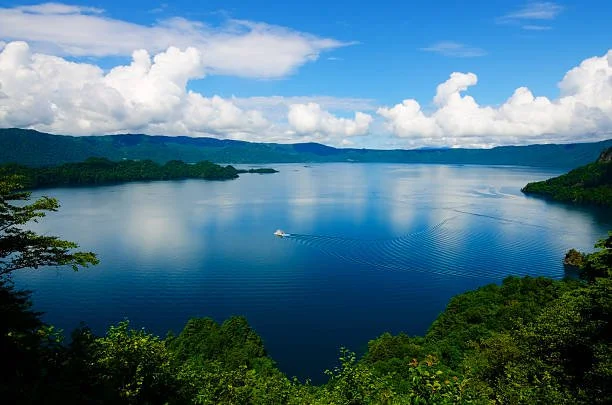
Nestled between Aomori and Akita prefectures, Lake Towada is one of Japan’s most breathtaking caldera lakes, celebrated for its crystal-clear waters and dramatic forested cliffs. Formed by volcanic activity thousands of years ago, the lake stretches across a vast, serene landscape that changes beautifully with the seasons—from lush summer greens to brilliant autumn foliage. Visitors are drawn to its peaceful atmosphere, scenic прогулки along the shoreline, and panoramic viewpoints overlooking the deep blue waters below.
Lake Towada has long been regarded as a sacred place. For centuries, it was an important site of mountain worship, closely associated with nearby Towada Shrine, which was established during the Heian period. Pilgrims once believed the lake was home to powerful deities and dragons, and rituals were performed to calm the waters and ensure safe travel. Its remote location helped preserve both its natural beauty and its spiritual significance well into the modern era.
In the early 20th century, Lake Towada gained national attention as efforts began to protect its unique environment. It was later designated as part of Towada-Hachimantai National Park, promoting conservation and sustainable tourism. Today, the lake offers a harmonious blend of nature, history, and culture—whether explored by boat, on foot, or through quiet moments of reflection—making Lake Towada a timeless destination in northern Japan
Hirosaki Castle
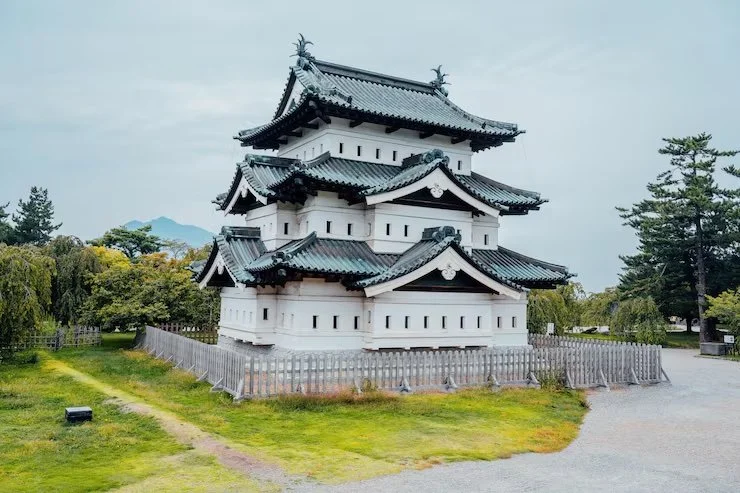
Hirosaki Castle stands gracefully in the heart of Aomori Prefecture, surrounded by expansive parkland, moats, and rows of cherry trees. Originally constructed in 1611, the castle is one of the few in Japan to retain its original Edo-period keep, offering visitors a rare glimpse into the country’s feudal past. Set against the distant backdrop of Mt. Iwaki, the castle grounds change beautifully with the seasons, from cherry blossoms in spring to snow-covered ramparts in winter.
The castle was built by the Tsugaru clan, who ruled the region for over 250 years during the Edo period. Designed as a strategic stronghold, Hirosaki Castle played a key role in maintaining control of northern Honshu. Although many of its original structures were lost to fire and time, the surviving keep, gates, and watchtowers remain important cultural assets, reflecting the architectural style and defensive ingenuity of the early 17th century.
Today, Hirosaki Castle is the centerpiece of Hirosaki Park and a symbol of regional pride. The park is home to one of Japan’s most celebrated cherry blossom festivals, drawing visitors from across the country each spring. Blending history, natural beauty, and cultural tradition, Hirosaki Castle offers a timeless experience that captures the spirit of northern Japan and its enduring heritage.
Location Details
Operating Hours: 24 Hours
Admission: Free
Location: Okuse, Towada, Aomori 018-5501, Japan
Location Details
Operating Hours: 9:00am - 10:00pm
Admission: Adults ¥1,200 Children ¥600
Location: 1 Chome Odorinishi, Chuo Ward, Sapporo, Hokkaido 060-0042, Japan
Discover more Aomori with our Patreon Community
Ready to explore more of Aomori with confidence? Join our Patreon community and unlock exclusive travel videos, travel guides and carefully crafted itineraries designed to help you discover more of Aomori, its amazing destinations, hidden gems, and unforgettable experiences. Interact with the Let’s Go Explore community to discuss and discover travel adventures. Whether you're planning your next adventure or just dreaming about it, we’ll help you travel smarter, easier, and with more excitement every step of the way.





Discover the Beauty of Aomori – Your Gateway to Northern Japan 🍎🇯🇵
Get ready to explore the vibrant and culture-rich city of Aomori, known for its stunning natural scenery, famous festivals, and incredible local flavors. In this edition of the Lets Go Explore travel newsletter, we take you through the foods you can’t miss—from fresh seafood and hearty regional dishes to Aomori’s world-famous apples. We’ll also share simple tips on getting around the city using trains, buses, and local transport so you can explore with confidence.
Inside, you’ll discover our Top 5 sightseeing ideas, a carefully designed 3-day itinerary, and seasonal travel inspiration to help you plan the perfect visit—whether it’s experiencing the colourful Nebuta Festival in summer, enjoying autumn foliage in the mountains, or discovering snowy winter landscapes. Find out exactly why Aomori belongs on your travel list and how to make the most of your adventure in this unique northern destination.
Discover the Flavours of Aomori – Fresh, Hearty, and Full of Local Character 🍎🍜🇯🇵
Get ready to taste the best of Aomori, a destination known for its fresh seafood, comforting regional dishes, and world-famous apples. In this Lets Go Explore food guide, we highlight the must-eat local dishes and show you exactly where to find them—from hearty bowls of ramen and seafood specialties to traditional meals enjoyed by locals year-round. You’ll also discover the sweet treats you shouldn’t miss, including apple-based desserts and popular local favourites that define Aomori’s unique food culture.
Don’t forget the drinks—this guide features the best local beverages to try, from crisp apple juices and regional sake to refreshing options that perfectly complement Aomori’s cuisine. Find out exactly why Aomori belongs on your food travel list and how to make every bite part of your next unforgettable adventure.
Where to Stay in Aomori – Comfort and Convenience in Northern Japan 🏨🍎🇯🇵
Find the perfect place to stay in Aomori, a welcoming city known for its cultural festivals, coastal scenery, and easy access to nature. In this Lets Go Explore accommodation guide, we highlight the best areas to stay—whether you want to be close to the city centre, transport hubs, waterfront attractions, or day trip destinations. You’ll discover the different types of accommodation the city has to offer, from modern hotels and comfortable mid-range stays to budget-friendly options that suit every travel style.
We also share helpful seasonal tips to help you choose the right location depending on the time of year, along with practical booking tips to secure the best value and availability. Discover exactly why Aomori is a great place to stay, with its friendly atmosphere, convenient layout, and range of accommodation options that make visiting simple and enjoyable.
Getting Around Aomori – Easy Connections to City and Nature 🚆🚌🇯🇵
Get ready to explore Aomori with confidence using the city’s reliable and easy-to-understand transportation system. In this Lets Go Explore transportation guide, we cover all the different types of transport the city has to offer—from local buses and regional trains to airport access and connections to nearby sightseeing spots—so you’ll know exactly how to get around without stress.
You’ll also learn how to pay for transportation using IC cards, tickets, and travel passes, along with helpful tips to make navigating the city simple and efficient. Discover exactly why Aomori is easy to explore, thanks to its compact city centre, straightforward transport options, and convenient links to some of northern Japan’s most beautiful destinations.
Aomori Adventures: Explore the Culture, Nature, and Festivals of Japan’s Northern Gateway 🍎🏮🌊
Uncover the spirit of Aomori with a sightseeing guide designed to help you experience this vibrant northern city with ease. Inside, you’ll discover must-visit spots and exactly where to find them, from famous cultural landmarks and scenic waterfront areas to museums and historic sites. We also highlight local hidden gems and favourite neighbourhood spots where you can enjoy authentic regional flavours and off-the-beaten-path experiences. The guide showcases seasonal highlights—from the spectacular summer festivals and colourful autumn foliage to snowy winter landscapes—along with easy day trips from Aomori to nearby hot springs, mountain retreats, and coastal destinations. Whether you're visiting for festivals, nature, or unique local culture, this guide reveals why Aomori deserves a place on your travel list and helps you plan a memorable adventure in Japan’s captivating north.