Fukuoka
Fukuoka is a lively coastal city on the northern shore of Kyushu, known for its friendly atmosphere, excellent food scene, and youthful energy. Blending modern shopping districts like Tenjin with seaside parks and historic neighborhoods, Fukuoka offers travelers an easygoing introduction to southern Japan. The city is especially famous for its open-air yatai food stalls, where locals and visitors gather at night to enjoy ramen and regional specialties.
Historically, Fukuoka has long served as Japan’s gateway to Asia due to its proximity to the Korean Peninsula and China. The area developed as two separate towns—Hakata, a major port and merchant centre, and Fukuoka, a samurai castle town—before merging into a single city in the late 19th century. Over centuries, trade, diplomacy, and cultural exchange shaped the region’s identity. Today, Fukuoka reflects this outward-looking history, combining deep traditions with a modern, international outlook that continues to define the city’s character.
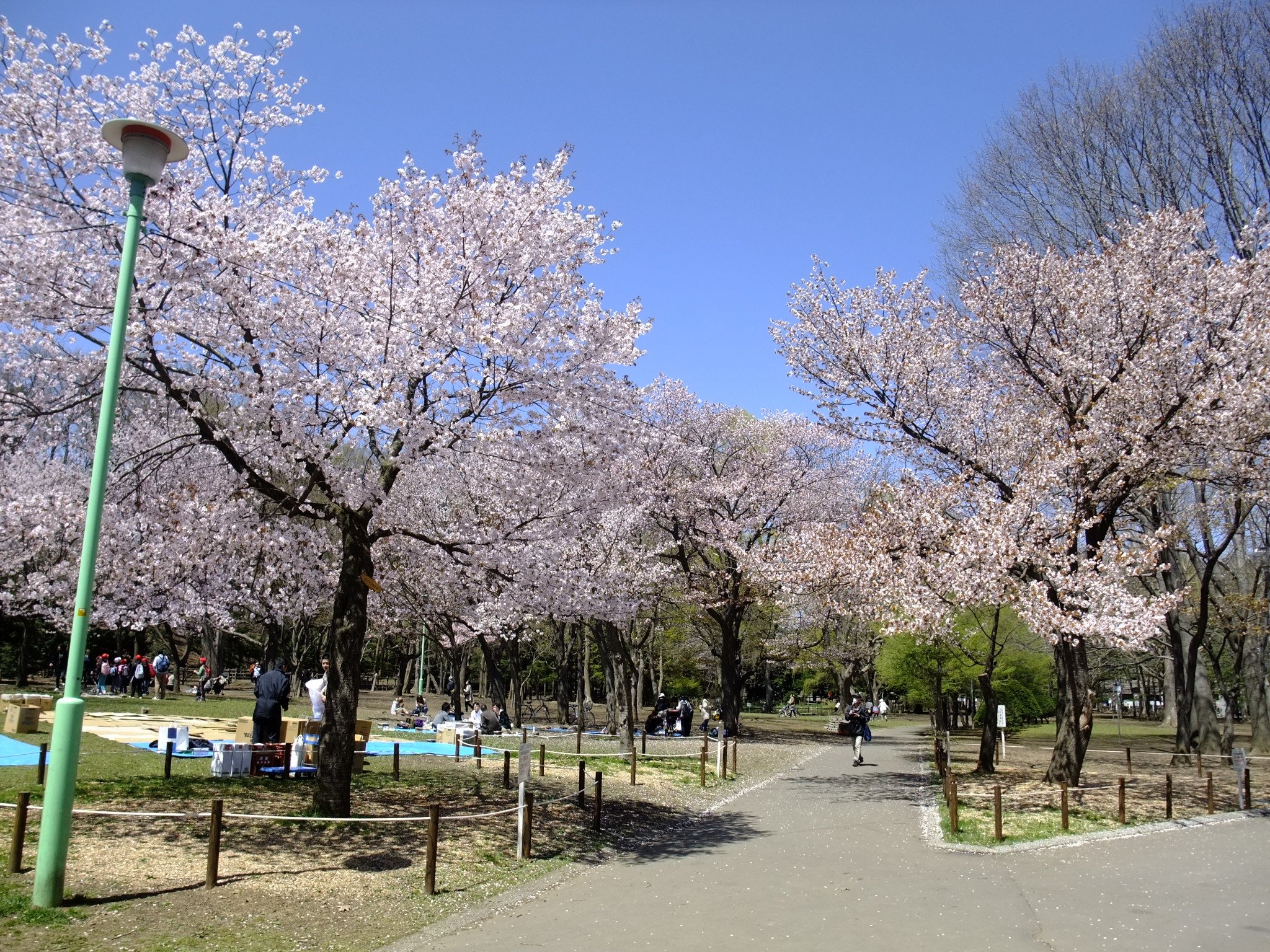
Sumiyoshi Shrine
Sumiyoshi Shrine is one of Fukuoka’s most important and atmospheric Shinto shrines, located just south of Hakata Station along the Sumiyoshi River. Despite its central location, the shrine feels calm and secluded, surrounded by tall trees and spacious grounds. Its architecture follows the ancient Sumiyoshi-zukuri style, giving visitors a rare chance to experience one of Japan’s oldest shrine designs.
Sumiyoshi Shrine in Fukuoka is believed to have been founded over 1,800 years ago, making it one of the earliest Sumiyoshi shrines in Japan. It enshrines the Sumiyoshi Sanjin, deities associated with sea travel, protection, and safe journeys. Historically, the shrine held great significance for sailors, fishermen, and merchants departing from Hakata Port, which was a major gateway for trade and cultural exchange with mainland Asia. Prayers for safe voyages and successful trade were an essential part of the shrine’s role in the region.
Today, Sumiyoshi Shrine remains a vital spiritual site and a symbol of Fukuoka’s maritime heritage. Visitors can stroll through the grounds, admire the distinctive shrine buildings, and experience seasonal festivals that continue centuries-old traditions. Blending ancient history with everyday city life, Sumiyoshi Shrine offers traveler’s a meaningful connection to Fukuoka’s past and its long-standing relationship with the sea and travel.
Location Details
Operating Hours: 9:00am - 5:00pm
Admission: Free
Location: 1-41 Kamikawabatamachi, Hakata Ward, Fukuoka, 812-0026, Japan
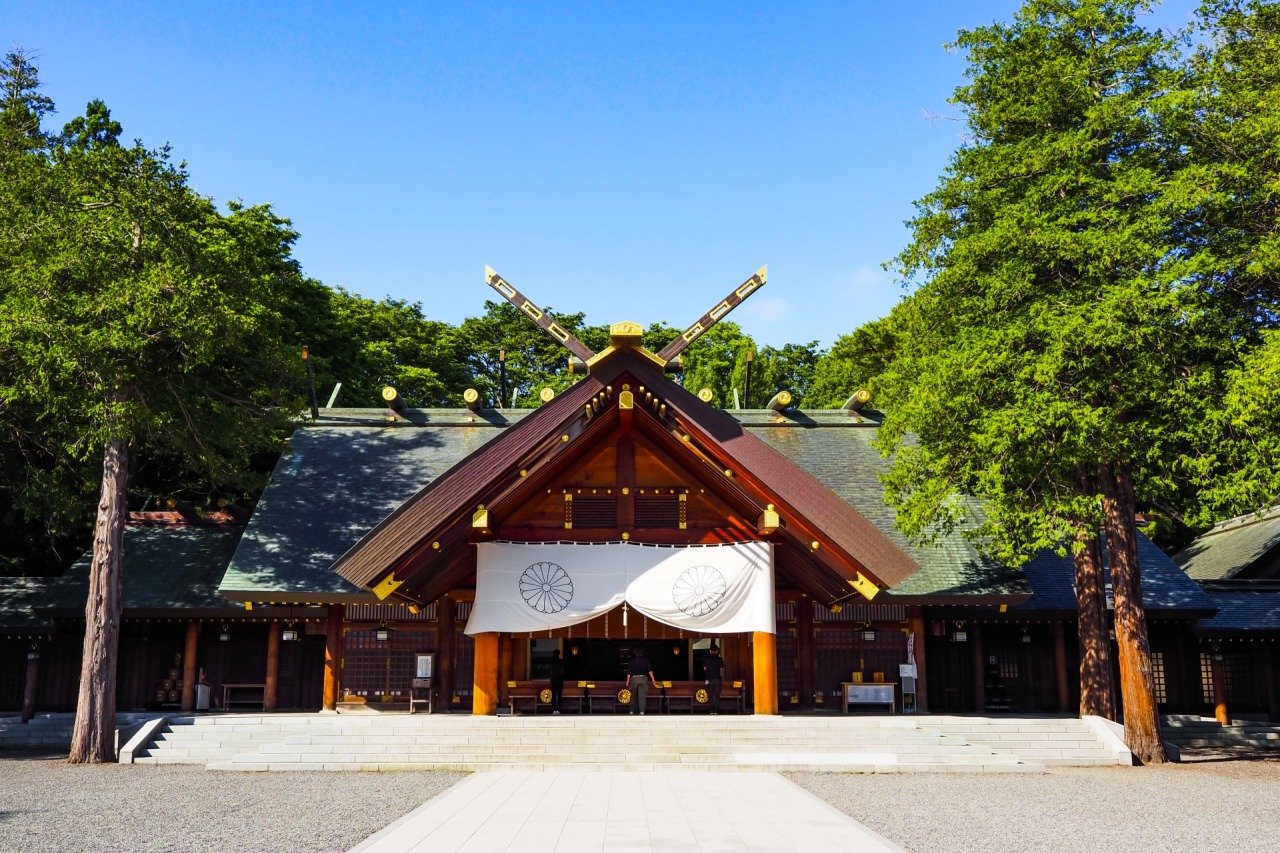
Kushida Shrine
Kushida Shrine is one of Fukuoka’s most beloved and historically significant shrines, located in the heart of the Hakata district. Surrounded by traditional streets and local shops, the shrine offers a warm, community-focused atmosphere that reflects the spirit of old Hakata. Its grounds feature sacred trees, stone lanterns, and a powerful sense of continuity amid the modern city.
Kushida Shrine was founded in 757 and has long served as the guardian shrine of Hakata. It enshrines several Shinto deities believed to protect the city and ensure prosperity and good health. The shrine is best known as the spiritual center of the Hakata Gion Yamakasa, a dynamic summer festival with origins over 770 years ago. Begun as a ritual to ward off disease and disasters, the festival has grown into one of Japan’s most famous cultural events, deeply tied to the shrine’s history.
Today, Kushida Shrine remains a living symbol of Hakata’s traditions and community life. Visitors can view an elaborately decorated festival float displayed year-round, explore the shrine’s peaceful grounds, and experience seasonal rituals that continue ancient practices. Blending deep historical roots with vibrant local culture, Kushida Shrine offers traveler’s an authentic glimpse into Fukuoka’s spiritual heritage and the enduring pride of the Hakata people.
Location Details
Operating Hours: 9:00am - 5:00pm
Admission: Free
Location: 3 Chome-1-51 Sumiyoshi, Hakata Ward, Fukuoka, 812-0018, Japan
Tochoji Temple
Tōchō-ji Temple is one of Fukuoka’s most important historic temples, located in the Hakata district near many of the city’s oldest streets. The temple is best known for its towering wooden Great Buddha statue, one of the largest seated Buddhas in Japan, and its striking five-story pagoda. Despite its urban setting, Tōchō-ji offers a calm, contemplative atmosphere that reflects its long spiritual history.
Tōchō-ji was founded in 806 by Kūkai, the renowned Buddhist monk who later established the Shingon school of Buddhism. It is considered the oldest Buddhist temple in Fukuoka and played a key role in introducing Shingon teachings to Kyushu. Over the centuries, the temple became closely tied to Hakata’s development as a port city, serving as a place of prayer, learning, and protection for local residents and traveler’s passing through the region.
Today, Tōchō-ji Temple remains an active place of worship and a meaningful cultural landmark. Visitors can enter the Buddha hall, experience a symbolic journey through the Buddhist afterlife beneath the statue, and explore the temple grounds at a relaxed pace. Blending religious significance, striking architecture, and over a thousand years of history, Tōchō-ji offers traveler’s a deep and reflective look into Fukuoka’s Buddhist heritage.
Korokan Ruins Museum
Korokan Ruins Museum is a fascinating historical site and museum located within Maizuru Park, near the ruins of Fukuoka Castle. The museum is built directly over excavated remains, allowing visitors to walk above and alongside the foundations of an ancient diplomatic complex. Through reconstructed layouts, artifacts, and interactive displays, the Korokan Ruins Museum brings to life a lesser-known but crucial chapter of Japan’s early international history.
Korokan was originally established in the 7th century during the Asuka and Nara periods as a state guesthouse for foreign envoys and dignitaries. As Japan increased diplomatic and cultural exchange with China and the Korean Peninsula, Korokan served as an official reception and accommodation centre for visiting ambassadors, monks, and traders arriving through Hakata Bay. The site highlights Fukuoka’s long-standing role as Japan’s gateway to Asia, centuries before the city developed into a modern port.
Today, the Korokan Ruins Museum preserves and interprets these archaeological remains for the public. Visitors can learn about ancient diplomacy, early architecture, and the daily lives of those who once stayed at the complex, all within a quiet park setting. By blending archaeology, history, and modern presentation, the museum offers traveler’s a unique opportunity to explore Fukuoka’s deep roots as a centre of international exchange and cultural connection.
Fukuoka Castle Ruins
Fukuoka Castle Ruins are located in Maizuru Park, a spacious green area in the heart of Fukuoka City. Although no main keep remains, the site still features impressive stone walls, gates, moats, and elevated viewpoints that hint at the castle’s former scale and power. Surrounded by greenery and city views, the ruins offer a peaceful place to explore history while enjoying one of Fukuoka’s most popular parks.
Fukuoka Castle was built in the early 17th century by Kuroda Nagamasa, a powerful feudal lord who ruled the Chikuzen Domain during the Edo period. Once one of the largest castles in Kyushu, it served as the political and military center of the region. Like many castles across Japan, Fukuoka Castle was dismantled after the Meiji Restoration as the feudal system ended, leaving behind only its stone foundations and defensive structures.
Today, the Fukuoka Castle Ruins are a beloved historical landmark and seasonal attraction. In spring, the area becomes one of the city’s top cherry blossom viewing spots, while illuminated ruins create a dramatic atmosphere at night. Informational signs throughout the park help visitors imagine the castle’s original layout and importance. Blending open parkland with deep samurai-era history, the Fukuoka Castle Ruins offer traveler’s a meaningful glimpse into the origins of modern Fukuoka and its transformation over time.
Toyohira River
Flowing through the heart of Sapporo, the Toyohira River is a defining natural feature of the city, offering wide riverbanks, scenic walking paths, and open views that change with the seasons. In summer, locals enjoy cycling and picnics along its banks, while in winter the snow-covered landscape highlights the river’s quiet beauty. Framed by distant mountains and the urban skyline, the Toyohira River provides a refreshing contrast to city life and an inviting space for relaxation and outdoor activity.
The Toyohira River has played a vital role in Sapporo’s history since the city’s earliest days. During the late 19th century, its waters were essential for irrigation, daily life, and the development of agriculture as settlers moved into Hokkaido. The river also helped shape Sapporo’s distinctive grid-style city layout, influencing where neighbourhoods and infrastructure were built as the city expanded. Over time, flood control projects were introduced to protect the growing population, transforming the river into a more managed but still prominent part of the urban landscape.
Today, the Toyohira River is valued not only for its historical importance but also as a major recreational and ecological corridor. Well-maintained parks and riverside trails make it a popular destination for jogging, cycling, and seasonal events, while ongoing conservation efforts help preserve local wildlife. Whether you’re exploring Sapporo on foot or simply enjoying the view, the Toyohira River offers a deeper connection to the city’s origins and its enduring relationship with nature.
Location Details
Operating Hours: 9:00am - 4:45pm
Admission: Free
Location: 2-4 Gokushomachi, Hakata Ward, Fukuoka, 812-0037, Japan
Location Details
Operating Hours: 9:00am - 5:00pm
Admission: Free
Location: 1 Jonai, Chuo Ward, Fukuoka, 810-0043, Japan
Location Details
Operating Hours: 9:00am - 500pm
Admission: Adults Free
Location: 1-1 Jonai, Chuo Ward, Fukuoka, 810-0043, Japan
Location Details
Operating Hours: 24 Hours
Admission: Free
Location: Sapporo