Sendai
Sendai, the largest city in Japan’s Tōhoku region, is known as the “City of Trees” for its wide boulevards lined with lush greenery. Blending modern urban life with natural beauty, Sendai offers easy access to mountains, hot springs, and the scenic Pacific coastline. Its vibrant food scene, lively shopping districts, and relaxed atmosphere make it an inviting base for travelers exploring northern Japan.
The city was founded in 1600 by the powerful feudal lord Date Masamune, whose legacy is still deeply woven into Sendai’s identity. Under his rule, Sendai grew into an important political and cultural center during the Edo period. Today, historic sites such as the ruins of Sendai Castle and annual events like the Sendai Tanabata Festival reflect the city’s rich past while celebrating its role as a dynamic, forward-looking gateway to the Tōhoku region.
Rairaikyo Gorge
Rairaikyo Gorge is a striking natural ravine located in the hot spring town of Akiu Onsen, just outside Sendai in Miyagi Prefecture. Carved over centuries by the clear, fast-flowing Natori River, the gorge is known for its dramatic rock formations, gentle waterfalls, and winding walking paths that allow visitors to experience the landscape up close. Each season brings a different atmosphere—lush greenery in summer, vibrant foliage in autumn, and a quiet, sculptural beauty in winter—making Rairaikyo a year-round destination for nature lovers.
Historically, Rairaikyo Gorge has been closely tied to Akiu Onsen, one of the oldest hot spring resorts in the Tōhoku region. The area has been visited for centuries by traveler’s, monks, and feudal lords seeking both relaxation and healing in the mineral-rich waters nearby. During the Edo period, Akiu was a well-known rest stop, and the gorge itself was admired as a scenic retreat, celebrated in local poetry and art for its tranquil and spiritual qualities.
Today, Rairaikyo Gorge remains an easily accessible escape into nature, with well-maintained trails and viewing platforms that blend seamlessly into the surrounding environment. Visitors can stroll along the riverbanks, cross small bridges, and pause at viewpoints that highlight the gorge’s layered cliffs and flowing water. As a symbol of the enduring relationship between Japan’s natural landscapes and its hot spring culture, Rairaikyo Gorge offers both a peaceful retreat and a glimpse into the region’s long-standing appreciation for nature and wellbeing.
Location Details
Operating Hours: 9:00am - 5:00pm
Admission: Free
Location: Shimizukubokita-22 Akiumachi Nagafukuro, Taihaku Ward, Sendai, Miyagi 982-0243, Japan
Akiu Shrine
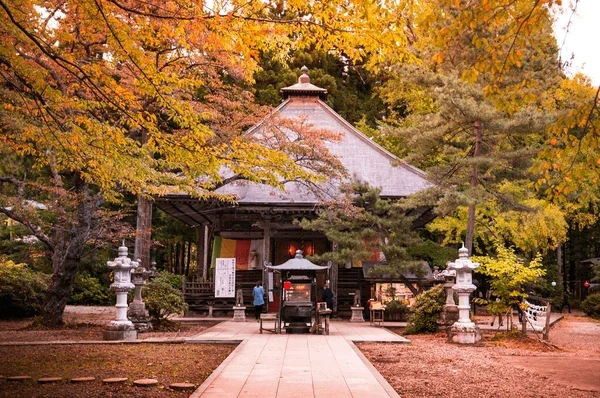
Nestled in the wooded hills of Sendai, Akiu Shrine is a tranquil spiritual site that reflects the deep connection between nature and Shinto belief. Surrounded by cedar trees and mountain air, the shrine offers visitors a peaceful retreat from the city, where stone lanterns and traditional torii gates create a timeless atmosphere. Seasonal changes bring new beauty to the grounds, from fresh greenery in spring to vibrant autumn colors.
Akiu Shrine is dedicated to the deities of Akiu no Sato, protectors believed to watch over the land, agriculture, and local communities. Its origins date back over a thousand years, when the area served as an important religious and cultural hub along ancient travel routes in northern Japan. Historically, the shrine was closely associated with regional rulers and villagers alike, who prayed here for bountiful harvests, protection from natural disasters, and harmony with the surrounding environment.
Today, Akiu Shrine remains an important spiritual landmark and a place of quiet reflection for both locals and travelers. Visitors can experience traditional Shinto architecture, observe local rituals, and enjoy the calm rhythm of shrine life that has continued for centuries. As part of the wider Akiu area—famous for its hot springs and natural scenery—the shrine offers a meaningful glimpse into Japan’s enduring traditions and the history that continues to shape everyday life.
Location Details
Operating Hours: 24 Hours
Admission: Free
Location: Akiumachi Yumoto, Taihaku Ward, Sendai, Miyagi 982-0241, Japan
Akiu Great Falls
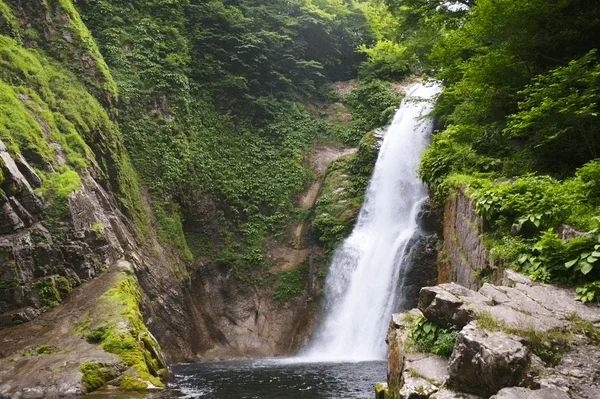
Located in the scenic mountains west of Sendai, Akiu Great Falls (Akiu Ōtaki) is one of Japan’s most impressive waterfalls, plunging nearly 55 meters into a rocky gorge below. Framed by steep cliffs and dense forest, the falls deliver a powerful, thunderous display that can be felt as much as it is seen. A well-maintained viewing platform allows visitors to safely admire the cascade, while walking trails invite exploration of the surrounding natural landscape.
Akiu Great Falls has been revered for centuries and is traditionally considered a sacred site connected to nearby Shinto worship. Historical records and local legends suggest that ascetic monks once trained in the area, drawn by the waterfall’s spiritual energy and isolation. During the Edo period, the falls became a noted scenic destination, praised in regional writings and artwork for its dramatic beauty and symbolic association with purification and renewal.
Today, Akiu Great Falls is recognized as one of Japan’s Three Great Waterfalls and remains a highlight of the Akiu region. Each season offers a different experience—from lush greenery in summer to fiery autumn foliage and frozen formations in winter. Easily accessible yet deeply atmospheric, the falls provide travelers with a powerful encounter with nature and a lasting connection to the cultural and spiritual history of northern Japan.
Akiu Otaki Botanical Gardens
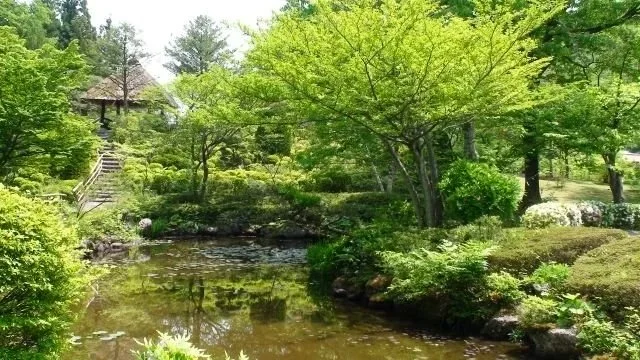
Set amid the forested hills near Akiu Ōtaki, AkiuOtakiBotanicalGardens offers visitors a peaceful introduction to the rich plant life of northern Japan. The gardens are thoughtfully arranged along gentle walking paths, blending cultivated spaces with the surrounding natural woodland. Towering trees, seasonal flowers, and native alpine plants create a calm environment that encourages slow exploration and appreciation of nature.
The botanical gardens were established to protect and showcase the diverse flora of the Akiu region, an area long valued for its pristine environment and spiritual significance. Historically, the nearby Akiu Great Falls attracted monks, travelers, and nature scholars, who recognized the ecological richness of the surrounding forests. The gardens grew out of local conservation efforts in the 20th century, aiming to preserve native plant species while educating the public about the region’s natural heritage.
Today, Akiu Otaki Botanical Gardens serves as both a relaxing retreat and an educational destination. Visitors can enjoy seasonal highlights such as spring blossoms, summer greenery, and vivid autumn foliage, all set against the backdrop of mountain scenery. As a complement to the nearby waterfall and shrines, the gardens offer a quieter, more contemplative experience—connecting modern travelers with the enduring relationship between nature, history, and culture in the Akiu area.
Futakuchi Kyokoku National Park
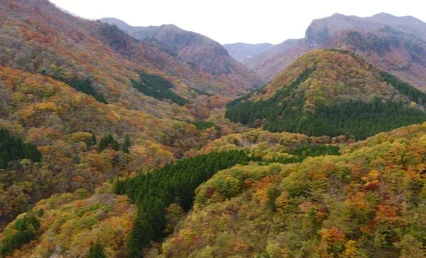
Tucked away in the mountains west of Sendai, Futakuchi Kyokoku National Park is a dramatic natural area known for its deep gorge, rugged cliffs, and clear mountain streams. The park’s narrow valleys and dense forests create a striking landscape shaped by centuries of erosion, with waterfalls, rock formations, and winding trails offering visitors a sense of raw, untamed beauty. It is a place where nature feels powerful and immersive, especially during the quieter moments between cascading water and forest sounds.
Historically, Futakuchi Kyokoku was an important mountain route connecting inland regions with the coast, used by travelers, merchants, and ascetic monks. The remote terrain also made it a site for Shugendō practices, where mountain worshippers trained in isolation, believing the area to be spiritually charged. During the Edo period, the gorge gained recognition as a scenic destination, celebrated for its dramatic landscape and later protected for its natural and cultural value.
Today, Futakuchi Kyokoku is cherished as a protected park where visitors can experience nature much as it appeared centuries ago. Seasonal changes transform the scenery—from lush green growth in summer to vivid autumn foliage and icy stillness in winter. Combining natural beauty with a deep historical connection to travel, worship, and preservation, the park offers traveler’s a meaningful escape into one of Miyagi Prefecture’s most atmospheric mountain landscapes.
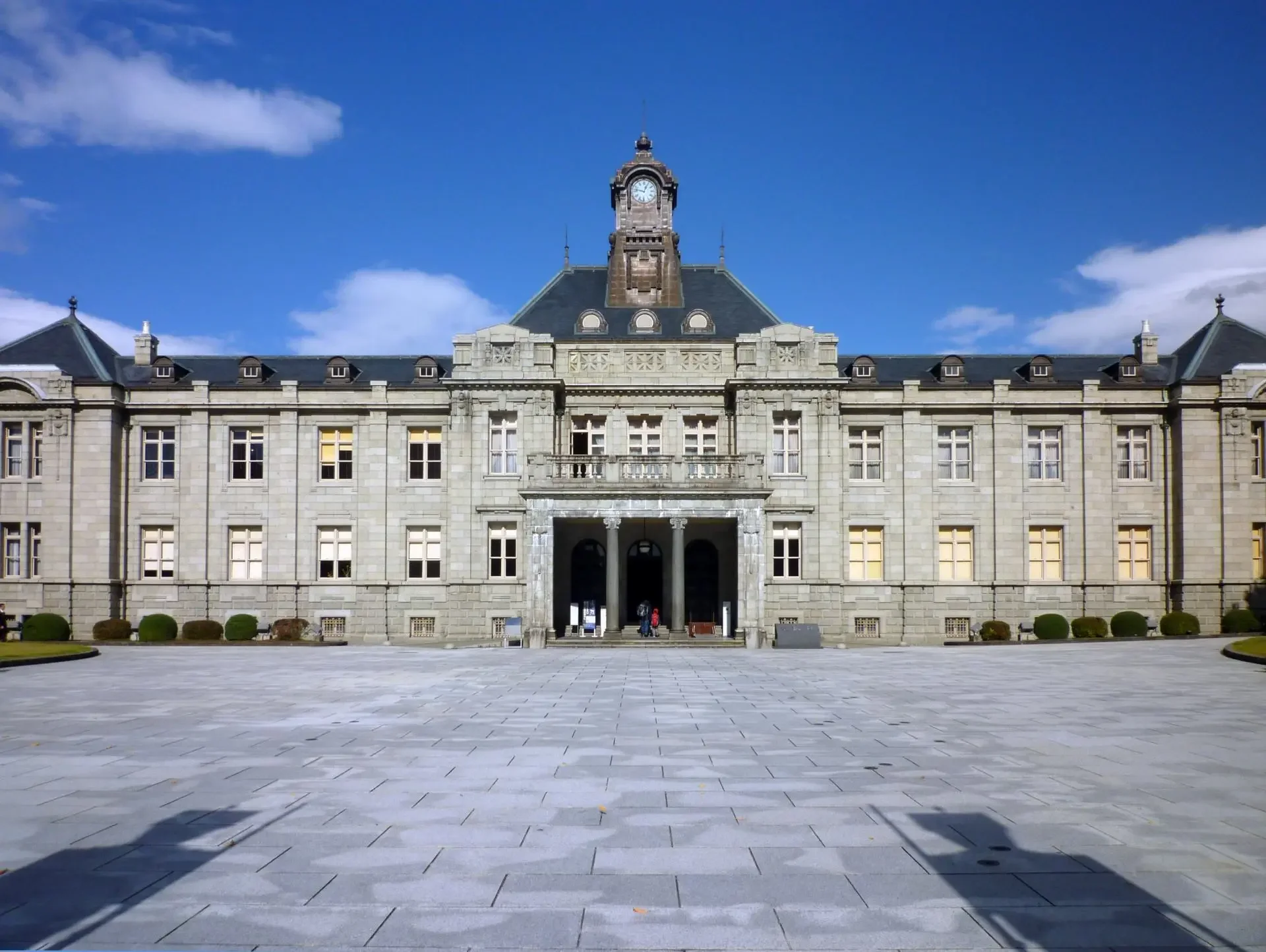
Yamagata Folk Museum Bunshokan
Located in the heart of Yamagata City, Yamagata Folk Museum Bunshokan is one of the city’s most striking historic landmarks. The elegant Western-style building, with its symmetrical design and domed roof, stands out against the surrounding streetscape and immediately draws visitors in. Inside, the museum offers a calm, refined atmosphere where architecture and history come together.
Bunshokan was originally constructed in 1916 as the former Yamagata Prefectural Office and Assembly Hall during Japan’s Taishō period, a time when Western architectural influences were being embraced across the country. Designed to symbolise modern governance and progress, the building played a central role in the administration of Yamagata Prefecture for decades. After government offices moved to a new location, the structure was carefully preserved and later repurposed as a cultural facility, recognizing its historical and architectural value.
Today, the Yamagata Folk Museum Bunshokan serves as a window into the region’s past. Visitors can explore exhibitions on local history, culture, and craftsmanship while admiring original features such as grand staircases, wooden interiors, and period details. Blending education with architectural beauty, Bunshokan offers traveler’s a deeper understanding of Yamagata’s journey into modern Japan and remains a proud symbol of the city’s heritage.
Location Details
Operating Hours: 9:00am - 4:00pm
Admission: Adults ¥240 Children ¥120
Location: Otaki-5 Akiumachi Baba, Taihaku Ward, Sendai, Miyagi 982-0244, Japan
Location Details
Operating Hours: 24 Hours
Admission: Free
Location: Japan, 981-1101 Miyagi, Sendai, Taihaku Ward
Location Details
Operating Hours: 9:00am - 4:30pm
Closed Mondays
Admission: Free
Location: 3 Chome-4-51 Hatagomachi, Yamagata, 990-0047, Japan
Kajo Park & Yamagata Castle Ruins
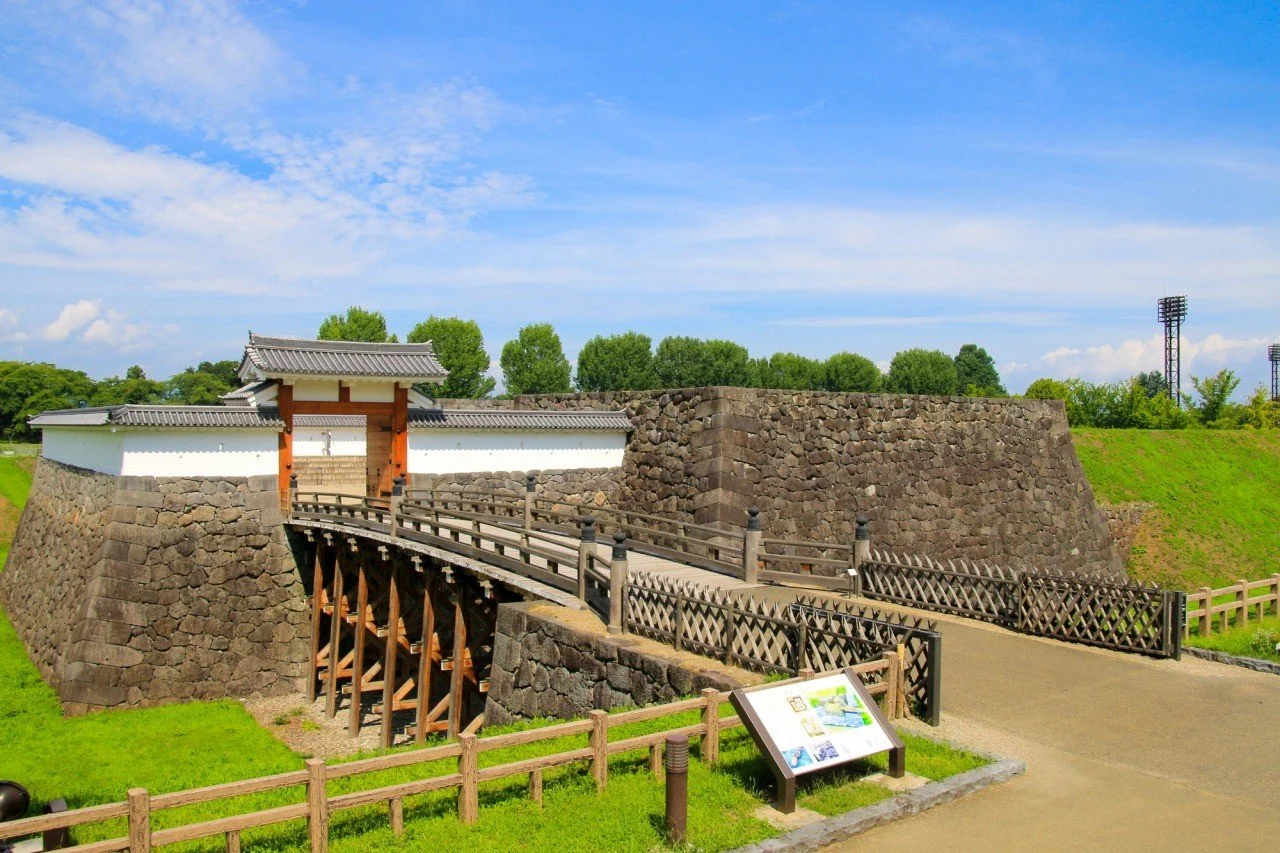
At the centre of Yamagata City, Kajo Park & Yamagata Castle Ruins offers a graceful blend of history, greenery, and everyday local life. The spacious park is defined by broad lawns, stone walls, and wide moats that hint at its past as a formidable fortress. Today, walking paths and open spaces make it a popular place for relaxation, while seasonal scenery—especially cherry blossoms in spring—adds to its charm.
Yamagata Castle was originally built in the mid-14th century and later expanded during the Sengoku and early Edo periods under the powerful Mogami clan. At its height, the castle served as a political and military stronghold for the region, protected by massive earthen ramparts and water-filled moats rather than towering stone keeps. After the Meiji Restoration, much of the castle was dismantled, and the grounds were gradually transformed into a public park, preserving the layout and key remnants of the original fortifications.
Today, Kajo Park stands as a living reminder of Yamagata’s feudal past while serving as a cultural and recreational hub. Visitors can explore reconstructed gates, sections of stone walls, and nearby museums that provide deeper insight into the castle’s history. Balancing quiet historical reflection with lively seasonal events, the park offers traveler’s a meaningful way to experience Yamagata’s heritage in the heart of the modern city.
Location Details
Operating Hours: 24 Hours
Admission:
Location: 1-7 Kajomachi, Yamagata, 990-0826, Japan
Yamagata Gokoku Shrine
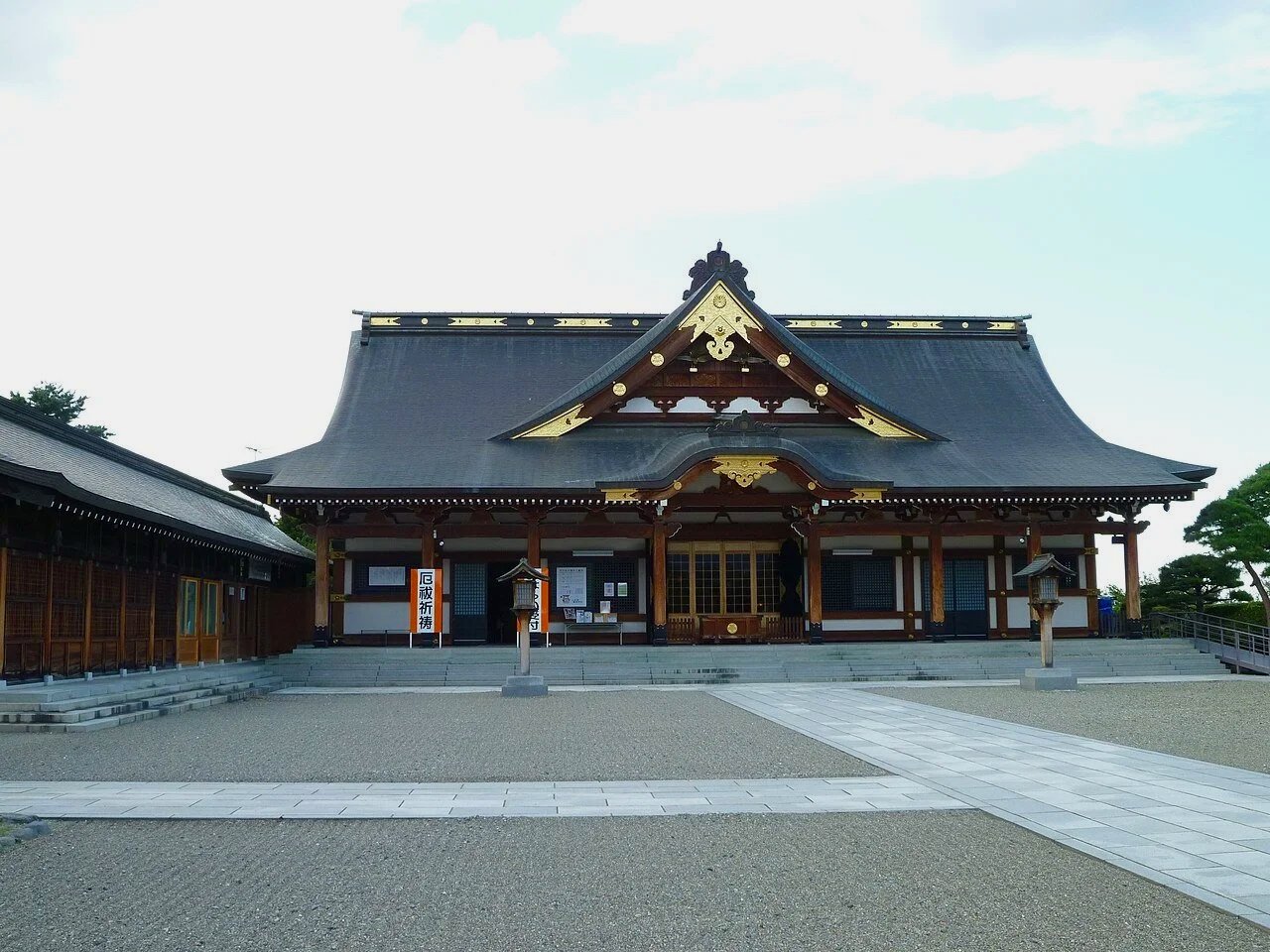
Located within the peaceful grounds of Kajo Park in Yamagata City, Yamagata Gokoku Shrine is a quiet and dignified place of remembrance. Surrounded by trees and open parkland, the shrine offers a calm contrast to the nearby city streets. Its simple yet solemn architecture reflects the respectful purpose of the site, inviting visitors to pause, reflect, and experience a more contemplative side of Yamagata.
Yamagata Gokoku Shrine was established to enshrine the spirits of local men and women who lost their lives in service to Japan, beginning with conflicts of the late 19th century. Like other Gokoku shrines across the country, it was founded during the Meiji era, a period marked by rapid modernisation and the formation of a modern nation-state. Over time, the shrine came to represent not only remembrance of the fallen, but also prayers for peace and the well-being of future generations.
Today, the shrine remains an important cultural and spiritual site for the local community. Visitors may witness seasonal ceremonies, quiet offerings, and moments of personal reflection, especially during memorial events. Set against the historical backdrop of Yamagata Castle ruins, Yamagata Gokoku Shrine offers traveler’s a meaningful opportunity to connect with the region’s modern history while experiencing the enduring traditions of Shinto worship.
Location Details
Operating Hours: 8:30am - 5:00pm
Admission: Free
Location: 2 Chome-8-75 Yakushimachi, Yamagata, 990-0053, Japan
Location Details
Operating Hours: 24 Hours
Admission: Free
Location: Otaki-11 Akiumachi Baba, Taihaku Ward, Sendai, Miyagi 982-0244, Japan
Discover more Sendai with our Patreon Community
Ready to explore more of Sendai with confidence? Join our Patreon community and unlock exclusive travel videos, travel guides and carefully crafted itineraries designed to help you discover more of Sendai, its amazing destinations, hidden gems, and unforgettable experiences. Interact with the Let’s Go Explore community to discuss and discover travel adventures. Whether you're planning your next adventure or just dreaming about it, we’ll help you travel smarter, easier, and with more excitement every step of the way.





Discover the Energy of Sendai – The Gateway to Japan’s Tohoku Region 🌳🇯🇵
Get ready to explore the vibrant city of Sendai, known for its tree-lined streets, rich samurai history, and delicious local cuisine. In this edition of the Lets Go Explore travel newsletter, we showcase the foods you can’t miss—from the city’s famous grilled beef tongue to fresh seafood and regional specialties loved by locals. We’ll also share practical tips on getting around the city using trains, subways, and buses, making it easy to navigate with confidence.
Inside, you’ll discover our Top 5 sightseeing ideas, a carefully planned 3-day itinerary, and seasonal travel inspiration to help you experience Sendai at its best—whether it’s spring cherry blossoms, summer festivals, colourful autumn foliage, or magical winter illuminations. Find out exactly why Sendai belongs on your travel list and how to make the most of every moment in this dynamic and welcoming city.
Savour the Flavours of Sendai – A Food Destination in the Heart of Tohoku 🥩🍢🇯🇵
Get ready to explore the delicious food scene of Sendai, a city famous for its bold flavours, fresh seafood, and unique regional specialties. In this Lets Go Explore food guide, we highlight the must-eat local dishes and show you exactly where to find them—from the city’s iconic grilled beef tongue to comforting local favourites enjoyed by residents and visitors alike. You’ll also discover the sweet treats you shouldn’t miss, along with popular local favourites that make Sendai a standout culinary destination.
Don’t forget the drinks—this guide features the best local beverages to try, from regional sake and craft beers to refreshing drinks that perfectly pair with Sendai’s signature dishes. Find out exactly why Sendai belongs on your food travel list and how to turn every meal into a memorable experience.
Where to Stay in Sendai – Comfort and Convenience in the City of Trees 🌳🏨🇯🇵
Find the perfect place to stay in Sendai, a vibrant city known for its leafy boulevards, great food scene, and easy access to coastal and mountain destinations. In this Lets Go Explore accommodation guide, we highlight the best areas to stay—whether you want to be near the main train station, shopping districts, nightlife, or peaceful neighbourhoods. You’ll discover the different types of accommodation the city has to offer, from luxury hotels and modern business stays to comfortable mid-range options and budget-friendly choices.
We also share helpful seasonal tips to help you choose the right location depending on the time of year, along with practical booking tips to secure the best value and availability. Discover exactly why Sendai is a great place to stay, with its excellent transport connections, welcoming atmosphere, and wide range of accommodation options for every traveler.
Getting Around Sendai – Smooth Travel in the Heart of Tohoku 🚇🚌🇯🇵
Get ready to explore Sendai with confidence using the city’s modern and efficient transportation system. In this Lets Go Explore transportation guide, we cover all the different types of transport the city has to offer—from subways and buses to regional trains and airport connections—so you’ll know exactly how to reach popular attractions, shopping districts, and nearby destinations with ease.
You’ll also learn how to pay for transportation using IC cards, day passes, and tickets, along with helpful tips to make getting around the city simple and stress-free. Discover exactly why Sendai is easy to explore, thanks to its well-organised transport network, clear signage, and convenient connections that make traveling around the city smooth and enjoyable.
Sendai Secrets: Explore the City of Trees and Gateway to Tohoku 🌳🏯🌊
Discover the energy and elegance of Sendai with a sightseeing guide designed to help you experience the largest city in Japan’s Tohoku region with ease. Inside, you’ll find must-visit spots and exactly where to find them, from historic landmarks and bustling shopping streets to scenic parks and cultural attractions. We also uncover local hidden gems and favourite neighbourhood spots where you can enjoy authentic cuisine and experience the city like a local. The guide highlights seasonal experiences—from spring cherry blossoms and vibrant summer festivals to colourful autumn foliage and sparkling winter illuminations—along with easy day trips from Sendai to nearby coastal towns, hot springs, and natural wonders. Whether you're drawn by history, food, or outdoor adventures, this guide shows why Sendai belongs on your travel list and helps you plan a memorable journey through one of northern Japan’s most dynamic destinations.