Saitama
Located just north of Tokyo, Saitama Prefecture offers traveler’s an appealing mix of urban convenience and quiet countryside. Well connected by rail yet far less crowded than the capital, Saitama is home to historic towns, riverside landscapes, and cultural sites that reward slower exploration. From traditional neighborhoods and festivals to modern shopping districts and green parks, the prefecture provides an easygoing introduction to everyday life in the Kanto region.
Historically, Saitama played an important role as a crossroads linking Edo (modern-day Tokyo) with northern Japan. During the Edo period, post towns such as Kawagoe prospered through trade and transport, leaving behind well-preserved warehouses and streetscapes. As Japan modernized in the Meiji era, the area gradually developed into a residential and industrial hub supporting Tokyo’s growth. Today, Saitama blends this layered history with contemporary living, offering visitors insight into both Japan’s past and its present beyond the capital.
Saitama City Museum
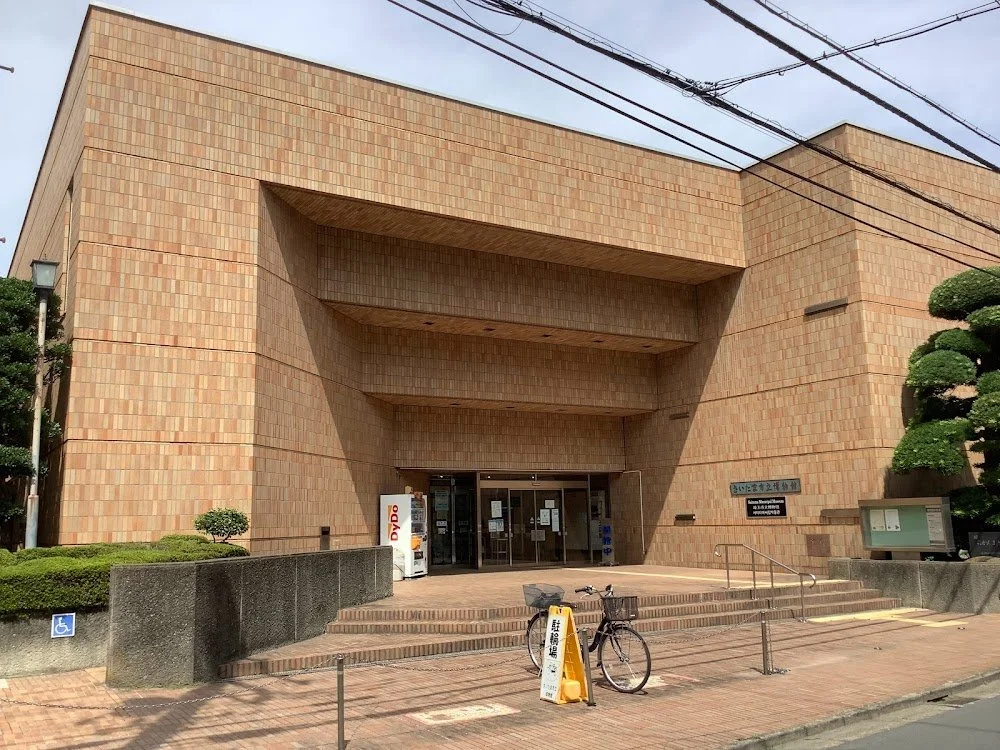
Located in a quiet cultural area of the city, Saitama City Museum offers visitors a thoughtful introduction to the history and everyday life of the Saitama region. The museum’s modern yet understated design creates a welcoming space for exploration, with galleries that focus on local culture, archaeology, and traditional crafts. It is an ideal stop for travelers looking to understand the area beyond its role as a neighbor to Tokyo.
The museum’s collections trace Saitama’s development from ancient times through the modern era. Exhibits highlight archaeological finds from the Jōmon and Kofun periods, when early communities settled along the region’s rivers and fertile plains. As Saitama became an important transport corridor during the Edo period, its towns and villages flourished through agriculture and trade—stories that are carefully preserved through historical artifacts, documents, and reconstructed displays.
Today, the Saitama City Museum serves as both an educational center and a cultural bridge between past and present. Rotating exhibitions, hands-on learning areas, and community programs make the museum engaging for visitors of all ages. By showcasing the traditions, livelihoods, and historical milestones of the region, the museum provides travelers with a deeper appreciation of Saitama’s unique identity and its enduring place in Japan’s story.
Location Details
Operating Hours: 24 Hours
Admission: Free
Location: 1-407 Takahana-cho, Omiya-ku, Saitama City
Hikawa Shrine Road
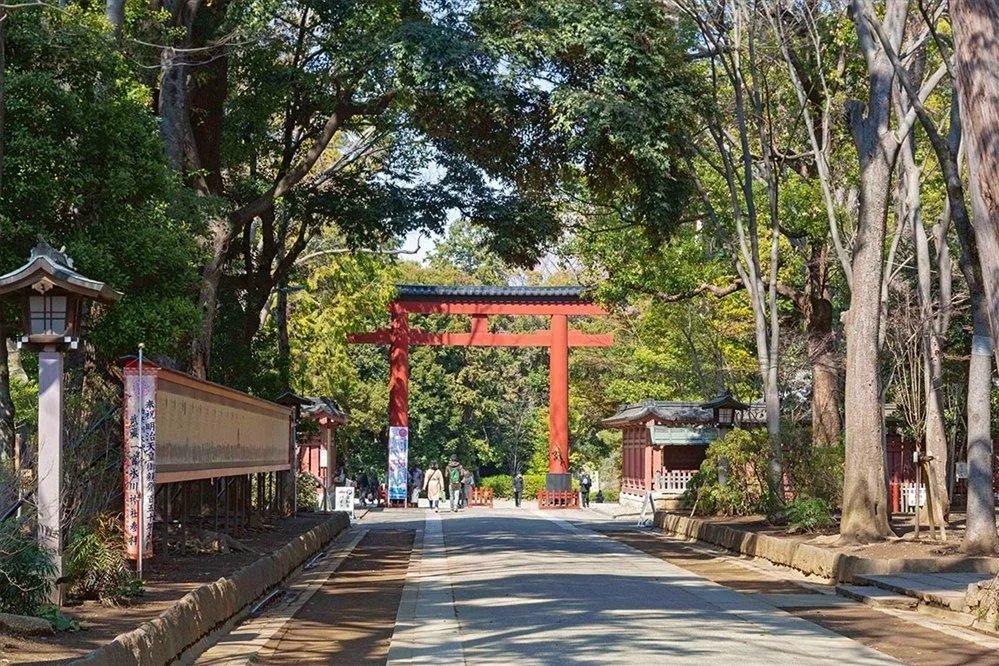
Stretching gracefully through Ōmiya in Saitama City, Hikawa Shrine Road, also known as Hikawa Sandō, is one of the longest and most atmospheric shrine approaches in Japan. Lined with towering zelkova trees and wide pedestrian paths, the road creates a calm, ceremonial transition from the modern city to sacred space. Walking along the avenue offers visitors a sense of quiet anticipation, as urban sounds slowly fade into birdsong and rustling leaves.
The road has served as the formal approach to Hikawa Shrine for centuries, with origins dating back over a thousand years. During the Edo period, it became an important spiritual and social corridor, used by pilgrims traveling from Edo (modern-day Tokyo) to pray at the shrine for protection, prosperity, and safe journeys. The tree-lined design was carefully maintained to reflect Shinto ideals of harmony between nature and worship, reinforcing the road’s role as both a physical and symbolic passage.
Today, Hikawa Shrine Road remains a beloved landmark and cultural space within Saitama City. Locals use it for daily walks and seasonal events, while visitors experience it as a living link between past and present. Whether viewed under fresh spring greenery or autumn foliage, the road offers traveler’s a rare chance to experience how history, spirituality, and everyday life continue to intersect in modern Japan.
Location Details
Operating Hours: 9:00am - 4:30pm
Closed Mondays
Admission: Free
Location: 2 Chome-1-2 Takahanacho, Omiya Ward, Saitama, 330-0803, Japan
Musashi Ichinomiya Hikawa Jinja
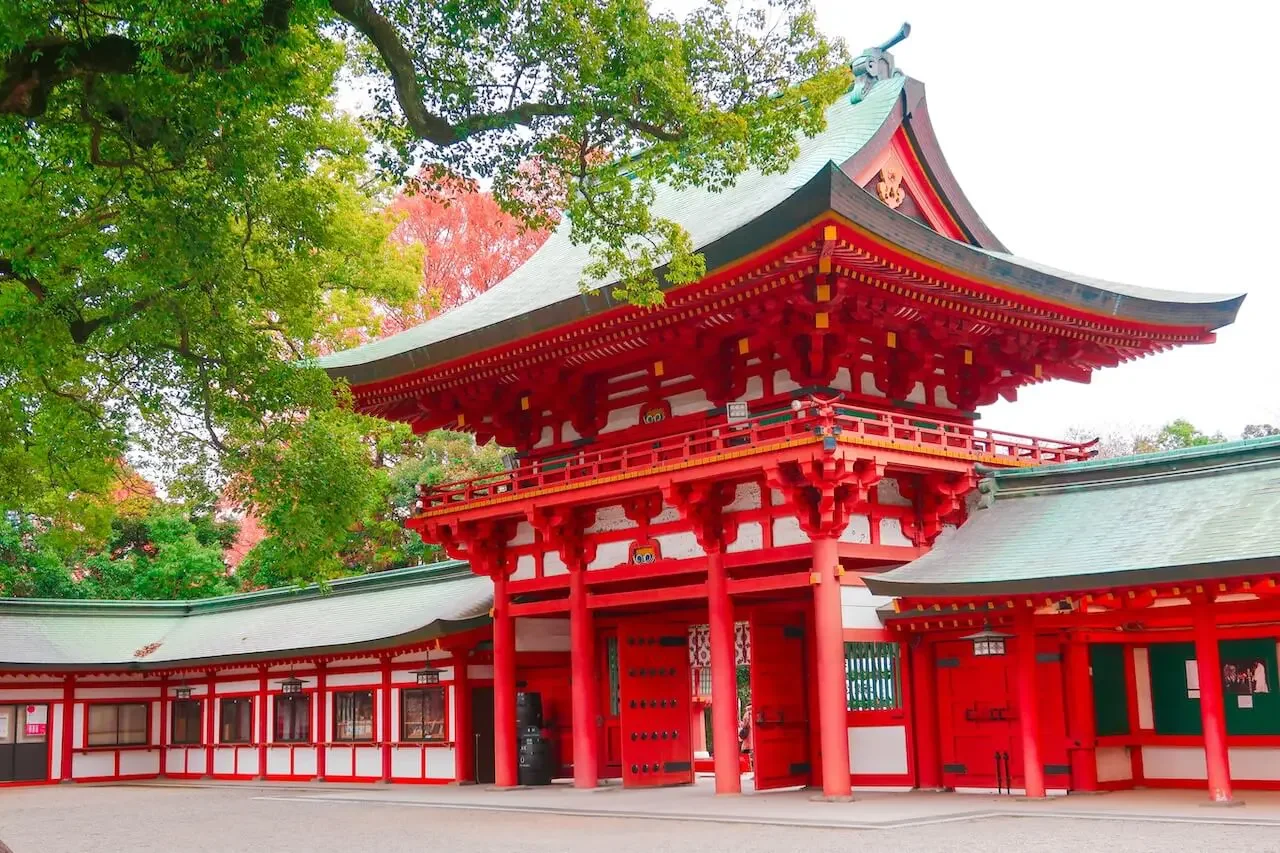
Located in Ōmiya, Saitama City, Musashi Ichinomiya Hikawa Jinja is one of the oldest and most revered Shinto shrines in the Kanto region. Surrounded by a vast forested precinct, the shrine offers a rare sense of calm within the metropolitan area. Visitors pass through expansive grounds and towering torii gates, experiencing a gradual transition from the modern city into a deeply spiritual landscape shaped by centuries of worship.
The shrine’s history is believed to date back more than 2,000 years, making it the principal shrine (ichinomiya) of the former Musashi Province. Dedicated to deities associated with prosperity, harmony, and protection, Hikawa Jinja has long attracted worshippers ranging from local farmers to powerful samurai families. During the Edo period, the shrine was especially popular among people traveling from Edo, who came to pray for good fortune, safe journeys, and success, reinforcing its role as a major spiritual center of the region.
Today, Musashi Ichinomiya Hikawa Jinja remains an active place of worship and an important cultural landmark. Seasonal festivals, traditional ceremonies, and everyday visits by locals keep the shrine closely tied to community life. For traveler’s, it offers not only a glimpse into ancient Shinto traditions, but also a living connection to the history of Musashi Province and the enduring spiritual heart of Saitama.
Omiya Park
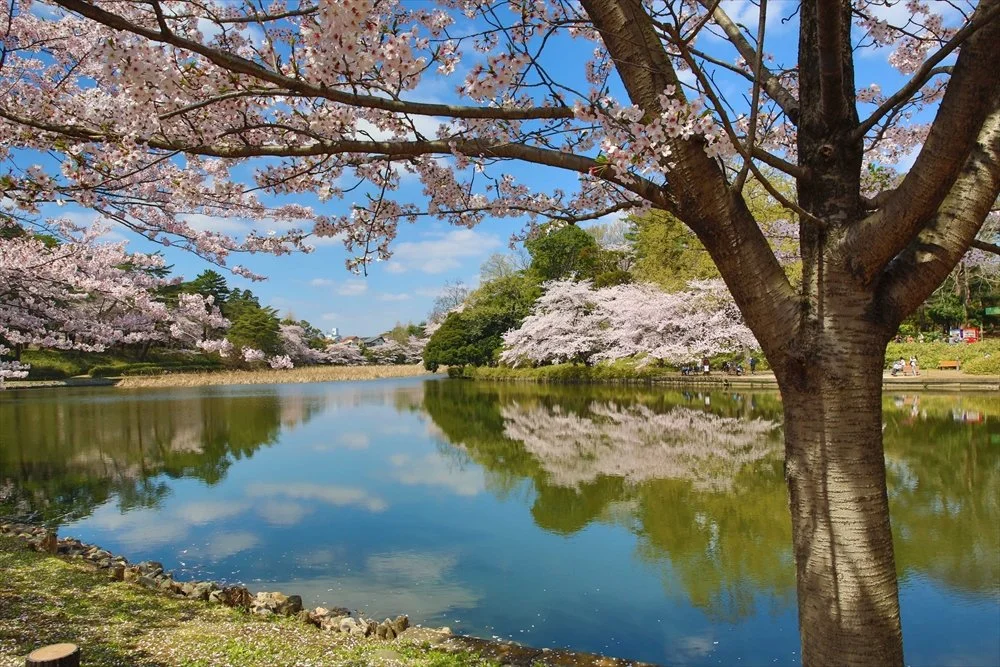
Located beside one of Saitama’s most important shrines, Omiya Park is a spacious and much-loved green retreat in the heart of Ōmiya. Wide lawns, tranquil ponds, and shaded walking paths make it a popular place for relaxation throughout the year. The park is especially famous for its seasonal scenery, offering a peaceful escape where visitors can slow down and enjoy nature just steps from the city.
Omiya Park was established in 1885 during the early Meiji period, as Japan began creating public parks modeled on Western concepts of shared green spaces. The area had long been associated with Musashi Ichinomiya Hikawa Jinja, serving as a sacred forest and gathering place for worshippers over centuries. As modern Saitama developed, the land was preserved as a public park, reflecting both its spiritual heritage and its role in the modernization of urban life.
Today, Omiya Park remains one of the region’s most popular destinations, particularly during cherry blossom season when thousands of trees bloom each spring. Locals gather for picnics, festivals, and leisurely strolls, while visitors enjoy the blend of natural beauty and historical atmosphere. With its deep roots in tradition and its continuing role as a community hub, Omiya Park offers traveler’s a welcoming glimpse into everyday life and history in Saitama.
Omiya Park Zoo
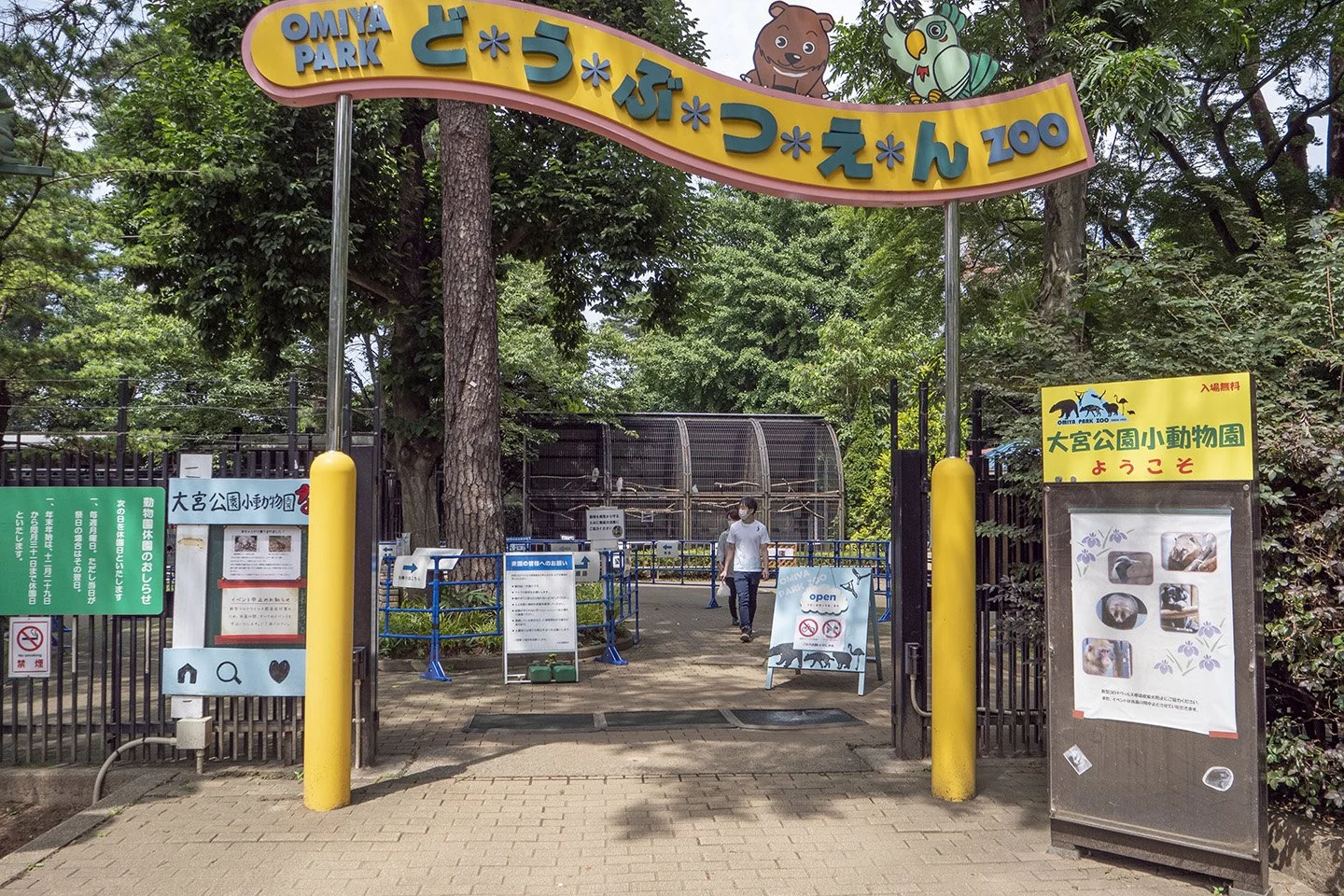
Located within the leafy grounds of Ōmiya Park, Omiya Park Zoo is a small, family-friendly zoo that has been delighting visitors for generations. Its compact layout and relaxed atmosphere make it especially popular with families and casual travelers, offering close-up encounters with animals in a setting that feels approachable and calm. Surrounded by greenery, the zoo blends naturally into the park environment, creating a pleasant stop during a day of sightseeing.
Omiya Park Zoo traces its origins back to the early 20th century, when it was established as part of broader efforts to create public recreational and educational spaces during Japan’s modernisation. As Ōmiya Park developed into a major civic park in the Meiji era, the zoo was added to provide local residents with opportunities to learn about wildlife and nature. Over time, it grew into an important community institution, reflecting changing attitudes toward education, leisure, and animal care.
Today, Omiya Park Zoo continues to serve as a beloved local attraction with free admission, making it accessible to visitors of all ages. While modest in scale, it emphasizes education, conservation awareness, and enjoyment in a relaxed setting. For traveler’s, the zoo offers a glimpse into everyday life in Saitama, combining nostalgia, community spirit, and a long history rooted in Japan’s tradition of public parks and shared cultural spaces.
Omiya Bonsai Art Museum
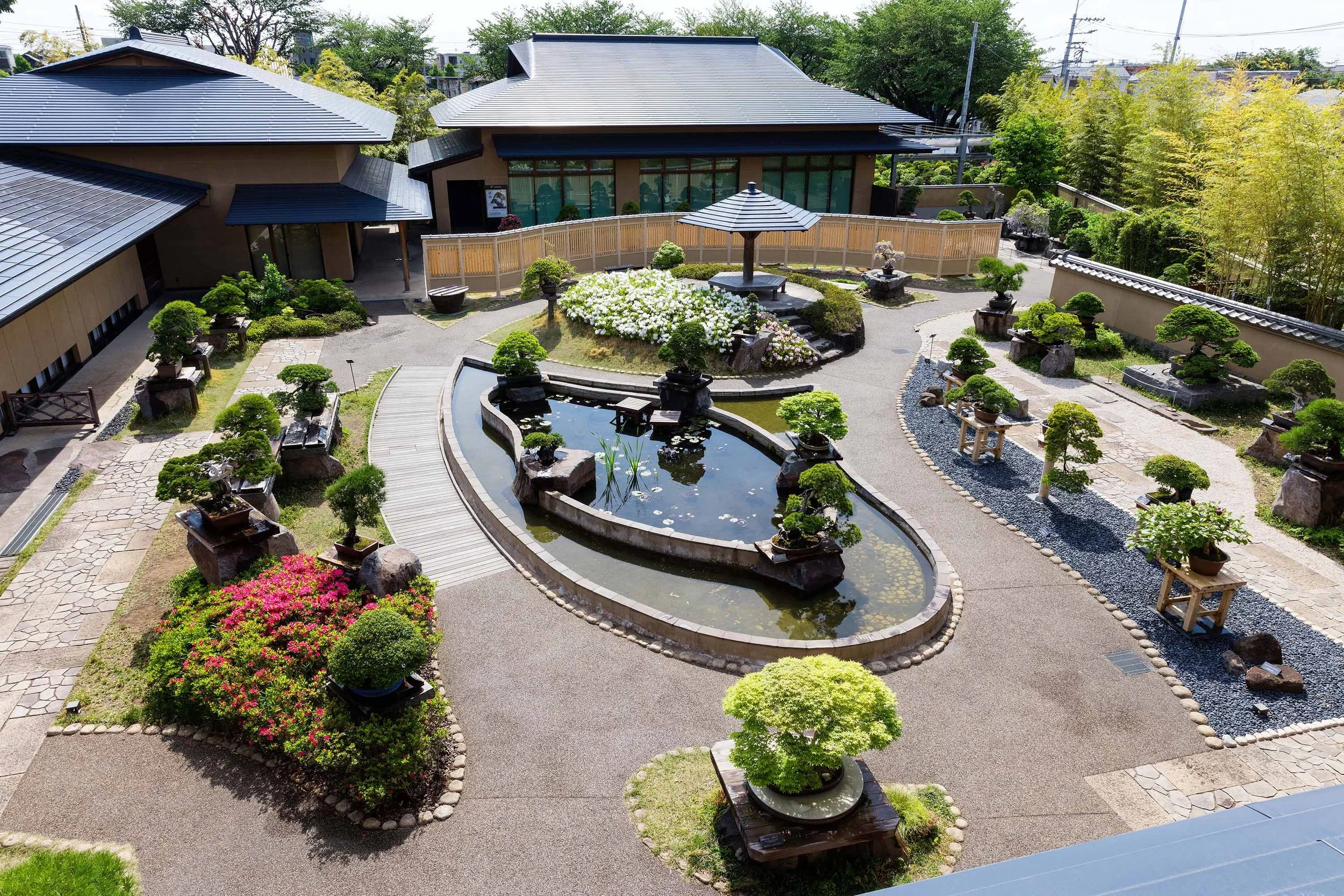
Located in Saitama City’s famous Bonsai Village, Omiya Bonsai Art Museum is a unique cultural institution dedicated to the refined art of bonsai. The museum combines modern exhibition spaces with a beautifully landscaped outdoor garden, where carefully cultivated trees are displayed as living works of art. Visitors can admire the balance, scale, and patience embodied in each piece, gaining a deeper appreciation for a tradition that blends horticulture, aesthetics, and philosophy.
The museum stands in an area with a long and meaningful bonsai heritage. Omiya Bonsai Village was established in the early 20th century, when master bonsai growers relocated from Tokyo after the Great Kantō Earthquake of 1923 in search of cleaner air and open land. Over time, the village became one of Japan’s most important centers for bonsai cultivation, preserving techniques passed down through generations and shaping the region’s cultural identity.
Opened in 2010, the Omiya Bonsai Art Museum was created to share this heritage with a wider audience. Today, it showcases both historical masterpieces and contemporary works, while offering educational programs and seasonal exhibitions. For traveler’s, the museum provides an intimate look at one of Japan’s most distinctive art forms and a meaningful connection to the history and craftsmanship that continue to define Omiya’s Bonsai Village.
Location Details
Operating Hours: 6:00am - 5:00p
Admission: Free
Location: Japan, 330-0803 Saitama, Omiya Ward, Takahanacho, 1−407
Location Details
Operating Hours: 24 Hours
Admission: Free
Location: 4 Chome Takahanacho, Omiya Ward, Saitama, 330-0803, Japan
Location Details
Operating Hours: 10:00am - 4:00pm
Closed Mondays
Admission: Free
Location: 4 Chome Takahanacho, Omiya Ward, Saitama, 330-0803, Japan
Location Details
Operating Hours: 9:00am - 4:00pm
Closed Thursday
Admission: Adults ¥310 Children ¥100
Location: Japan, 〒331-0804 Saitama, Kita Ward, Torocho, 2 Chome−24−3
Discover more Saitama with our Patreon Community
Ready to explore more of Saitama with confidence? Join our Patreon community and unlock exclusive travel videos, travel guides and carefully crafted itineraries designed to help you discover more of Saitama, its amazing destinations, hidden gems, and unforgettable experiences. Interact with the Let’s Go Explore community to discuss and discover travel adventures. Whether you're planning your next adventure or just dreaming about it, we’ll help you travel smarter, easier, and with more excitement every step of the way.





Discover the Convenience and Culture of Saitama – Tokyo’s Neighbour with Hidden Gems 🌸🇯🇵
Step beyond the bright lights of Tokyo and discover Saitama, a city that blends modern convenience with traditional charm. In this edition of the Lets Go Explore travel newsletter, we highlight the foods you can’t miss—from comforting local ramen and street food to regional specialties enjoyed by locals. We’ll also guide you through the easiest ways to get around the city using trains, buses, and nearby rail connections, making day trips and exploration simple.
Inside, you’ll find our Top 5 sightseeing ideas, a carefully planned 3-day itinerary, and seasonal travel inspiration to help you experience Saitama year-round—whether it’s spring festivals, summer events, colourful autumn scenery, or winter illuminations. Discover exactly why Saitama belongs on your travel list and how to make the most of your visit to this accessible and often-overlooked destination.
Discover the Tastes of Saitama – Local Favourites Just Beyond Tokyo 🍜🥟🇯🇵
Get ready to explore the growing food scene of Saitama, a destination known for its comforting local dishes, casual street food, and hidden culinary gems just outside Tokyo. In this Lets Go Explore food guide, we highlight the must-eat local dishes and show you exactly where to find them—from hearty ramen shops and traditional favourites to popular local specialties loved by residents. You’ll also discover the sweet treats you shouldn’t miss, along with well-loved local favourites that make Saitama a rewarding place for food lovers.
Don’t forget the drinks—this guide features the best local beverages to try, from regional craft beers and sake to refreshing drinks that pair perfectly with Saitama’s diverse cuisine. Discover exactly why Saitama belongs on your food travel list and how to make every meal part of your next adventure.
Where to Stay in Saitama – Comfortable Stays Just Outside Tokyo 🏨🚆🇯🇵
Discover the best places to stay in Saitama, a convenient and welcoming destination known for its easy access to Tokyo and relaxed local atmosphere. In this Lets Go Explore accommodation guide, we highlight the best areas to stay—whether you want to be close to major train stations, shopping centres, event venues, or quieter neighbourhoods. You’ll explore the different types of accommodation the city has to offer, from modern hotels and serviced apartments to comfortable mid-range stays and budget-friendly options.
We also share helpful seasonal tips to help you choose the right location depending on the time of year, along with practical booking tips to secure the best deals and availability. Discover exactly why Saitama is a great place to stay, with its excellent transport links, great value accommodation, and convenient location for exploring the wider region.
Getting Around Saitama – Fast, Convenient, and Well Connected 🚆🚌🇯🇵
Explore Saitama with ease using its efficient transportation network and excellent connections to nearby cities. In this Lets Go Explore transportation guide, we cover all the different types of transport the city has to offer—from local trains and buses to rapid rail lines linking Saitama to Tokyo and surrounding regions—so you’ll know exactly how to get where you need to go quickly and confidently.
You’ll also learn how to pay for transportation using IC cards, tickets, and travel passes, along with practical tips to help you navigate stations and plan your journeys smoothly. Discover exactly why Saitama is easy to explore, with its reliable public transport, clear routes, and convenient access to major attractions across the region.
Saitama Surprises: Discover Tokyo’s Laid-Back Neighbour with Big Experiences 🚆🌸🏯
Explore the charm and convenience of Saitama with a sightseeing guide designed to help you uncover one of Japan’s most accessible and underrated destinations just beyond Tokyo. Inside, you’ll find must-visit spots and exactly where to find them, from historic districts and scenic parks to family-friendly attractions and cultural landmarks. We also highlight local hidden gems and favourite neighbourhood spots where you can experience authentic local life away from the crowds. The guide showcases seasonal highlights—from spring cherry blossoms and lively summer festivals to autumn colours and winter illuminations—along with easy day trips from Saitama to nearby mountains, traditional towns, and major attractions in the greater Tokyo area. Whether you're looking for history, relaxation, or convenient adventures, this guide explains why Saitama belongs on your travel list and helps you make the most of your visit.