Mount Fuji
The Mount Fuji region is one of Japan’s most iconic travel destinations, centered around the country’s highest and most sacred mountain. Spanning Shizuoka and Yamanashi prefectures, the area is defined by dramatic volcanic landscapes, clear spring-fed lakes, waterfalls, forests, and traditional towns that all draw their character from the presence of Mount Fuji. Whether viewed from the shores of the Fuji Five Lakes, rural villages, or shrine grounds, Mount Fuji shapes the scenery and atmosphere, offering visitors a powerful blend of natural beauty and cultural depth.
Historically, the Mount Fuji region has been a center of spiritual worship for more than a thousand years. The mountain was revered in Shinto as a sacred dwelling of the gods and later became an important site for Buddhist ascetic training and pilgrimage, especially during the Edo period when Fuji pilgrimages became widespread among common people. Surrounding shrines, temples, and purification sites developed to support these journeys, many of which remain today. This long history of reverence, combined with timeless scenery, makes the Mount Fuji region not just a place to visit, but a landscape deeply woven into Japan’s spiritual and cultural identity.
Kai Ichinomiya Asama Shrine
Kai Ichinomiya Asama Shrine is one of the most historically significant shrines in the Mount Fuji region, located in Fuefuki City, Yamanashi Prefecture. Set amid quiet countryside and framed by distant views of Mount Fuji, the shrine offers a peaceful and dignified atmosphere. As the ichinomiya, or highest-ranking shrine, of the former Kai Province, it has long been regarded as a central place of worship for the region.
The shrine’s origins date back over 1,200 years to the early Heian period, when it was established to enshrine Konohanasakuya-hime, the Shinto goddess associated with Mount Fuji, volcanoes, and safe childbirth. Like other Asama shrines, Kai Ichinomiya played a vital role in appeasing Mount Fuji’s volcanic activity and protecting local communities. It received patronage from the imperial court and later from powerful samurai clans, including the Takeda family, who ruled Kai Province during the Sengoku period.
Today, Kai Ichinomiya Asama Shrine remains an important spiritual and cultural landmark. Visitors can stroll through its grounds, admire the traditional shrine architecture, and experience seasonal festivals that reflect centuries-old rituals. Blending deep historical roots with a tranquil rural setting, the shrine offers traveler’s a meaningful connection to Mount Fuji worship and the enduring traditions of Yamanashi Prefecture.
Location Details
Operating Hours: 9:00am - 4:30pm
Admission: Adults ¥500 Children ¥300
Location: 3559 Katsunumacho Katsunuma, Koshu, Yamanashi 409-1316, Japan
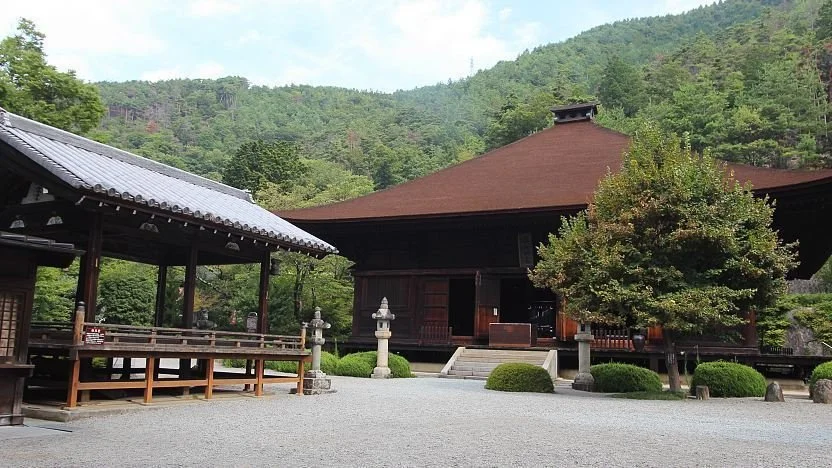
Daizenji
Daizenji is a unique and historic Buddhist temple located in the hills of Kōshū City, Yamanashi Prefecture. Often referred to as the “Grape Temple,” Daizenji is surrounded by vineyards and orchards, reflecting the region’s long association with winemaking and agriculture. The quiet mountain setting and rustic atmosphere give the temple a welcoming, almost pastoral charm that sets it apart from more urban religious sites.
Daizenji was founded in the early 8th century during the Nara period and is traditionally associated with Gyōki, a prominent Buddhist monk known for spreading Buddhism among the common people. The temple is especially famous for its image of Yakushi Nyorai, the Buddha of healing, depicted holding a bunch of grapes—an unusual and locally inspired symbol believed to represent medicinal benefits. Over the centuries, Daizenji became closely linked to grape cultivation in the region, earning its reputation as one of Japan’s earliest spiritual centers connected to viticulture.
Today, Daizenji remains a meaningful stop for traveler’s exploring Yamanashi’s cultural and rural heritage. Visitors can explore the temple halls, enjoy views over nearby vineyards, and learn about the deep historical ties between Buddhism, medicine, and local agriculture. Blending spiritual tradition with regional identity, Daizenji offers a distinctive glimpse into how faith and daily life have long been intertwined in the Mount Fuji area.
Location Details
Operating Hours: 24 Hours
Admission: Free
Location: 1684 Ichinomiyacho Ichinomiya, Fuefuki, Yamanashi 405-0056, Japan
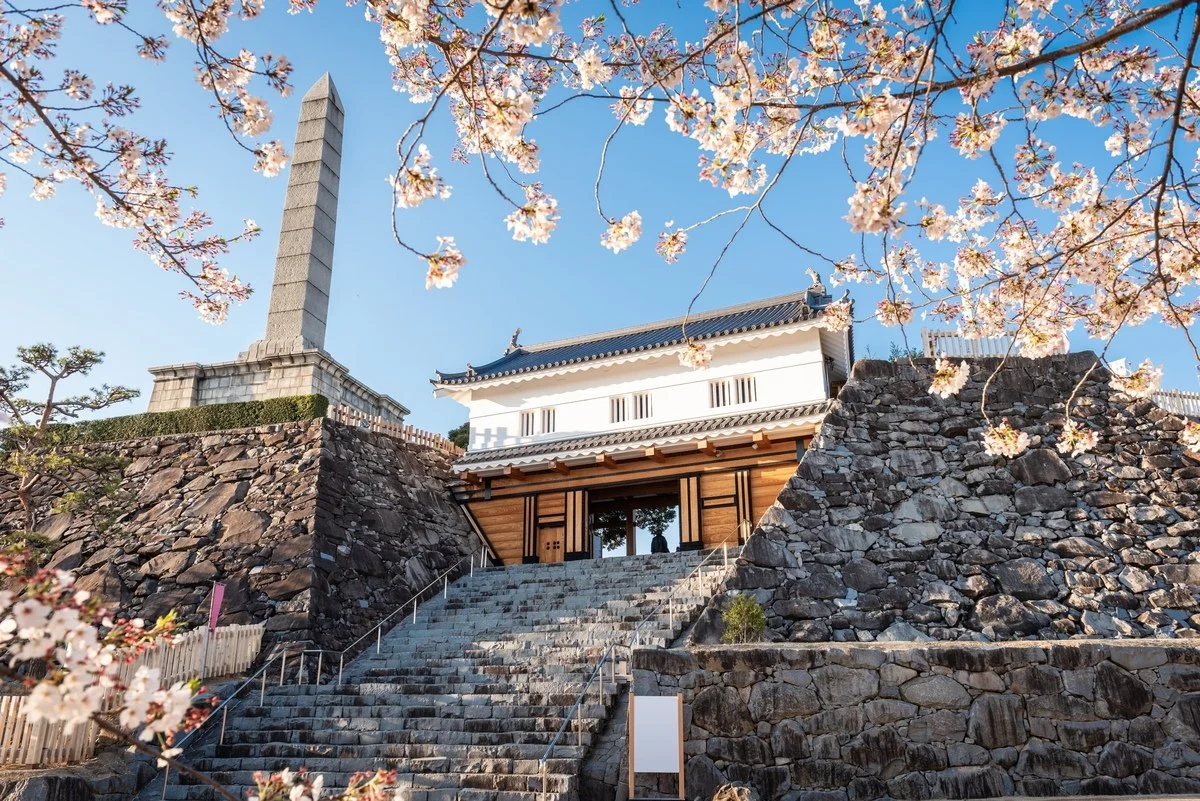
Kofu Castle Ruins
Kofu Castle Ruins, also known as Maizuru Castle Park, sit in the heart of Kōfu City and offer a striking glimpse into Japan’s feudal past. Although no main keep remains, the massive stone walls, gates, and elevated grounds still convey the power and strategic importance of the site. From the top of the ruins, visitors are rewarded with sweeping views of the city and the surrounding mountains, blending history with modern urban scenery.
Kofu Castle was constructed in the late 16th century following the downfall of the Takeda clan, once rulers of Kai Province. Built under the authority of Toyotomi Hideyoshi, the castle became a key administrative and military center controlling access to central Japan. During the early Edo period, it served as the seat of Tokugawa-appointed governors, symbolizing the shogunate’s authority in the region. Despite never being the site of major battles, the castle played an important role in maintaining political stability.
Today, Kofu Castle Ruins are preserved as a public park and historical site, where visitors can walk along reconstructed gates, stone ramparts, and seasonal gardens. Cherry blossoms in spring and colorful foliage in autumn make it a popular local retreat, while interpretive signs help bring the castle’s history to life. Combining scenic views with deep historical roots, the Kofu Castle Ruins offer traveler’s a rewarding stop to explore the legacy of samurai-era Japan in Yamanashi Prefecture.
Location Details
Operating Hours: 24 Hours
Admission: Free
Location: 1 Chome-5-4 Marunouchi, Kofu, Yamanashi 400-0031, Japan
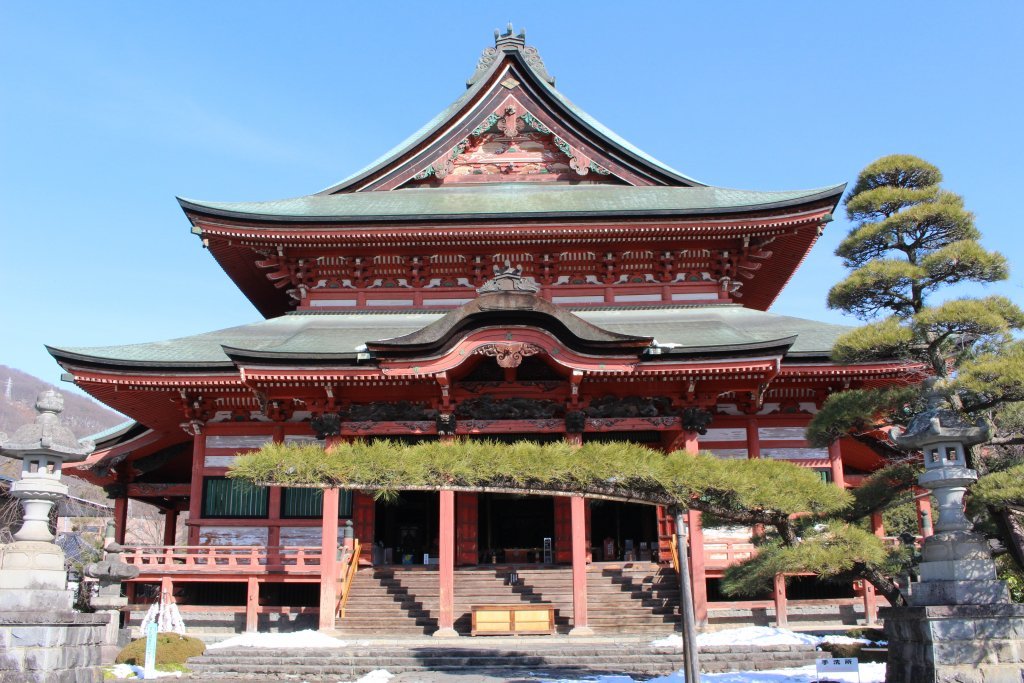
Kai Zenkōji Temple
Kai Zenkōji Temple is a historic Buddhist temple located in Kōfu City, Yamanashi Prefecture, offering a quieter yet deeply meaningful alternative to its more famous counterpart in Nagano. The temple grounds feature impressive wooden halls, a striking Niōmon gate guarded by fierce guardian statues, and a calm atmosphere that invites reflection. Set against a backdrop of mountains, Kai Zenkōji blends spiritual tradition with the natural beauty of the Kai region.
The temple was founded in 1558 by Takeda Shingen, one of Japan’s most powerful samurai warlords. Concerned about protecting sacred treasures during a time of warfare, Shingen relocated important Buddhist images from Zenkōji in Nagano to Kai Province for safekeeping. Among these was a revered statue of Amida Buddha, making Kai Zenkōji an important spiritual center during the turbulent Sengoku period and closely tying its history to the rise of the Takeda clan.
Today, Kai Zenkōji Temple remains an active place of worship and a site of cultural interest. Visitors can explore the main hall, admire traditional architecture, and walk through a pitch-dark underground passage said to symbolize rebirth and enlightenment. With its strong historical ties, spiritual depth, and peaceful setting, Kai Zenkōji offers traveler’s a meaningful glimpse into samurai-era Japan and the enduring role of Buddhism in regional life.
Location Details
Operating Hours: 24 Hours
Admission: Free
Location: 2611 Kofuchumachi, Kofu, Yamanashi 400-0014, Japan
Lake Kawaguchi
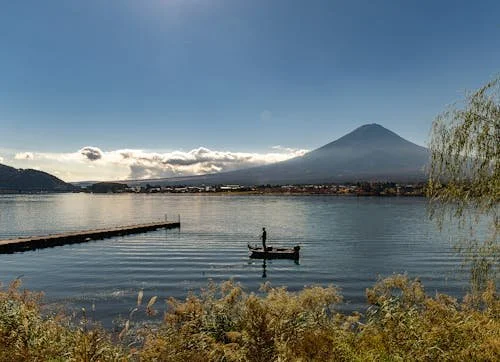
Lake Kawaguchi is one of the most popular and scenic destinations in the Mount Fuji region, offering some of the mountain’s most iconic views. Located on Mount Fuji’s northern side, the lake is easily accessible and surrounded by museums, walking paths, hot springs, and cafés that make it an ideal base for travelers. Calm waters often reflect Mount Fuji’s symmetrical peak, creating postcard-perfect scenery that changes beautifully with the seasons.
Historically, Lake Kawaguchi formed thousands of years ago through volcanic activity associated with Mount Fuji. The surrounding area developed as part of ancient travel routes and later became closely tied to Fuji worship. During the Edo period, pilgrims traveling to climb Mount Fuji often passed through nearby villages, where inns and rest stops supported the growing number of visitors. The lake and its surroundings were admired for their spiritual atmosphere and were frequently depicted in art and literature celebrating Mount Fuji.
Today, Lake Kawaguchi blends natural beauty with cultural attractions and modern comforts. Visitors can enjoy lakeside strolls, boat rides, ropeway views from Mount Tenjō, and seasonal highlights such as cherry blossoms in spring and vibrant foliage in autumn. As part of the Fuji Five Lakes, Lake Kawaguchi offers a timeless setting where history, nature, and everyday life come together under the enduring presence of Japan’s most sacred mountain.
Location Details
Operating Hours: 9:00am - 4:30pm
Admission: Free
Location: 3 Chome-36-1 Zenkoji, Kofu, Yamanashi 400-0806, Japan
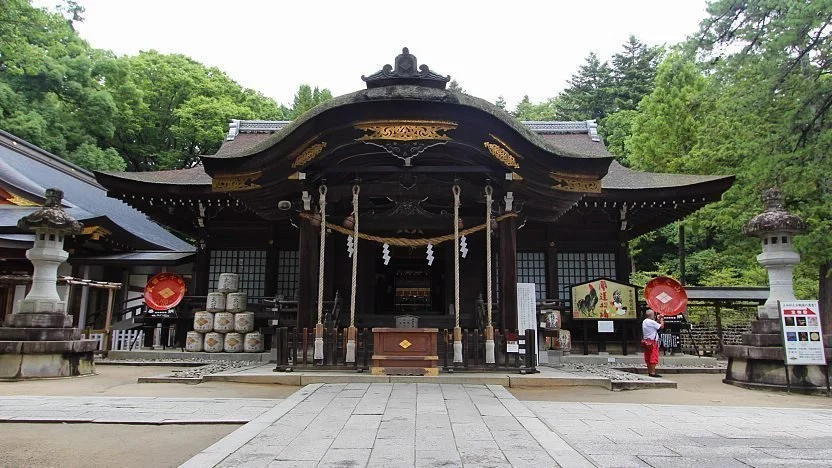
Takeda Shrine
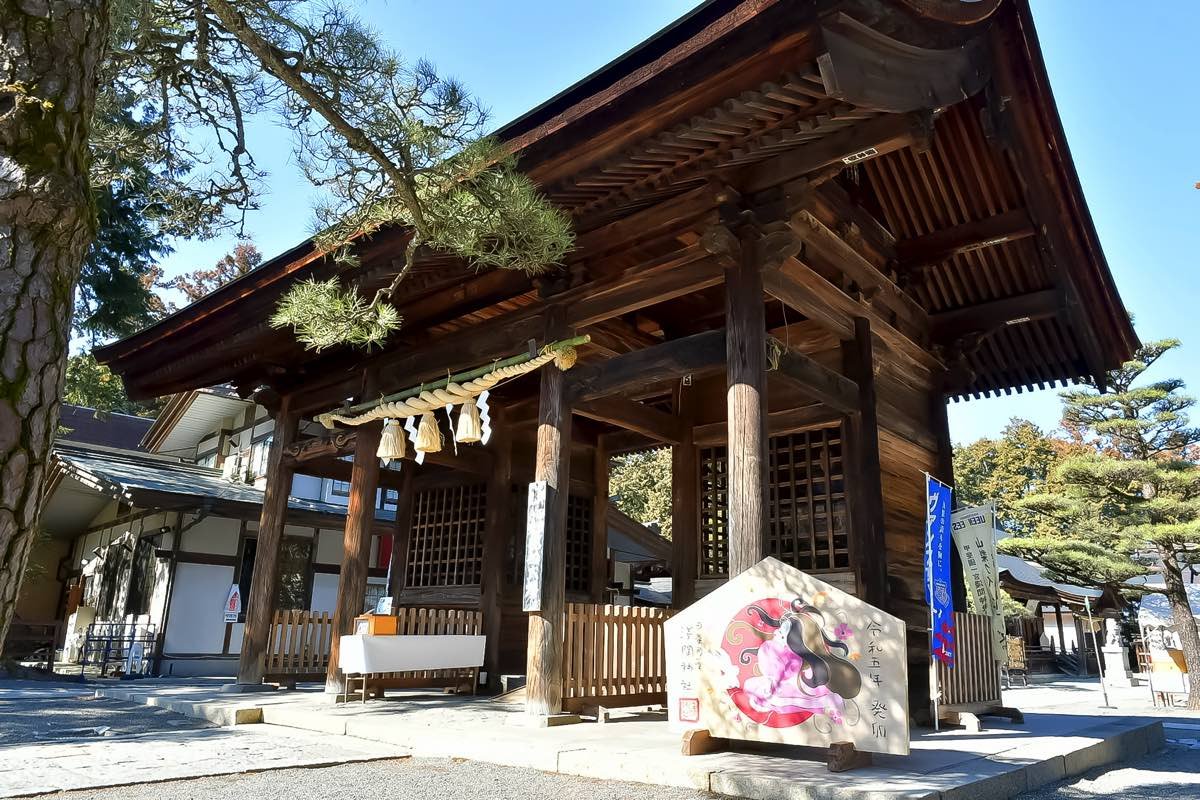
Takeda Shrine is a historic Shinto shrine located in Kōfu City, Yamanashi Prefecture, dedicated to one of Japan’s most celebrated samurai leaders, Takeda Shingen. Set within peaceful grounds once occupied by a powerful castle complex, the shrine is surrounded by trees, stone pathways, and remnants of earthen walls and moats. The calm atmosphere contrasts with the site’s martial past, offering visitors a reflective and dignified experience.
The shrine stands on the former site of Tsutsujigasaki-yakata, the residence and military headquarters of Takeda Shingen during the Sengoku period in the 16th century. Shingen ruled Kai Province with strategic brilliance and was renowned for his leadership, military reforms, and governance. After the fall of the Takeda clan, the site gradually lost its political role, and in 1919 it was established as a Shinto shrine to honor Shingen’s legacy as a model of loyalty, wisdom, and strength.
Today, Takeda Shrine is both a cultural landmark and a place of local devotion. Visitors can explore the shrine grounds, learn about Shingen’s life through nearby monuments and displays, and enjoy seasonal scenery such as cherry blossoms in spring and colorful foliage in autumn. Blending samurai history with spiritual reverence, Takeda Shrine offers traveler’s a meaningful connection to Japan’s feudal past and the enduring influence of one of its greatest warlords.
Location Details
Operating Hours: 24 Hours
Admission: Free
Location: 3170 Kawaguchi, Fujikawaguchiko, Minamitsuru District, Yamanashi 401-0304, Japan
Discover more Mount Fuji with our Patreon Community
Ready to explore more of Mount Fuji with confidence? Join our Patreon community and unlock exclusive travel videos, travel guides and carefully crafted itineraries designed to help you discover more of Mount Fuji, its amazing destinations, hidden gems, and unforgettable experiences. Interact with the Let’s Go Explore community to discuss and discover travel adventures. Whether you're planning your next adventure or just dreaming about it, we’ll help you travel smarter, easier, and with more excitement every step of the way.





Experience the Icon of Japan – Discover the Beauty of Mount Fuji 🗻🇯🇵
Get ready to explore the breathtaking region surrounding Mount Fuji, Japan’s most famous and awe-inspiring landmark. In this edition of the Lets Go Explore travel newsletter, we highlight the foods you can’t miss—from local specialties around the Fuji Five Lakes to comforting regional dishes perfect after a day of sightseeing. We’ll also guide you through the best ways to get around the area using trains, buses, and scenic routes so you can explore with ease.
Inside, you’ll find our Top 5 sightseeing ideas, a carefully planned 3-day itinerary, and seasonal travel inspiration to help you experience Mount Fuji at its best—whether it’s cherry blossoms framing the mountain in spring, hiking season in summer, colourful autumn leaves, or snow-capped winter views. Discover exactly why Mount Fuji belongs on your travel list and how to make the most of your visit to one of Japan’s most unforgettable destinations.
Taste the Flavours Around Mount Fuji – Scenic Views and Delicious Local Cuisine 🗻🍜🇯🇵
Get ready to discover the unique food experiences surrounding Mount Fuji, where regional specialties and comforting local dishes are served alongside some of Japan’s most iconic scenery. In this Lets Go Explore food guide, we highlight the must-eat local dishes and show you exactly where to find them—from hearty noodle dishes and lakeside favourites to traditional meals enjoyed in towns around the Fuji Five Lakes. You’ll also discover the sweet treats you shouldn’t miss, along with popular local favourites that make dining in this region part of the adventure.
Don’t forget the drinks—this guide features the best local beverages to try, from fresh spring water and regional sake to refreshing drinks that perfectly complement the flavours of the Mount Fuji area. Discover exactly why Mount Fuji belongs on your food travel list and how to make every meal as memorable as the views.
Where to Stay Near Mount Fuji – Scenic Views and Memorable Stays 🗻🏨🇯🇵
Discover the best places to stay around Mount Fuji, one of Japan’s most iconic destinations known for its breathtaking scenery and peaceful surroundings. In this Lets Go Explore accommodation guide, we highlight the best areas to stay—whether you want lakeside views, easy access to hiking trails, or convenient transport connections to nearby towns. You’ll explore the different types of accommodation the region has to offer, from luxury resorts and traditional inns to comfortable mid-range hotels and budget-friendly options.
We also share helpful seasonal tips to help you choose the right location depending on the time of year, along with practical booking tips to secure the best views and availability. Discover exactly why Mount Fuji is a great place to stay, with its unforgettable landscapes, relaxing atmosphere, and variety of accommodation options that make it a unique and rewarding destination.
Getting Around Mount Fuji – Scenic Routes Made Simple 🗻🚌🇯🇵
Explore the breathtaking region around Mount Fuji with confidence using the area’s well-organised transportation options. In this Lets Go Explore transportation guide, we cover all the different types of transport available—from trains and highway buses to local sightseeing buses, taxis, and rental options—so you’ll know exactly how to reach the Fuji Five Lakes, viewing spots, and nearby towns with ease.
You’ll also learn how to pay for transportation using IC cards, tickets, and regional passes, along with practical tips to help you plan your journeys and make the most of your time in the area. Discover exactly why Mount Fuji is easier to explore than you might expect, thanks to clear routes, reliable services, and convenient connections that bring Japan’s most iconic landmark within easy reach.
Saitama Surprises: Discover Tokyo’s Laid-Back Neighbour with Big Experiences 🚆🌸🏯
Explore the charm and convenience of Saitama with a sightseeing guide designed to help you uncover one of Japan’s most accessible and underrated destinations just beyond Tokyo. Inside, you’ll find must-visit spots and exactly where to find them, from historic districts and scenic parks to family-friendly attractions and cultural landmarks. We also highlight local hidden gems and favourite neighbourhood spots where you can experience authentic local life away from the crowds. The guide showcases seasonal highlights—from spring cherry blossoms and lively summer festivals to autumn colours and winter illuminations—along with easy day trips from Saitama to nearby mountains, traditional towns, and major attractions in the greater Tokyo area. Whether you're looking for history, relaxation, or convenient adventures, this guide explains why Saitama belongs on your travel list and helps you make the most of your visit.