Kyoto
Kyoto is the cultural heart of Japan, renowned for its timeless temples, traditional streets, and refined sense of beauty. Nestled among mountains in central Honshu, the city offers an atmosphere where historic architecture, seasonal landscapes, and daily life exist in quiet harmony. From serene Zen gardens and iconic torii gates to bustling markets and geisha districts, Kyoto invites traveler’s to experience Japan at its most classic and contemplative.
Historically, Kyoto served as Japan’s imperial capital for over 1,000 years, from 794 until 1868. During this long period, it became the centre of politics, religion, and the arts, shaping much of what is now considered traditional Japanese culture. Remarkably spared from large-scale destruction during World War II, Kyoto has preserved an extraordinary number of temples, shrines, and historic neighborhoods. Today, the city stands as a living museum—one where centuries of history continue to influence modern life, making Kyoto an essential destination for understanding Japan’s past and present.
Kiyomizu-dera
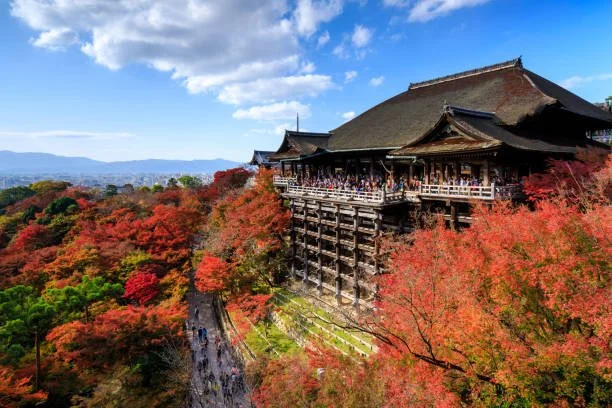
Kiyomizu-dera is one of Kyoto’s most celebrated and scenic temples, perched on the wooded slopes of the city’s eastern hills. Famous for its large wooden stage that juts out from the main hall, the temple offers sweeping views over Kyoto, especially breathtaking during cherry blossom season and autumn foliage. The surrounding streets, lined with traditional shops and teahouses, add to the sense of stepping back in time as visitors approach the temple grounds.
Kiyomizu-dera was founded in 778, making it one of the oldest temples in Kyoto. Dedicated to Kannon, the Buddhist deity of compassion, the temple has long been a place of prayer for health, success, and safe childbirth. The current main hall was reconstructed in 1633 under the patronage of Tokugawa Iemitsu and is renowned for being built entirely without nails, using traditional wooden joinery techniques. Over the centuries, the temple has been closely associated with Japanese folklore and the phrase “to jump off the stage at Kiyomizu,” meaning to take a bold leap of faith.
Today, Kiyomizu-dera is a UNESCO World Heritage Site and a must-visit destination for travelers to Kyoto. Visitors can explore the temple’s halls, drink from the sacred Otowa Waterfall below the stage, and enjoy panoramic views that change with the seasons. Blending spiritual devotion, architectural mastery, and natural beauty, Kiyomizu-dera offers a timeless glimpse into Kyoto’s enduring religious and cultural heritage.
Location Details
Operating Hours: 10:00am - 4:00pm
Admission: Free
Location: Japan, 605-0922 Kyoto, Higashiyama Ward, Seikanji Utanonakayamacho, 3
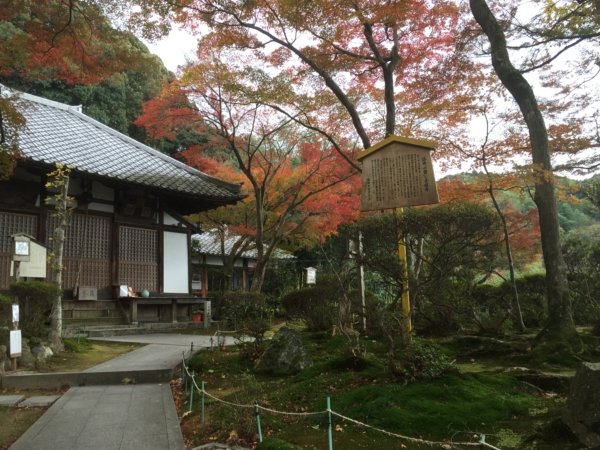
Seikan-ji Temple
Seikan-ji Temple is a quiet and lesser-known temple tucked into the hills of eastern Kyoto, offering visitors a peaceful retreat away from the city’s busiest sights. Surrounded by trees and gentle slopes, the temple has a calm, intimate atmosphere that invites slow exploration and reflection. Its modest buildings and natural setting reflect the understated beauty often found in Kyoto’s smaller temples.
Seikan-ji was founded in the early Heian period, during a time when Kyoto was emerging as Japan’s imperial capital and Buddhism was deeply shaping court culture. The temple is traditionally associated with the Tendai school of Buddhism, which played a major role in the religious development of the capital. Over the centuries, Seikan-ji served as a place of prayer and study, supported by aristocrats and monks seeking spiritual practice in a tranquil environment away from the political center of the city.
Today, Seikan-ji Temple remains a serene destination for travelers interested in Kyoto’s quieter historical sites. Visitors can enjoy seasonal scenery, from fresh greenery in spring to colorful autumn leaves, while experiencing a side of Kyoto that feels intimate and unhurried. Rooted in centuries of Buddhist tradition, Seikan-ji offers a gentle reminder of the city’s long spiritual history and the enduring appeal of its hidden temples.
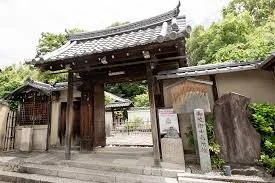
Entoku-in
Entoku-in is a small and tranquil Zen temple located within the Kōdaiji temple complex in Kyoto’s Higashiyama district. Known for its intimate scale and refined simplicity, Entoku-in offers visitors a quiet space to slow down and appreciate traditional Japanese aesthetics. Tatami rooms open onto carefully maintained gardens, creating a harmonious blend of architecture and nature that feels both elegant and deeply calming.
Entoku-in was established in the early 17th century as a memorial temple connected to the Toyotomi family. It is closely associated with Nene, the widow of Toyotomi Hideyoshi, who also founded nearby Kōdaiji. The temple is especially notable for its interior fusuma (sliding door) paintings, created by artists of the Kanō school, which reflect the refined cultural tastes of the early Edo period. These artworks and gardens illustrate how Zen practice and elite patronage shaped Kyoto’s religious spaces after decades of civil war.
Today, Entoku-in remains a hidden gem for travelers seeking a more contemplative Kyoto experience. Visitors can sit quietly in the temple rooms, admire the subtle details of the artwork, and enjoy seasonal changes reflected in the garden scenery. With its close ties to Kyoto’s samurai-era history and its serene atmosphere, Entoku-in offers a graceful glimpse into the private, meditative side of the city’s temple culture.
Location Details
Operating Hours: 24 Hours
Admission: Free
Location: Japan, 605-0825 Kyoto, Higashiyama Ward,528
Sōrin-ji Temple
Entoku-in is a small and tranquil Zen temple located within the Kōdaiji temple complex in Kyoto’s Higashiyama district. Known for its intimate scale and refined simplicity, Entoku-in offers visitors a quiet space to slow down and appreciate traditional Japanese aesthetics. Tatami rooms open onto carefully maintained gardens, creating a harmonious blend of architecture and nature that feels both elegant and deeply calming.
Entoku-in was established in the early 17th century as a memorial temple connected to the Toyotomi family. It is closely associated with Nene, the widow of Toyotomi Hideyoshi, who also founded nearby Kōdaiji. The temple is especially notable for its interior fusuma (sliding door) paintings, created by artists of the Kanō school, which reflect the refined cultural tastes of the early Edo period. These artworks and gardens illustrate how Zen practice and elite patronage shaped Kyoto’s religious spaces after decades of civil war.
Today, Entoku-in remains a hidden gem for travelers seeking a more contemplative Kyoto experience. Visitors can sit quietly in the temple rooms, admire the subtle details of the artwork, and enjoy seasonal changes reflected in the garden scenery. With its close ties to Kyoto’s samurai-era history and its serene atmosphere, Entoku-in offers a graceful glimpse into the private, meditative side of the city’s temple culture.
Location Details
Operating Hours: 6:00am - 6:00pm
Admission: Adults ¥500 Children ¥200
Location: 1 Chome-294 Kiyomizu, Higashiyama Ward, Kyoto, 605-0862, Japan
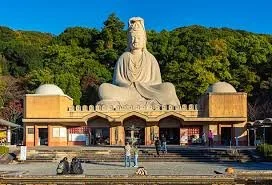
Ryozen Kannon
Ryozen Kannon is a striking Buddhist memorial located on the slopes of Mount Ryozen in eastern Kyoto. The site is dominated by a towering white statue of Kannon, the Bodhisattva of Compassion, which overlooks the city in quiet contemplation. Surrounded by trees and temple grounds, Ryozen Kannon offers a peaceful atmosphere and gentle views that contrast with the busier nearby districts of Gion and Higashiyama.
Ryozen Kannon was established in 1955 as a memorial to honor those who lost their lives in World War II. Built by Japanese religious leaders and supported by public donations, the statue was intended as a symbol of prayer for peace and reconciliation. Unlike older temples rooted in feudal or imperial history, Ryozen Kannon reflects Japan’s postwar spiritual response—using Buddhist compassion as a way to mourn the dead, promote healing, and express a collective wish that such conflict never be repeated.
Today, Ryozen Kannon remains a quiet place of remembrance and reflection. Visitors can enter the statue, where memorial tablets commemorate the war dead, and explore the surrounding grounds at a relaxed pace. Blending modern history with timeless Buddhist symbolism, Ryozen Kannon offers traveler’s a meaningful stop that highlights Kyoto not only as a city of ancient tradition, but also as a place shaped by more recent history and a continuing commitment to peace.
Kōdaiji Temple
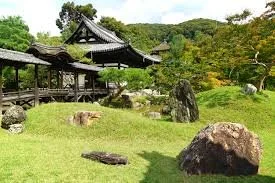
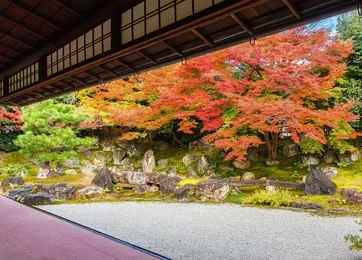
Kōdaiji Temple is a beautifully preserved Zen temple located in Kyoto’s Higashiyama district, known for its elegant gardens and serene atmosphere. The temple grounds feature refined rock gardens, a tranquil bamboo grove, and ponds that reflect surrounding trees and seasonal colors. Especially enchanting in the evening during seasonal illuminations, Kōdaiji offers visitors a calm, intimate experience that contrasts gently with nearby bustling streets.
Kōdaiji was founded in 1606 by Nene (also known as Kita-no-Mandokoro), the widow of the powerful warlord Toyotomi Hideyoshi. Built in his memory after his death, the temple became a place of prayer and mourning, supported by the Tokugawa shogunate during the early Edo period. Its architecture and gardens reflect the refined aesthetic of the Momoyama period, a time known for artistic innovation and cultural transition following decades of civil war.
Today, Kōdaiji Temple is celebrated as one of Kyoto’s most atmospheric historic sites. Visitors can stroll through carefully designed gardens, admire traditional teahouses, and enjoy views that change dramatically with the seasons—from cherry blossoms in spring to glowing maple leaves in autumn. Blending personal history, Zen philosophy, and timeless beauty, Kōdaiji offers traveler’s a graceful glimpse into Kyoto’s cultural and emotional landscape shaped by love, loss, and renewal.
Location Details
Operating Hours: 10:00am - 5:00pm
Admission: Adults ¥500 Children ¥200
Location: Japan, 605-0825 Kyoto, Higashiyama Ward, 530
Gesshin-in Temple
Gesshin-in Temple is a quiet Zen temple located in Kyoto’s Higashiyama area, offering a calm retreat from the city’s more crowded attractions. Tucked away on a gentle hillside, the temple is surrounded by greenery and exudes a simple, meditative atmosphere. Its understated buildings and serene garden spaces reflect the Zen ideal of finding beauty in restraint and balance.
Gesshin-in was founded during the Edo period as a subtemple associated with the Rinzai school of Zen Buddhism. Like many Zen temples of this era, it served as a place for monastic training, meditation, and scholarly study. Supported by local patrons and connected to Kyoto’s broader Zen network, Gesshin-in played a role in preserving Zen practice at a time when Buddhism was closely linked to samurai culture, discipline, and philosophical refinement.
Today, Gesshin-in Temple remains a peaceful destination for visitors seeking a quieter side of Kyoto’s religious heritage. Guests can enjoy the stillness of the temple grounds, observe seasonal changes in the garden, and experience the contemplative mood that has defined the site for centuries. Rooted in Edo-period history and Zen tradition, Gesshin-in offers traveler’s a gentle, reflective encounter with Kyoto’s enduring spiritual landscape.
Location Details
Operating Hours: 10:00am - 5:00pm
Admission: Adults ¥500 Children ¥200
Location: Japan, 605-0825 Kyoto, Higashiyama Ward, 530
Location Details
Operating Hours: 8:40am - 4:00pm
Admission: Adults ¥300 Children ¥100
Location: 526-2 Shimokawaracho, Higashiyama Ward, Kyoto, 605-0825, Japan
Location Details
Operating Hours: 9:00am - 5:30pm
Admission: Adults ¥600 Children ¥250
Location: Japan, 605-0825 Kyoto, Higashiyama Ward,526
Discover more Kyoto with our Patreon Community
Ready to explore more of Kyoto with confidence? Join our Patreon community and unlock exclusive travel videos, travel guides and carefully crafted itineraries designed to help you discover more of Kyoto, its amazing destinations, hidden gems, and unforgettable experiences. Interact with the Let’s Go Explore community to discuss and discover travel adventures. Whether you're planning your next adventure or just dreaming about it, we’ll help you travel smarter, easier, and with more excitement every step of the way.





Discover the Timeless Beauty of Kyoto – Japan’s Cultural Heart ⛩️🇯🇵
Step into the historic city of Kyoto, where ancient temples, traditional streets, and seasonal beauty create one of Japan’s most unforgettable travel experiences. In this edition of the Lets Go Explore travel newsletter, we highlight the foods you can’t miss—from classic Kyoto cuisine and street food favourites to sweet local treats found in historic markets. We’ll also guide you through the best ways to get around the city using buses, trains, and walking routes so you can explore Kyoto with confidence.
Inside, you’ll discover our Top 5 sightseeing ideas, a carefully planned 3-day itinerary, and seasonal travel inspiration to help you experience Kyoto at its best—whether it’s cherry blossoms in spring, lively summer festivals, stunning autumn foliage, or peaceful winter temple visits. Find out exactly why Kyoto belongs on your travel list and how to make the most of your journey to Japan’s cultural capital.
Discover the Elegant Flavours of Kyoto – Tradition on Every Plate 🍱🍵🇯🇵
Get ready to experience the refined and traditional food culture of Kyoto, a city known for its beautiful presentation, seasonal ingredients, and centuries-old culinary traditions. In this Lets Go Explore food guide, we highlight the must-eat local dishes and show you exactly where to find them—from classic Kyoto cuisine and street food favourites to hidden local restaurants serving authentic regional specialties. You’ll also discover the sweet treats you shouldn’t miss, along with beloved local favourites that showcase the city’s unique food heritage.
Don’t forget the drinks—this guide features the best local beverages to try, from premium green tea and regional sake to refreshing drinks that perfectly complement Kyoto’s delicate flavours. Discover exactly why Kyoto belongs on your food travel list and how to make every meal part of your cultural journey.
Where to Stay in Kyoto – Experience Tradition, Comfort, and Culture 🏯🏨🇯🇵
Discover the best places to stay in Kyoto, a city famous for its historic temples, traditional neighbourhoods, and unforgettable seasonal beauty. In this Lets Go Explore accommodation guide, we highlight the best areas to stay—whether you want to be close to cultural landmarks, lively shopping streets, peaceful gardens, or convenient transport hubs. You’ll explore the different types of accommodation the city has to offer, from luxury hotels and traditional ryokan stays to comfortable mid-range options and budget-friendly choices.
We also share helpful seasonal tips to help you choose the right location depending on the time of year, along with practical booking tips to secure the best value and availability. Discover exactly why Kyoto is a great place to stay, with its rich cultural atmosphere, excellent transport connections, and wide range of accommodation options that make every visit memorable.
Getting Around Kyoto – Navigate Japan’s Cultural Capital with Ease 🚌🚃🇯🇵
Get ready to explore Kyoto with confidence using the city’s reliable and easy-to-understand transportation system. In this Lets Go Explore transportation guide, we cover all the different types of transport the city has to offer—from buses and trains to subways, taxis, and scenic rail lines—so you’ll know exactly how to reach temples, historic districts, and popular sightseeing spots across the city.
You’ll also learn how to pay for transportation using IC cards, day passes, and tickets, along with practical tips to help you move around efficiently and avoid common travel mistakes. Discover exactly why Kyoto is easy to explore, thanks to its well-connected routes, clear signage, and convenient transport options that make visiting the city’s famous attractions simple and enjoyable
Kyoto Captured: Timeless Temples, Traditions, and Unforgettable Experiences ⛩️🌸🍵
Step into the cultural heart of Japan with a sightseeing guide to Kyoto designed to help you experience the city’s rich history and beauty with ease. Inside, you’ll find must-visit spots and exactly where to find them, from world-famous temples and serene gardens to historic districts and iconic landmarks. We also reveal local hidden gems and favourite neighbourhood spots where you can discover quiet alleys, traditional teahouses, and authentic local experiences away from the busiest crowds. The guide highlights seasonal experiences—from breathtaking cherry blossoms in spring and vibrant summer festivals to stunning autumn foliage and peaceful winter temple visits—along with easy day trips from Kyoto to nearby cultural towns, scenic countryside destinations, and historic sites. Whether you're visiting for history, culture, food, or photography, this guide shows why Kyoto belongs at the top of your Japan travel list and helps you create unforgettable memories in one of the country’s most iconic destinations.