Berlin
Located just south of Tokyo along the shores of Tokyo Bay, Yokohama is Japan’s second-largest city and one of its most cosmopolitan destinations. The city is known for its scenic waterfront, modern skyline, and diverse neighbourhoods that blend international influence with Japanese culture. From lively portside districts and historic streets to parks, museums, and vibrant food scenes, Yokohama offers travelers a relaxed yet dynamic alternative to the capital.
Yokohama’s modern history began in 1859, when it was opened as one of Japan’s first ports to foreign trade following the end of national isolation. The city quickly developed into a gateway between Japan and the world, introducing Western architecture, technology, and customs that helped shape modern Japanese society. Though much of Yokohama was rebuilt after the Great Kantō Earthquake and World War II, its legacy as a port city remains strong, making it a fascinating place where history, innovation, and international culture continue to meet.
The Wall Museum
The Wall Museum – East Side Gallery offers one of Berlin's most immersive experiences, bringing to life the dramatic story of the Berlin Wall and the city's journey from division to reunification. Located beside the famous East Side Gallery, the museum combines interactive exhibits, multimedia presentations, and authentic artefacts to tell the powerful stories of those who lived through one of the defining periods of modern history. It is a must-visit destination for anyone wanting to understand Berlin's remarkable transformation.
The museum explores the history of the Berlin Wall, which divided East and West Berlin from 1961 until 1989 during the Cold War. Through original documents, personal accounts, photographs, and film footage, visitors learn about daily life on both sides of the Wall, the daring escape attempts made by those seeking freedom, and the peaceful events that ultimately led to the Wall's fall. Situated next to the longest surviving section of the Berlin Wall, the museum provides valuable historical context for one of the city's most significant landmarks.
A visit to The Wall Museum is both moving and educational. Interactive displays, life-sized exhibits, and multimedia installations allow visitors to experience the emotions, challenges, and triumphs of those affected by the division of Berlin. After exploring the museum, guests can step outside to walk along the iconic East Side Gallery, where colourful murals painted on the preserved Wall celebrate freedom, hope, and unity. Together, the museum and the East Side Gallery offer a powerful and unforgettable insight into Berlin's past while highlighting the resilience of its people and the enduring importance of peace.
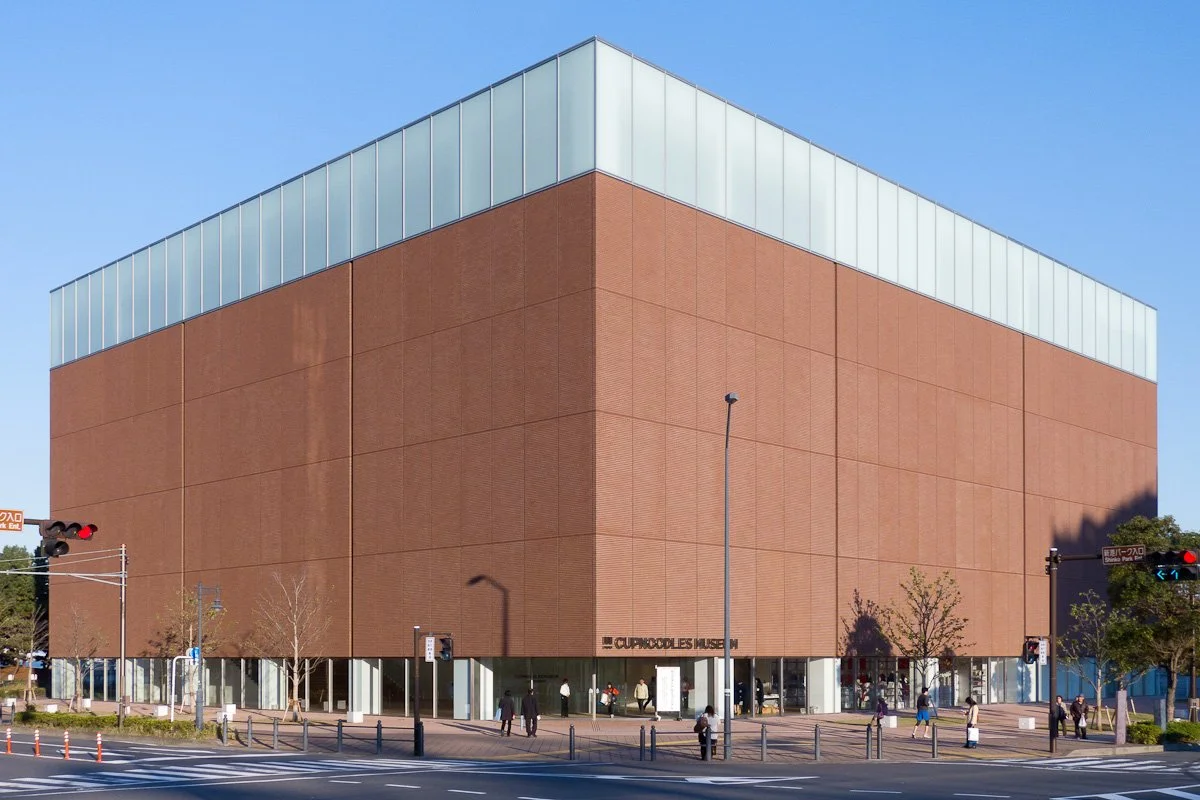
Location Details
Operating Hours: 10:00am - 6:00pm
Admission: Adults ¥500 Children Free
Location: 2 Chome-3-4 Shinko, Naka Ward, Yokohama, Kanagawa 231-0001, Japan
East Side Gallery
The Berlin Wall East Side Gallery is one of Berlin's most iconic landmarks and the world's longest open-air gallery. Stretching for approximately 1.3 kilometres along the River Spree, this preserved section of the former Berlin Wall has been transformed into a vibrant outdoor exhibition featuring more than 100 murals created by artists from around the world. Combining history, art, and powerful symbolism, the East Side Gallery stands as a lasting tribute to freedom, unity, and the triumph over division.
The Berlin Wall was erected in 1961, separating East and West Berlin for nearly three decades during the Cold War. Following the Wall's fall in 1989, this surviving section was preserved and, in 1990, artists from across the globe were invited to transform it into a public artwork celebrating peace and the reunification of Germany. Today, many of the original murals have been carefully restored, including the famous "Fraternal Kiss," ensuring the stories and messages of hope continue to inspire future generations.
Visiting the East Side Gallery is a unique experience that blends history with creativity. As you stroll along the colourful murals, you'll encounter powerful artworks reflecting freedom, political change, and human resilience, with each painting telling its own story. Informational displays provide historical context, while the nearby River Spree and surrounding cafés create a lively atmosphere perfect for exploring at your own pace. Whether you're interested in history, photography, or contemporary art, the East Side Gallery offers one of Berlin's most memorable and meaningful visitor experiences.
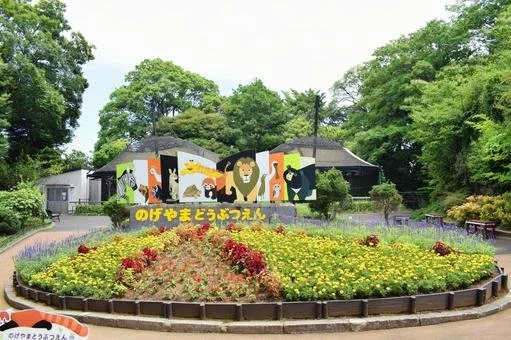
Location Details
Operating Hours: 10:00am - 9:00pm
Admission: Adult ¥1000 oneway ¥1800 return Child ¥500 oneway ¥900 return
Location: 1 Chome-200 Sakuragicho, Naka Ward, Yokohama, Kanagawa 231-0062, Japan
Berlin TV Tower
The Berlin TV Tower (Berliner Fernsehturm) is one of Germany's most recognisable landmarks and the tallest structure in the country. Standing at 368 metres in the heart of Alexanderplatz, the tower dominates Berlin's skyline and offers spectacular panoramic views across the city. With its distinctive sphere and sleek design, the Berlin TV Tower has become a symbol of the German capital, attracting millions of visitors each year.
Completed in 1969, the Berlin TV Tower was built by the former German Democratic Republic (East Germany) as both a broadcasting facility and a showcase of modern engineering. Designed to demonstrate technological achievement, it quickly became an iconic feature of East Berlin. Following the reunification of Germany in 1990, the tower remained one of the city's most beloved landmarks and continues to serve as an active broadcasting tower while welcoming visitors from around the world.
A visit to the Berlin TV Tower is an unforgettable experience. High-speed elevators transport guests to the observation deck, where breathtaking 360-degree views stretch across Berlin's famous landmarks, including the Brandenburg Gate, Reichstag, Museum Island, and the River Spree. Visitors can also dine at the revolving Sphere Restaurant, which slowly rotates to provide ever-changing views of the city below. Whether you're visiting during the day or watching the sunset over Berlin, the Berlin TV Tower offers one of the most memorable experiences in the German capital.
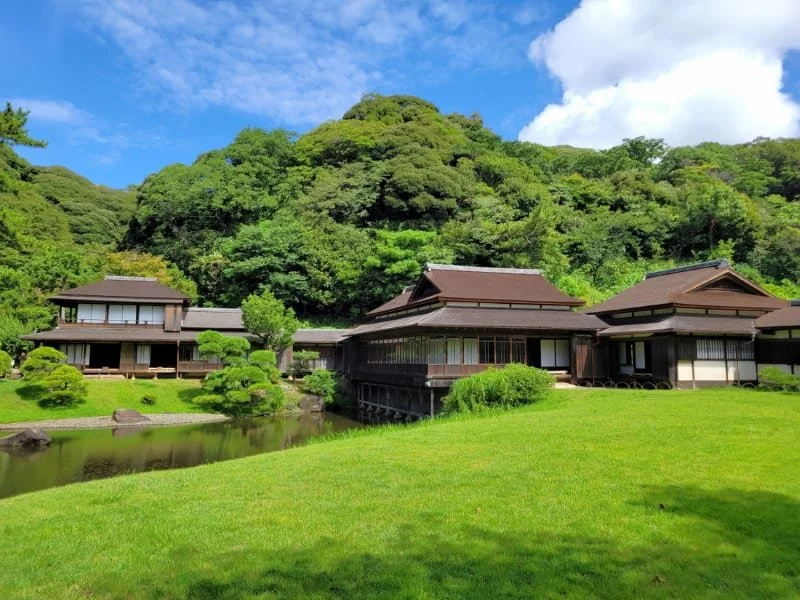
St. Mary’s Church
St. Mary's Church (Marienkirche) is one of Berlin's oldest and most treasured historic landmarks, standing proudly beside Alexanderplatz and the iconic Berlin TV Tower. With its distinctive red-brick Gothic architecture and peaceful atmosphere, the church offers visitors a fascinating glimpse into Berlin's medieval past. As one of the few surviving medieval churches in the city, St. Mary's Church provides a striking contrast to the modern skyline that surrounds it.
The church dates back to the 13th century, although much of the present building was constructed during the 14th century in the North German Brick Gothic style. Over the centuries, it has witnessed some of Berlin's most significant historical events and survived wars, fires, and extensive urban redevelopment. One of its most famous features is the remarkable "Dance of Death" (Totentanz) fresco, a rare medieval artwork reminding viewers of the equality of all people in the face of mortality. Carefully restored over the years, the church remains an active place of worship as well as an important historical monument.
Visitors to St. Mary's Church can admire its soaring Gothic interior, beautiful stained-glass windows, historic organ, and impressive Baroque pulpit. The tranquil atmosphere provides a welcome escape from the bustling streets of central Berlin, while the church's central location makes it easy to combine with nearby attractions such as Alexanderplatz, Museum Island, and the Berlin TV Tower. Whether you're interested in history, architecture, photography, or simply seeking a peaceful place for reflection, St. Mary's Church offers a memorable and enriching experience in the heart of Berlin.
Location Details
Operating Hours: 9:30am - 4:30pm
Closed Mondays
Admission: Free
Location: 63-10 Oimatsucho, Nishi Ward, Yokohama, Kanagawa 220-0032, Japan
Brandenburg Gate
The Brandenburg Gate is Berlin's most famous landmark and one of Germany's most enduring national symbols. Standing proudly at the western end of Unter den Linden boulevard, this magnificent neoclassical monument has witnessed centuries of history and remains a powerful symbol of peace, unity, and freedom. With its twelve grand columns and the iconic Quadriga statue—a chariot drawn by four horses—atop the gate, the Brandenburg Gate is an essential stop for every visitor to Berlin.
Completed in 1791 during the reign of King Frederick William II of Prussia, the Brandenburg Gate was designed by architect Carl Gotthard Langhans and inspired by the ancient Propylaea of Athens. Throughout its history, the gate has stood at the centre of many significant events, from Napoleon's occupation of Berlin to the rise and fall of the Berlin Wall. During the Cold War, it stood isolated in the border zone between East and West Berlin, becoming a symbol of Germany's division. Following the fall of the Berlin Wall in 1989, the gate was reopened and came to represent the reunification of Germany and the triumph of freedom.
Today, the Brandenburg Gate is one of Berlin's most popular attractions, drawing millions of visitors each year. Guests can admire its impressive architecture, learn about its remarkable history, and experience the vibrant atmosphere of Pariser Platz, which is surrounded by cafés, embassies, and historic buildings. The gate is especially stunning when illuminated after dark and serves as the backdrop for major celebrations, including New Year's Eve festivities and national events. Whether you're capturing photographs, exploring nearby landmarks such as the Reichstag and Tiergarten, or simply taking in the atmosphere, the Brandenburg Gate offers an unforgettable experience at the heart of Berlin.
Berlin Zoo
The Berlin Zoo (Zoologischer Garten Berlin) is one of the world's most famous zoological parks and a must-visit attraction in the heart of Germany's capital. Home to more than 20,000 animals representing around 1,000 species, it boasts one of the most diverse collections of wildlife anywhere in the world. From majestic big cats and elephants to giant pandas, exotic birds, and marine life, Berlin Zoo offers an unforgettable experience for visitors of all ages while promoting wildlife conservation, education, and research.
Founded in 1844, Berlin Zoo is Germany's oldest zoo and has played an important role in animal conservation for more than 180 years. During World War II, the zoo suffered devastating damage, with much of its infrastructure destroyed and only a small number of animals surviving. Through decades of careful rebuilding and modernisation, the zoo has become one of Europe's leading zoological institutions. Today, its beautifully designed habitats provide excellent environments for its animals while supporting international breeding and conservation programs for endangered species.
A visit to Berlin Zoo is a fascinating journey through the world's wildlife. Visitors can explore themed habitats, enjoy daily feeding sessions and educational talks, and discover popular attractions such as the Panda Garden, the historic Elephant Gate, and the neighbouring Aquarium Berlin, home to thousands of fish, reptiles, amphibians, and insects. Landscaped gardens, family-friendly facilities, and interactive exhibits make it an enjoyable destination for all ages. Whether you're travelling with children, photographing rare animals, or simply enjoying a relaxing day surrounded by nature, Berlin Zoo offers one of the city's most rewarding and memorable experiences.
Location Details
Operating Hours: 9:30am - 4:30pm
Closed Mondays
Admission: Free
Location: 63-10 Oimatsucho, Nishi Ward, Yokohama, Kanagawa 220-0032, Japan
Sachsenhausen Memorial
The Sachsenhausen Memorial and Museum is one of Germany's most significant historical sites, located in the town of Oranienburg, approximately 35 kilometres north of central Berlin. Established as a place of remembrance and education, the memorial preserves the former Sachsenhausen concentration camp, offering visitors a powerful insight into one of the darkest chapters of the 20th century. Through its preserved buildings, exhibitions, and memorials, the site honours the victims while encouraging reflection on the importance of human rights, tolerance, and democracy.
Sachsenhausen was established by the Nazi regime in 1936 and became one of the principal concentration camps in Germany. More than 200,000 people were imprisoned here between 1936 and 1945, including political prisoners, Jews, Roma and Sinti, Jehovah's Witnesses, homosexuals, and other groups persecuted by the Nazi regime. After World War II, the site was used by the Soviet authorities as a special internment camp until 1950. In the decades that followed, Sachsenhausen was transformed into a memorial and museum dedicated to preserving the history of the camp and commemorating the thousands of people who suffered and died there.
A visit to the Sachsenhausen Memorial and Museum is a deeply moving and educational experience. Visitors can explore original camp structures, including the entrance gate, watchtowers, barracks, prison cells, and memorial sites, while informative exhibitions, photographs, personal testimonies, and artefacts provide powerful historical context. Guided tours and audio guides offer further insight into the experiences of prisoners and the significance of the site. Although confronting and emotional, a visit to Sachsenhausen provides an important opportunity to remember the victims, understand the consequences of hatred and intolerance, and reflect on the enduring value of freedom, justice, and human dignity.
Location Details
Operating Hours: 9:30am - 4:30pm
Closed Mondays
Admission: Free
Location: 63-10 Oimatsucho, Nishi Ward, Yokohama, Kanagawa 220-0032, Japan
Sachsenhausen Memorial
The Sachsenhausen Memorial and Museum is one of Germany's most significant historical sites, located in the town of Oranienburg, approximately 35 kilometres north of central Berlin. Established as a place of remembrance and education, the memorial preserves the former Sachsenhausen concentration camp, offering visitors a powerful insight into one of the darkest chapters of the 20th century. Through its preserved buildings, exhibitions, and memorials, the site honours the victims while encouraging reflection on the importance of human rights, tolerance, and democracy.
Sachsenhausen was established by the Nazi regime in 1936 and became one of the principal concentration camps in Germany. More than 200,000 people were imprisoned here between 1936 and 1945, including political prisoners, Jews, Roma and Sinti, Jehovah's Witnesses, homosexuals, and other groups persecuted by the Nazi regime. After World War II, the site was used by the Soviet authorities as a special internment camp until 1950. In the decades that followed, Sachsenhausen was transformed into a memorial and museum dedicated to preserving the history of the camp and commemorating the thousands of people who suffered and died there.
A visit to the Sachsenhausen Memorial and Museum is a deeply moving and educational experience. Visitors can explore original camp structures, including the entrance gate, watchtowers, barracks, prison cells, and memorial sites, while informative exhibitions, photographs, personal testimonies, and artefacts provide powerful historical context. Guided tours and audio guides offer further insight into the experiences of prisoners and the significance of the site. Although confronting and emotional, a visit to Sachsenhausen provides an important opportunity to remember the victims, understand the consequences of hatred and intolerance, and reflect on the enduring value of freedom, justice, and human dignity.
Location Details
Operating Hours: 9:30am - 4:30pm
Closed Mondays
Admission: Free
Location: 63-10 Oimatsucho, Nishi Ward, Yokohama, Kanagawa 220-0032, Japan
Location Details
Operating Hours: 9:00am - 5:00pm
Admission: Adults ¥900 Children ¥200
Location: 58-1 Honmokusannotani, Naka Ward, Yokohama, Kanagawa 231-0824, Japan
Berlin Cathedral
The Berlin Cathedral (Berliner Dom) is one of the city's most magnificent landmarks, standing proudly on Museum Island beside the River Spree. With its impressive green copper dome, grand Baroque Revival architecture, and richly decorated interior, the cathedral is one of Berlin's most photographed attractions. As the largest Protestant church in Germany, it combines religious significance with outstanding architecture, making it a must-visit destination for history lovers, architecture enthusiasts, and travellers alike.
The present cathedral was completed in 1905 during the reign of Emperor Wilhelm II, replacing earlier churches that had occupied the site for centuries. Designed by architect Julius Raschdorff, the cathedral was intended to reflect the power and prestige of the Prussian monarchy. It suffered extensive damage during World War II, with its dome badly affected by bombing, but decades of careful restoration have returned the building to its former splendour. Today, the cathedral stands as a symbol of Berlin's resilience and rich cultural heritage.
Visitors to the Berlin Cathedral can explore its breathtaking interior, featuring soaring domes, intricate mosaics, magnificent stained-glass windows, and one of Germany's largest pipe organs. Beneath the church lies the Hohenzollern Crypt, where members of the former Prussian royal family are laid to rest. For unforgettable views, visitors can climb the dome, where a panoramic viewing platform offers spectacular vistas across Museum Island, the River Spree, the Berlin TV Tower, and the city's historic centre. Whether attending a concert, admiring its remarkable architecture, or simply enjoying the views, the Berlin Cathedral is one of Berlin's most unforgettable attractions.
Location Details
Operating Hours: 9:00am - 5:00pm
Admission: Adults ¥900 Children ¥200
Location: 58-1 Honmokusannotani, Naka Ward, Yokohama, Kanagawa 231-0824, Japan
Soviet War Memorial
The Soviet War Memorial in Berlin's Tiergarten is one of the city's most significant World War II monuments, honouring the Soviet soldiers who lost their lives during the Battle of Berlin in 1945. Located just a short walk from the Brandenburg Gate, the memorial combines powerful symbolism with impressive architecture, making it an important historical site for visitors interested in understanding the final days of the war in Europe. Its peaceful setting within Tiergarten provides a place for reflection and remembrance in the heart of the German capital.
The memorial was inaugurated in November 1945, only months after the end of World War II, and was one of the first Soviet war memorials constructed in Berlin. It commemorates the approximately 80,000 Soviet soldiers who died during the Battle of Berlin. At its centre stands a bronze statue of a Soviet soldier, flanked by a curved colonnade and two T-34 tanks believed to have taken part in the battle, along with artillery pieces. The memorial also serves as the final resting place for around 2,000 Soviet soldiers buried in the grounds, making it both a monument and a military cemetery.
Today, visitors come to the Soviet War Memorial to learn about this pivotal chapter in European history while paying their respects to those who lost their lives. Informational plaques provide historical context, and the quiet gardens surrounding the monument offer a respectful atmosphere for contemplation. Its convenient location near the Brandenburg Gate, Reichstag, and Tiergarten makes it an easy addition to any walking tour of central Berlin. Whether you're interested in military history, architecture, or remembrance, the Soviet War Memorial offers a meaningful and thought-provoking experience.
Location Details
Operating Hours: 9:00am - 5:00pm
Admission: Adults ¥900 Children ¥200
Location: 58-1 Honmokusannotani, Naka Ward, Yokohama, Kanagawa 231-0824, Japan
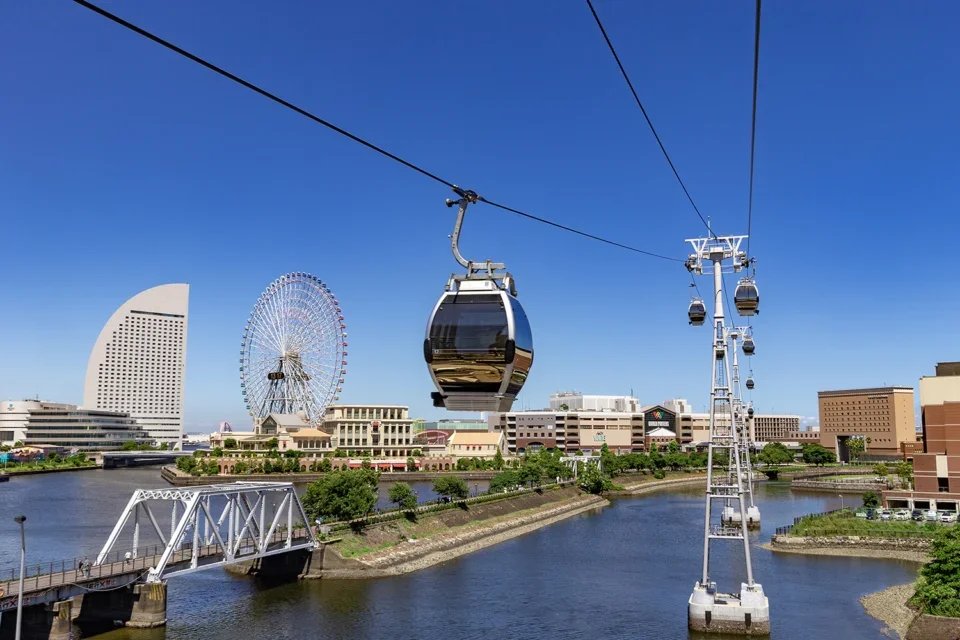
Discover more Frankfurt with our Patreon Community
Ready to explore more of Frankfurt with confidence? Join our Patreon community and unlock exclusive travel videos, travel guides and carefully crafted itineraries designed to help you discover more of Frankfurt, its amazing destinations, hidden gems, and unforgettable experiences. Interact with the Let’s Go Explore community to discuss and discover travel adventures. Whether you're planning your next adventure or just dreaming about it, we’ll help you travel smarter, easier, and with more excitement every step of the way.




Discover the Coastal Charm of Yokohama – A Perfect Blend of City Life and Waterfront Views ⚓🇯🇵
Explore the vibrant port city of Yokohama, known for its scenic waterfront, international influences, and fantastic food scene. In this edition of the Lets Go Explore travel newsletter, we highlight the foods you can’t miss—from delicious ramen in Japan’s famous Chinatown to fresh seafood and local favourites loved by visitors and locals alike. We’ll also guide you through the easiest ways to get around the city using trains, buses, and walkable waterfront routes.
Inside, you’ll find our Top 5 sightseeing ideas, a carefully planned 3-day itinerary, and seasonal travel inspiration to help you experience Yokohama at its best—whether it’s spring flower festivals, summer bay cruises, colourful autumn events, or sparkling winter illuminations. Discover exactly why Yokohama belongs on your travel list and how to make the most of your visit to this stylish and welcoming coastal city.
Discover the Flavours of Yokohama – A Waterfront City Full of Culinary Surprises 🍜🥟🇯🇵
Get ready to explore the diverse food scene of Yokohama, a vibrant port city known for its international influences and famous dining districts. In this Lets Go Explore food guide, we highlight the must-eat local dishes and show you exactly where to find them—from delicious ramen and Chinese-inspired specialties in the city’s bustling food streets to fresh seafood and popular local favourites. You’ll also discover the sweet treats you shouldn’t miss, along with well-loved local favourites that make Yokohama a standout destination for food lovers.
Don’t forget the drinks—this guide features the best local beverages to try, from regional craft beers and sake to refreshing drinks enjoyed along the waterfront. Discover exactly why Yokohama belongs on your food travel list and how to turn every meal into a memorable part of your visit.
Where to Stay in Yokohama – Waterfront Views and Relaxed City Living ⚓🏨🇯🇵
Discover the best places to stay in Yokohama, a stylish port city known for its scenic waterfront, vibrant dining scene, and easy access to nearby Tokyo. In this Lets Go Explore accommodation guide, we highlight the best areas to stay—whether you prefer lively waterfront districts, convenient locations near major train stations, or quieter neighbourhoods with great local charm. You’ll explore the different types of accommodation the city has to offer, from luxury hotels with stunning bay views to comfortable mid-range stays and budget-friendly options.
We also share helpful seasonal tips to help you choose the right location depending on the time of year, along with practical booking tips to secure the best deals and availability. Discover exactly why Yokohama is a great place to stay, with its relaxed atmosphere, excellent transport connections, and wide range of accommodation options for every type of traveler.
Getting Around Yokohama – Simple Travel Along the Waterfront City 🚇🚢🇯🇵
Explore Yokohama with ease using its modern and well-connected transportation system. In this Lets Go Explore transportation guide, we cover all the different types of transport the city has to offer—from trains and subways to buses, ferries, and convenient connections to nearby Tokyo—so you’ll know exactly how to move around the city and reach its top attractions without stress.
You’ll also learn how to pay for transportation using IC cards, tickets, and travel passes, along with helpful tips to make navigating stations and routes quick and straightforward. Discover exactly why Yokohama is easy to explore, thanks to its compact layout, reliable transport options, and many walkable waterfront districts that make getting around both simple and enjoyable.
Saitama Surprises: Discover Tokyo’s Laid-Back Neighbour with Big Experiences 🚆🌸🏯
Explore the charm and convenience of Saitama with a sightseeing guide designed to help you uncover one of Japan’s most accessible and underrated destinations just beyond Tokyo. Inside, you’ll find must-visit spots and exactly where to find them, from historic districts and scenic parks to family-friendly attractions and cultural landmarks. We also highlight local hidden gems and favourite neighbourhood spots where you can experience authentic local life away from the crowds. The guide showcases seasonal highlights—from spring cherry blossoms and lively summer festivals to autumn colours and winter illuminations—along with easy day trips from Saitama to nearby mountains, traditional towns, and major attractions in the greater Tokyo area. Whether you're looking for history, relaxation, or convenient adventures, this guide explains why Saitama belongs on your travel list and helps you make the most of your visit.