Vienna
Vienna, the elegant capital of Austria, is a city renowned for its grand imperial architecture, rich artistic heritage and sophisticated cultural atmosphere. Set along the banks of the Danube River, Vienna combines magnificent palaces and historic squares with leafy parks, lively cafés and a thriving contemporary arts and dining scene. Visitors can explore the magnificent Schönbrunn Palace, admire the Hofburg’s imperial buildings and stroll along the Ringstrasse, where grand landmarks including the Vienna State Opera, Parliament and Rathaus showcase the city’s architectural splendour. Vienna is also famous for its musical heritage, having been home to some of the world’s greatest composers, while its traditional coffee houses provide an opportunity to experience one of the city’s most enduring cultural traditions. From classical concerts and museums to elegant shopping streets, bustling markets and picturesque neighbourhoods, Vienna offers a memorable blend of imperial grandeur, artistic creativity and modern European city life.
Vienna’s history stretches back to Roman times, when a military settlement known as Vindobona was established on the site of the modern city. Over the centuries, Vienna developed into an important trading centre and eventually became the political heart of the Habsburg Empire. From the 13th century onwards, the city grew in importance as the seat of the Habsburg dynasty, and successive rulers transformed Vienna with magnificent palaces, churches and public buildings. During the 18th and 19th centuries, Vienna flourished as a major centre of European music, art, philosophy and intellectual life, with figures such as Mozart, Beethoven and Schubert closely associated with the city. The grand Ringstrasse was developed in the 19th century, further shaping the impressive cityscape that visitors see today. Vienna later became the capital of the Republic of Austria and has continued to evolve into an international centre of culture, diplomacy and the arts. Today, its historic landmarks and imperial traditions remain an important part of the city’s identity, while its museums, cafés, music venues and modern cultural scene make Vienna one of Europe’s most distinctive destinations.
Museum of Military History
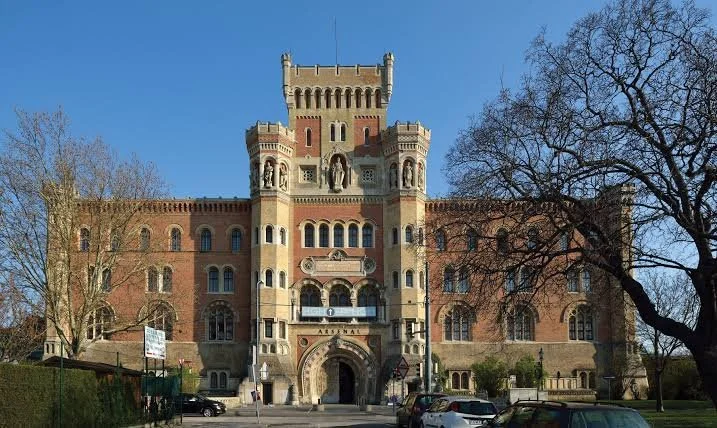
The Museum of Military History (Heeresgeschichtliches Museum) is one of Vienna's most fascinating cultural attractions, offering an in-depth journey through more than four centuries of Austrian and European military history. Located within the historic Arsenal complex, the museum is renowned for its striking Byzantine-inspired architecture and extensive collection of military artefacts. From imperial armour and historic weapons to aircraft, tanks, and naval exhibits, the museum provides a comprehensive look at the events and people that shaped Austria's past.
The museum was commissioned by Emperor Franz Joseph I and officially opened in 1869, making it one of the oldest purpose-built military museums in the world. Its exhibitions trace Austria's military history from the 16th century through the Habsburg Empire, the Napoleonic Wars, and both World Wars. One of the museum's most significant exhibits is the car in which Archduke Franz Ferdinand and his wife Sophie were assassinated in Sarajevo in 1914, an event that triggered the outbreak of World War I. Through its carefully preserved artefacts and historical displays, the museum offers valuable insight into the conflicts that shaped modern Europe.
A visit to the Museum of Military History is both educational and engaging. Visitors can explore beautifully presented galleries filled with uniforms, medals, artillery, military vehicles, aircraft, and interactive exhibits that bring history to life. The museum's impressive architecture and spacious exhibition halls add to the experience, while detailed displays and multimedia presentations help explain the historical significance of each collection. Whether you're a military history enthusiast, a student of European history, or simply curious about Austria's past, the Museum of Military History offers a memorable and thought-provoking experience in the heart of Vienna.
Location Details
Operating Hours: 10:00am - 6:00pm
Admission: Adults €4.50 Children Free
Location: Landstraber Gurtel 1, 1030 Vienna, Austria
Alpine Garden
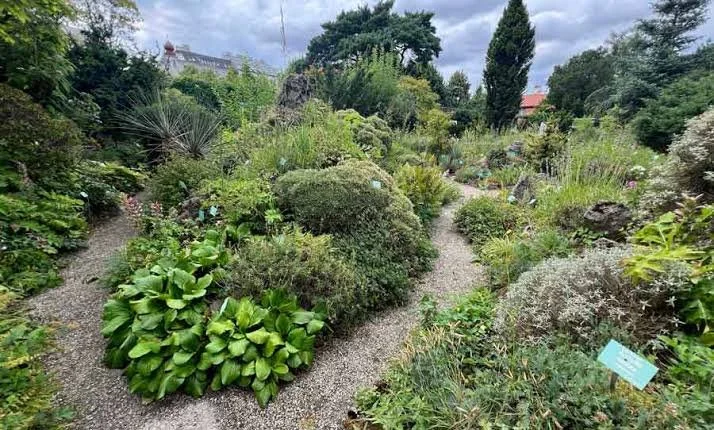
The Alpine Garden (Alpengarten) is one of Vienna's most peaceful natural attractions, offering visitors a unique opportunity to explore the diverse plant life of the European Alps without leaving the city. Located beside the historic Belvedere Palace, this beautifully landscaped botanical garden is home to thousands of alpine, subalpine, and mountain plant species from Austria and across Europe. Its tranquil setting and colourful seasonal displays make it a hidden gem for nature lovers, photographers, and anyone seeking a relaxing escape from Vienna's bustling streets.
Established in 1953, the Alpine Garden was created to protect and showcase rare alpine plants while supporting botanical research and conservation. Covering approximately 2,500 square metres, the garden features carefully designed rock formations and natural habitats that recreate the conditions found in mountainous regions. Over the decades, it has become an important centre for preserving endangered plant species and educating visitors about the fragile ecosystems of the Alps and the importance of biodiversity.
A visit to the Alpine Garden is a peaceful and enriching experience throughout the year. Visitors can wander along scenic pathways surrounded by colourful wildflowers, rare mountain plants, and carefully maintained rock gardens while enjoying views of the magnificent Belvedere Palace nearby. Informative displays help explain the origins and ecological significance of the plants, making the garden both educational and inspiring. Whether you're passionate about botany, looking for a quiet place to unwind, or simply exploring Vienna's cultural attractions, the Alpine Garden offers a refreshing combination of natural beauty, conservation, and tranquillity in the heart of the city.
Location Details
Operating Hours: 9:00am - 5:00pm
Closed Mondays
Admission: Adult €3.50 Children €2.50
Location: Arsenal, Objekt 1, 1030 Vienna, Austria
Vienna Botanic Garden
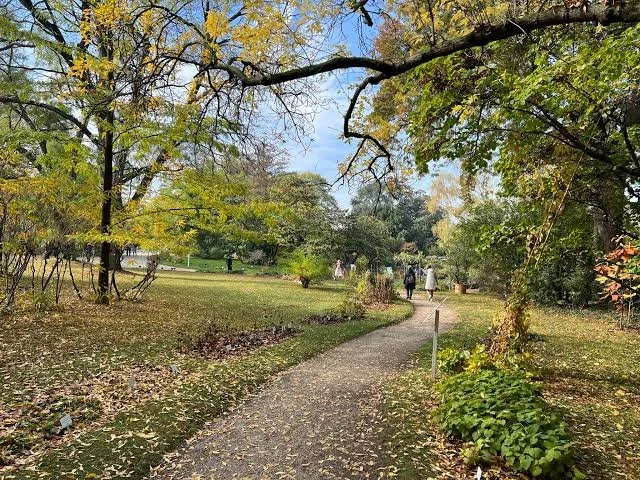
The Botanic Garden of the University of Vienna is one of Austria's most beautiful and scientifically important botanical gardens. Located in the Landstraße district beside the Belvedere Palace, this peaceful green oasis spans around eight hectares and is home to more than 11,000 plant species from across the globe. Combining natural beauty with botanical research and conservation, the garden is a favourite destination for nature lovers, photographers, students, and visitors seeking a tranquil escape in the heart of Vienna.
Founded in 1754 by Empress Maria Theresa as a medicinal herb garden, the Botanic Garden has grown into one of Europe's leading centres for botanical research and education. Managed by the University of Vienna, it plays an important role in the conservation of rare and endangered plant species while supporting scientific study and public awareness of biodiversity. Over the centuries, the garden has expanded to include themed collections, historic trees, alpine plants, tropical species, and one of Austria's most significant living plant collections.
A visit to the Botanic Garden offers a relaxing and enriching experience throughout the year. Visitors can wander along peaceful pathways lined with colourful flower beds, explore themed gardens and greenhouses, and discover rare plants from every continent. Informative displays provide fascinating insights into plant diversity, ecology, and conservation, while quiet lawns and shaded seating areas make the garden an ideal place to unwind. Whether you're passionate about botany, looking for beautiful photography opportunities, or simply seeking a peaceful retreat from the city, the Botanic Garden of the University of Vienna is one of Vienna's hidden treasures.
Belvedere Palace
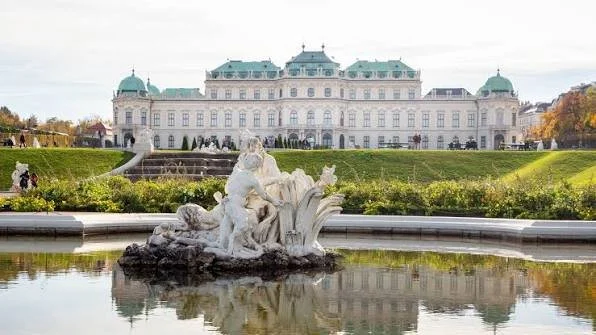
The Belvedere Palace is one of Vienna's most magnificent Baroque landmarks and a masterpiece of Austrian architecture. Comprising the Upper Belvedere, Lower Belvedere, and beautifully landscaped formal gardens, the palace complex is a UNESCO World Heritage Site that attracts visitors from around the world. Renowned for its elegant design, impressive art collections, and stunning city views, the Belvedere Palace offers a perfect blend of history, culture, and natural beauty in the heart of Vienna.
Built in the early 18th century as the summer residence of Prince Eugene of Savoy, the palace was designed by the celebrated Baroque architect Johann Lucas von Hildebrandt. Over the centuries, it has served as a royal residence, an imperial gallery, and one of Austria's most important cultural institutions. The Upper Belvedere is now home to the Austrian Gallery Belvedere, featuring an outstanding collection of art spanning the Middle Ages to the present day, including Gustav Klimt's world-famous masterpiece, The Kiss. The palace also holds historical significance as the site where the Austrian State Treaty was signed in 1955, restoring Austria's sovereignty after World War II.
A visit to the Belvedere Palace is an unforgettable experience for art lovers, history enthusiasts, and photographers alike. Visitors can explore the lavish Baroque interiors, admire masterpieces by Klimt, Schiele, and Monet, and stroll through the beautifully manicured gardens adorned with fountains, sculptures, and ornamental terraces. From the Upper Belvedere, breathtaking views stretch across the gardens toward Vienna's historic skyline, creating one of the city's most iconic vistas. Whether you're discovering world-class art, enjoying the peaceful gardens, or simply admiring the palace's architectural splendour, the Belvedere Palace is an essential highlight of any visit to Vienna.
Location Details
Operating Hours: 10:00am - 6:00pm
Admission: Adult €17,00 Children Free
Location: Josefsplatz 1, 1010 Vienna, Austria
St. Charles Church
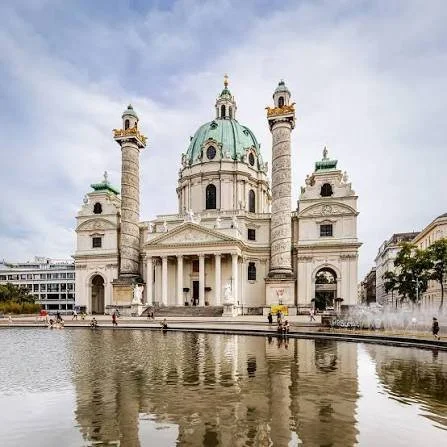
St. Charles's Church (Karlskirche) is one of Vienna's most magnificent Baroque landmarks and among the city's most celebrated architectural masterpieces. Located on Karlsplatz, the church is instantly recognisable by its impressive green copper dome, two towering columns inspired by Trajan's Column in Rome, and richly decorated façade. Combining Baroque grandeur with classical influences, St. Charles's Church is a must-visit destination for anyone interested in architecture, history, art, or sacred music.
Construction of the church began in 1716 after Emperor Charles VI vowed to build it in gratitude for the end of the devastating plague epidemic of 1713. Designed by the renowned architect Johann Bernhard Fischer von Erlach, and completed by his son Joseph Emanuel Fischer von Erlach, the church was consecrated in 1737. Dedicated to Saint Charles Borromeo, the patron saint associated with caring for plague victims, Karlskirche has become one of the finest examples of Baroque architecture in Europe and a lasting symbol of Vienna's resilience and faith.
A visit to St. Charles's Church is an unforgettable experience. Inside, visitors are greeted by an awe-inspiring interior adorned with magnificent frescoes, ornate marble decorations, gilded altars, and an impressive dome. A panoramic elevator allows guests to ascend close to the dome, offering a unique opportunity to admire the spectacular ceiling paintings up close while enjoying sweeping views across the church interior. Throughout the year, the church also hosts classical music concerts, where the remarkable acoustics and historic setting create an unforgettable atmosphere. Whether you're admiring its architecture, attending a performance, or simply enjoying the peaceful surroundings of Karlsplatz, St. Charles's Church is one of Vienna's most treasured cultural and spiritual landmarks.
Vienna Zoo
Tiergarten Schönbrunn, commonly known as the Vienna Zoo, is the world's oldest continuously operating zoo and one of Austria's most popular attractions. Nestled within the magnificent grounds of Schönbrunn Palace, this UNESCO World Heritage Site is home to more than 700 animal species from around the globe. Combining exceptional animal care, conservation, and education with beautiful historic surroundings, Vienna Zoo offers an unforgettable experience for families, wildlife enthusiasts, and visitors of all ages.
Founded in 1752 by Emperor Francis I Stephen, the husband of Empress Maria Theresa, the zoo began as an imperial menagerie designed to house exotic animals for the Habsburg court. Over the centuries, it has evolved into one of Europe's leading zoological gardens, playing a vital role in international breeding and conservation programs for endangered species. Despite its long history, the zoo has continually modernised its habitats, creating spacious and natural environments while preserving its historic charm and architectural heritage.
A visit to Vienna Zoo is a fascinating journey through the world's wildlife. Visitors can discover giant pandas, elephants, polar bears, orangutans, koalas, tigers, and countless other animals in thoughtfully designed habitats that closely resemble their natural environments. Daily feeding sessions, educational presentations, and interactive exhibits provide engaging experiences for both children and adults. Surrounded by the beautiful gardens of Schönbrunn Palace, the zoo offers the perfect combination of history, nature, and conservation, making it one of Vienna's most memorable and rewarding attractions.
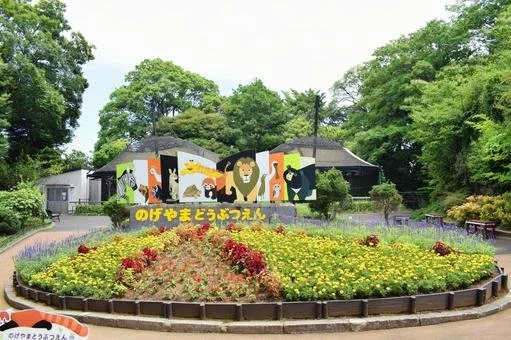
Location Details
Operating Hours: 9:30am - 4:30pm
Closed Mondays
Admission: Free
Location: 63-10 Oimatsucho, Nishi Ward, Yokohama, Kanagawa 220-0032, Japan
Schonbrunn Palace
Schönbrunn Palace is one of Austria's most magnificent landmarks and Vienna's most visited attraction. This spectacular Baroque palace, together with its beautifully landscaped gardens, is a UNESCO World Heritage Site and offers visitors a glimpse into the lavish lifestyle of the Habsburg dynasty. With its striking yellow façade, grand ceremonial rooms, and expansive parklands, Schönbrunn Palace is an essential destination for anyone exploring Vienna's rich imperial history and architectural splendour.
Originally built as a hunting lodge in the 16th century, Schönbrunn was transformed into a magnificent summer residence for the Habsburg imperial family during the 18th century under the reign of Empress Maria Theresa. The palace became the political and cultural heart of the Austrian Empire and later served as the childhood home of Emperor Franz Joseph I, who spent much of his life there. Today, the palace features more than 1,400 rooms, many of which have been beautifully preserved to showcase the opulence of imperial life. Its remarkable history, architecture, and gardens have earned it recognition as one of Europe's finest Baroque palaces.
A visit to Schönbrunn Palace is an unforgettable experience for visitors of all ages. Guests can tour the lavish State Rooms, admire ornate chandeliers, frescoed ceilings, and royal apartments, while learning about the lives of the Habsburg rulers. Outside, the magnificent gardens invite leisurely strolls past fountains, sculptures, colourful flower beds, and the famous Gloriette, which offers breathtaking views across Vienna. Visitors can also enjoy attractions such as the Palm House, the Maze, and the world's oldest continuously operating zoo, Tiergarten Schönbrunn. Whether you're fascinated by history, architecture, or beautifully landscaped gardens, Schönbrunn Palace is a highlight of any visit to Vienna.
Gloriette Schonbrunn
The Gloriette Schönbrunn is one of Vienna's most iconic viewpoints, standing proudly atop the hill overlooking the magnificent Schönbrunn Palace and its formal gardens. This elegant Baroque monument is a defining feature of the palace grounds, offering visitors breathtaking panoramic views across Vienna while showcasing the grandeur of the Habsburg Empire. With its impressive colonnaded design and historic setting, the Gloriette is one of the highlights of any visit to Schönbrunn.
Completed in 1775 during the reign of Empress Maria Theresa, the Gloriette was designed by architect Johann Ferdinand Hetzendorf von Hohenberg as a monument celebrating the strength and glory of the Habsburg monarchy. Rather than serving as a defensive structure, it was intended as a decorative focal point at the highest point of the palace gardens. Over the centuries, the Gloriette has witnessed many historic events and has remained one of Vienna's most recognisable landmarks. Today, it is carefully preserved as part of the UNESCO World Heritage-listed Schönbrunn Palace complex.
Visitors can reach the Gloriette by taking a leisurely walk through the beautifully landscaped palace gardens or by using the panoramic train that operates within the grounds. At the top, the viewing terrace rewards guests with spectacular vistas over Schönbrunn Palace, the formal gardens, fountains, and the Vienna skyline. Inside the monument, a charming café offers the perfect place to relax while enjoying the stunning surroundings. Whether you're interested in history, architecture, photography, or simply soaking up one of Vienna's finest views, the Gloriette provides an unforgettable experience in the heart of the Austrian capital.
Location Details
Operating Hours: 9:30am - 4:30pm
Closed Mondays
Admission: Free
Location: 63-10 Oimatsucho, Nishi Ward, Yokohama, Kanagawa 220-0032, Japan
Location Details
Operating Hours: 24 Hours
Admission: Free
Location: Rennweg 14, 1030 Vienna, Austria
Location Details
Operating Hours: 9:00am - 6:00pm
Admission: Adults €23 Children €18
Location: Prinz-Eugen-Stabe 27, 1030 Vienna, Austria
Prunkstall
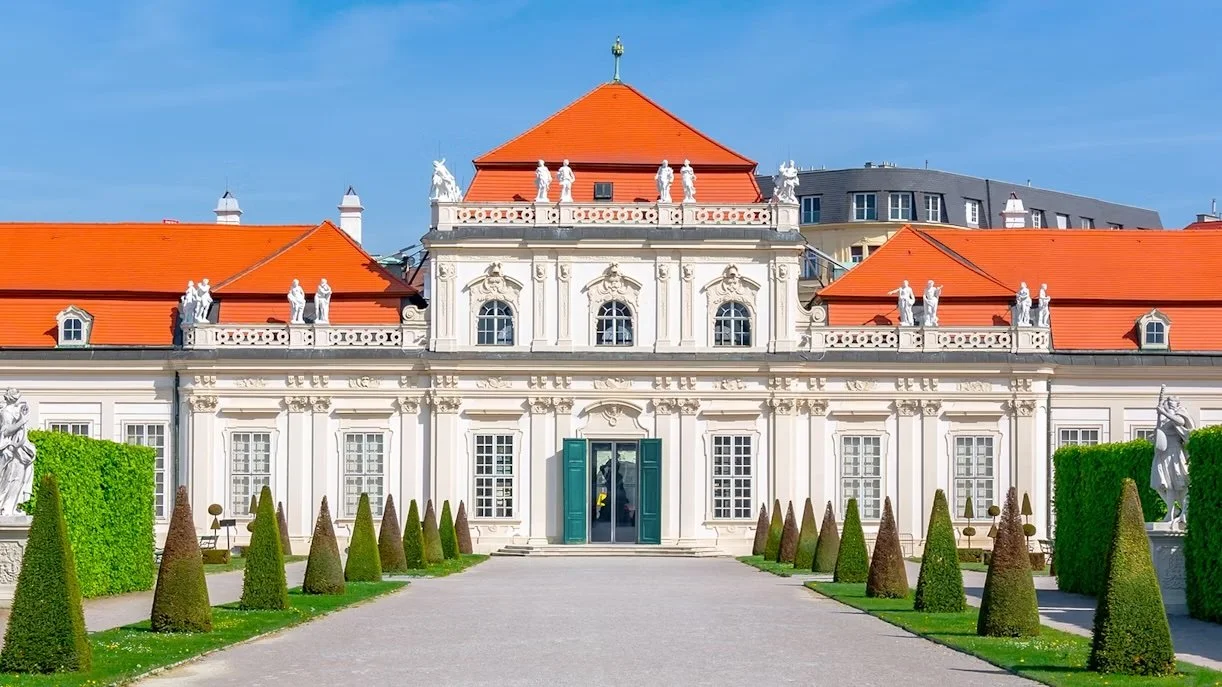
The Prunkstall at the Belvedere is one of Vienna's hidden architectural treasures, located within the historic Lower Belvedere Palace complex. Originally built as the magnificent ceremonial stables for Prince Eugene of Savoy's prized horses, the Prunkstall showcases the grandeur and elegance of Baroque design. Today, this beautifully restored hall forms part of the Belvedere Museum, hosting impressive art exhibitions and cultural events within a setting that reflects the splendour of imperial Vienna.
Constructed in the early 18th century as part of Prince Eugene's lavish palace estate, the Prunkstall was designed by the renowned Baroque architect Johann Lucas von Hildebrandt. Unlike ordinary stables, it was created to impress visiting dignitaries, with richly decorated interiors, soaring vaulted ceilings, and elegant architectural details that reflected the prince's wealth and status. As the Belvedere Palace evolved from a private residence into one of Austria's most important museums, the former ceremonial stables were carefully preserved and adapted as an exhibition space, allowing visitors to experience both their historic significance and architectural beauty.
Today, visitors to the Prunkstall can admire its striking Baroque architecture while exploring rotating exhibitions featuring art, sculpture, and cultural displays presented by the Belvedere Museum. The spacious vaulted hall creates a unique atmosphere where historic architecture blends seamlessly with contemporary exhibitions. Combined with a visit to the Lower and Upper Belvedere palaces and their beautifully landscaped gardens, the Prunkstall offers a fascinating insight into Vienna's aristocratic past while providing a memorable cultural experience for art lovers, history enthusiasts, and architecture admirers alike.
Location Details
Operating Hours: 9:00am - 6:00pm
Admission: Adults €17,00 Children Free
Location: Karlsplatz 10, 1040 Vienna, Austria
Albertina
The Albertina is one of Vienna's most prestigious art museums, celebrated for its remarkable collection of graphic art, paintings, and historic state rooms. Located beside the Vienna State Opera in the heart of the city, the museum combines centuries of artistic heritage with contemporary exhibitions, making it one of Austria's premier cultural attractions. Housed within a magnificent former Habsburg palace, the Albertina offers visitors an inspiring journey through the worlds of art, history, and architecture.
Founded in 1776 by Duke Albert of Saxe-Teschen, the Albertina began as a private collection of prints and drawings that has since grown into one of the largest and most important graphic art collections in the world. Today, the museum holds more than one million prints and around 65,000 drawings, including masterpieces by artists such as Albrecht Dürer, Michelangelo, Raphael, Rembrandt, Monet, Picasso, and Klimt. Alongside its renowned permanent collection, the Albertina regularly hosts world-class temporary exhibitions featuring both classical and modern artists.
A visit to the Albertina is an unforgettable cultural experience. Visitors can explore beautifully restored Habsburg State Rooms, admire internationally acclaimed artworks, and enjoy thoughtfully curated exhibitions that span more than six centuries of artistic achievement. The museum's elegant architecture, spacious galleries, and panoramic terrace overlooking Vienna's historic centre make it an ideal destination for art lovers and photographers alike. Whether you're discovering Renaissance masterpieces, Impressionist paintings, or contemporary works, the Albertina offers a rich and rewarding experience that captures the artistic spirit of Vienna.
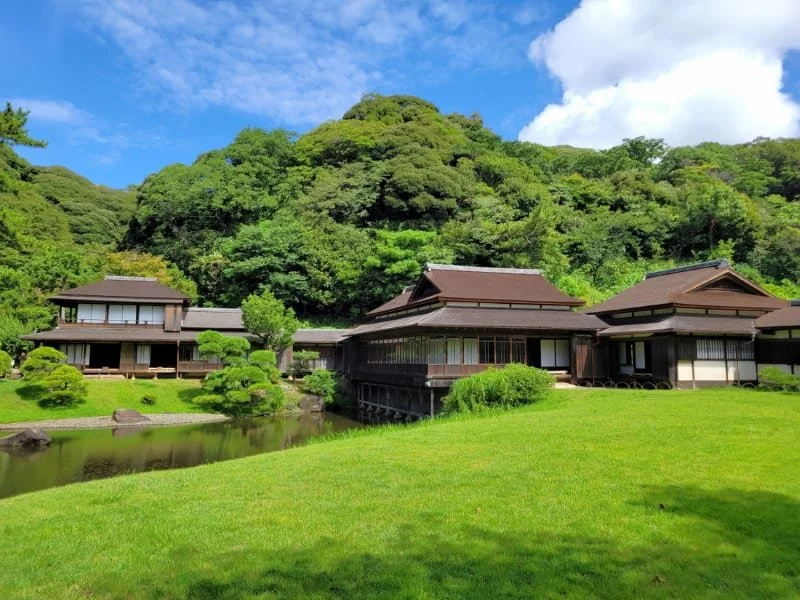
Location Details
Operating Hours: 9:00am - 5:00pm
Admission: Adults ¥900 Children ¥200
Location: 58-1 Honmokusannotani, Naka Ward, Yokohama, Kanagawa 231-0824, Japan
Discover more Frankfurt with our Patreon Community
Ready to explore more of Frankfurt with confidence? Join our Patreon community and unlock exclusive travel videos, travel guides and carefully crafted itineraries designed to help you discover more of Frankfurt, its amazing destinations, hidden gems, and unforgettable experiences. Interact with the Let’s Go Explore community to discuss and discover travel adventures. Whether you're planning your next adventure or just dreaming about it, we’ll help you travel smarter, easier, and with more excitement every step of the way.





Discover the Coastal Charm of Yokohama – A Perfect Blend of City Life and Waterfront Views ⚓🇯🇵
Explore the vibrant port city of Yokohama, known for its scenic waterfront, international influences, and fantastic food scene. In this edition of the Lets Go Explore travel newsletter, we highlight the foods you can’t miss—from delicious ramen in Japan’s famous Chinatown to fresh seafood and local favourites loved by visitors and locals alike. We’ll also guide you through the easiest ways to get around the city using trains, buses, and walkable waterfront routes.
Inside, you’ll find our Top 5 sightseeing ideas, a carefully planned 3-day itinerary, and seasonal travel inspiration to help you experience Yokohama at its best—whether it’s spring flower festivals, summer bay cruises, colourful autumn events, or sparkling winter illuminations. Discover exactly why Yokohama belongs on your travel list and how to make the most of your visit to this stylish and welcoming coastal city.
Discover the Flavours of Yokohama – A Waterfront City Full of Culinary Surprises 🍜🥟🇯🇵
Get ready to explore the diverse food scene of Yokohama, a vibrant port city known for its international influences and famous dining districts. In this Lets Go Explore food guide, we highlight the must-eat local dishes and show you exactly where to find them—from delicious ramen and Chinese-inspired specialties in the city’s bustling food streets to fresh seafood and popular local favourites. You’ll also discover the sweet treats you shouldn’t miss, along with well-loved local favourites that make Yokohama a standout destination for food lovers.
Don’t forget the drinks—this guide features the best local beverages to try, from regional craft beers and sake to refreshing drinks enjoyed along the waterfront. Discover exactly why Yokohama belongs on your food travel list and how to turn every meal into a memorable part of your visit.
Where to Stay in Yokohama – Waterfront Views and Relaxed City Living ⚓🏨🇯🇵
Discover the best places to stay in Yokohama, a stylish port city known for its scenic waterfront, vibrant dining scene, and easy access to nearby Tokyo. In this Lets Go Explore accommodation guide, we highlight the best areas to stay—whether you prefer lively waterfront districts, convenient locations near major train stations, or quieter neighbourhoods with great local charm. You’ll explore the different types of accommodation the city has to offer, from luxury hotels with stunning bay views to comfortable mid-range stays and budget-friendly options.
We also share helpful seasonal tips to help you choose the right location depending on the time of year, along with practical booking tips to secure the best deals and availability. Discover exactly why Yokohama is a great place to stay, with its relaxed atmosphere, excellent transport connections, and wide range of accommodation options for every type of traveler.
Getting Around Yokohama – Simple Travel Along the Waterfront City 🚇🚢🇯🇵
Explore Yokohama with ease using its modern and well-connected transportation system. In this Lets Go Explore transportation guide, we cover all the different types of transport the city has to offer—from trains and subways to buses, ferries, and convenient connections to nearby Tokyo—so you’ll know exactly how to move around the city and reach its top attractions without stress.
You’ll also learn how to pay for transportation using IC cards, tickets, and travel passes, along with helpful tips to make navigating stations and routes quick and straightforward. Discover exactly why Yokohama is easy to explore, thanks to its compact layout, reliable transport options, and many walkable waterfront districts that make getting around both simple and enjoyable.
Saitama Surprises: Discover Tokyo’s Laid-Back Neighbour with Big Experiences 🚆🌸🏯
Explore the charm and convenience of Saitama with a sightseeing guide designed to help you uncover one of Japan’s most accessible and underrated destinations just beyond Tokyo. Inside, you’ll find must-visit spots and exactly where to find them, from historic districts and scenic parks to family-friendly attractions and cultural landmarks. We also highlight local hidden gems and favourite neighbourhood spots where you can experience authentic local life away from the crowds. The guide showcases seasonal highlights—from spring cherry blossoms and lively summer festivals to autumn colours and winter illuminations—along with easy day trips from Saitama to nearby mountains, traditional towns, and major attractions in the greater Tokyo area. Whether you're looking for history, relaxation, or convenient adventures, this guide explains why Saitama belongs on your travel list and helps you make the most of your visit.