Lille
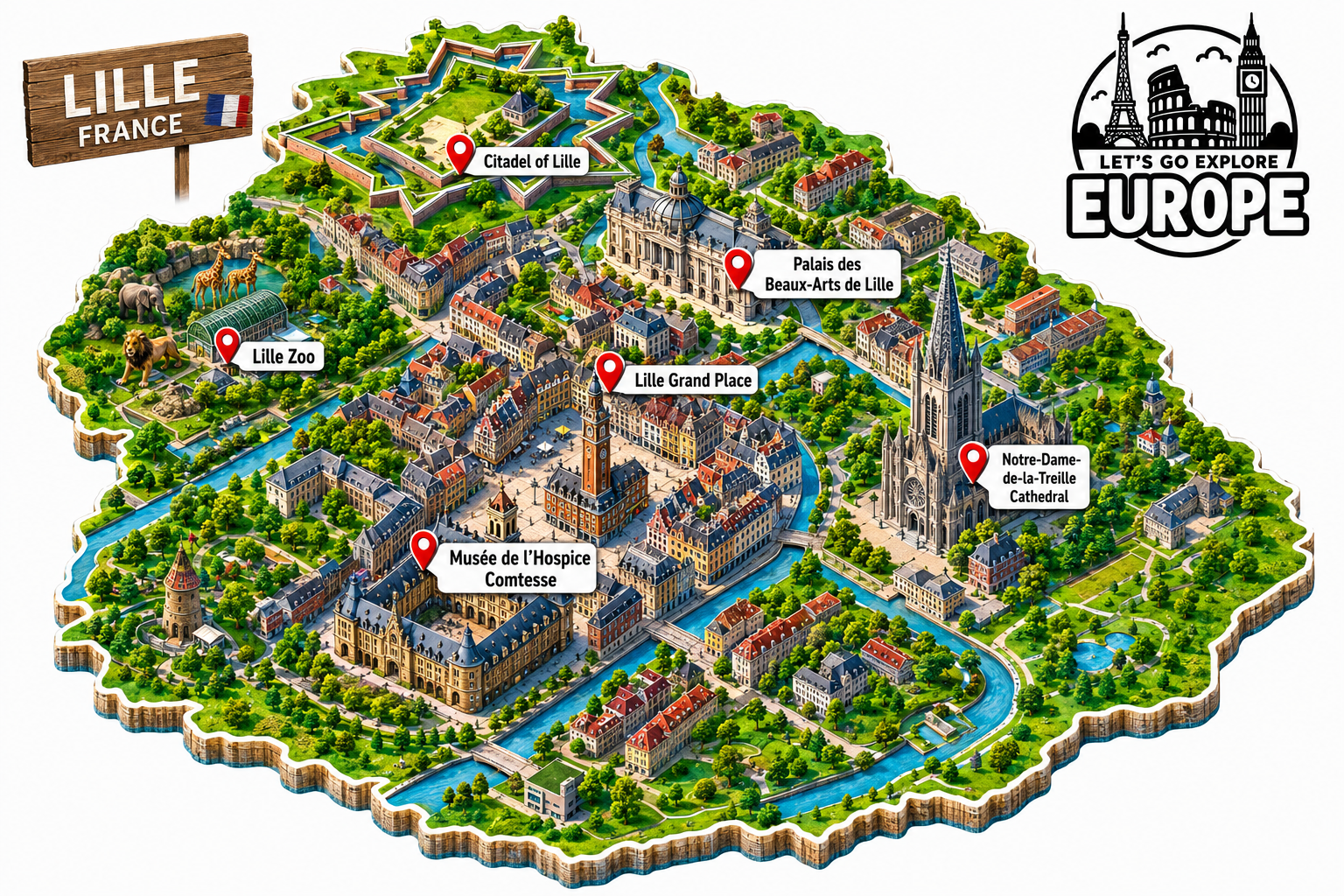
Lille, located in northern France near the Belgian border, is a charming and vibrant city known for its beautiful historic architecture, lively squares and distinctive Flemish influence. As the capital of the Hauts-de-France region, Lille offers visitors a fascinating blend of French and Flemish culture, reflected in its colourful buildings, local cuisine and welcoming atmosphere. The heart of the city is Vieux-Lille, the historic old town, where cobbled streets are lined with elegant 17th- and 18th-century buildings, independent boutiques, cafés and restaurants. Visitors can admire the impressive Grand Place, explore the atmospheric streets around the Old Stock Exchange and discover the striking Palais des Beaux-Arts, one of France’s most important art museums. Lille is also a city of lively markets, cultural events and traditional food, making it an enjoyable destination for travellers looking to experience a different side of France. Its compact centre and excellent rail connections also make Lille an ideal base for exploring northern France and nearby Belgium.
Lille has a fascinating history shaped by its position between France and the historic territories of Flanders. The city developed during the Middle Ages and grew into an important centre of trade and commerce, particularly through its textile industry. Over the centuries, Lille changed hands between powerful European rulers and was influenced by both French and Flemish traditions before becoming permanently part of France in the late 17th century during the reign of Louis XIV. The city’s strategic importance led to the construction of impressive defensive works, including the Citadel of Lille, designed by the famous military engineer Vauban. Lille continued to prosper as an industrial and commercial centre during the 19th century, particularly through textile manufacturing, and its economy and population expanded significantly. Today, traces of this rich past can be seen throughout the city, from its Flemish-style architecture and historic squares to its former industrial buildings and grand civic landmarks. Combined with its thriving arts scene, excellent food and distinctive northern French character, Lille offers visitors a memorable opportunity to experience a city where French and Flemish heritage have come together for centuries.
Citadel Of Lille
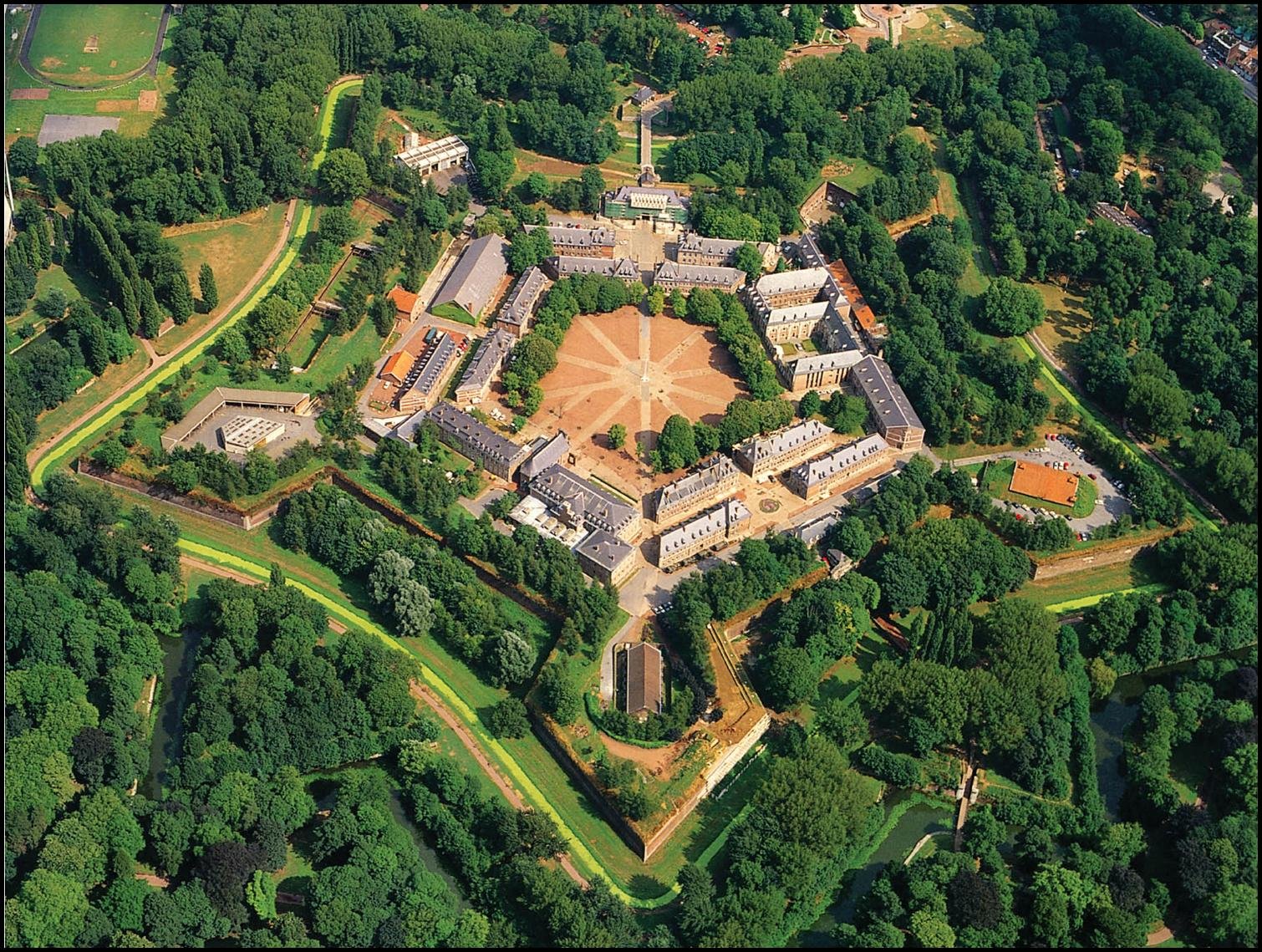
The Citadel of Lille (Citadelle de Lille) is one of France's finest examples of military architecture and a remarkable symbol of the city's rich history. Surrounded by expansive parklands and the peaceful Deûle River, this impressive star-shaped fortress is often referred to as the "Queen of the Citadels." Designed with both strength and elegance, it remains one of Lille's most iconic landmarks and a testament to the engineering brilliance of the 17th century.
Construction of the Citadel began in 1667 following the conquest of Lille by King Louis XIV during the War of Devolution. The fortress was designed by the renowned military engineer Sébastien Le Prestre de Vauban, whose innovative star-fort designs revolutionised defensive architecture across Europe. Completed in 1670, the Citadel was built to protect France's northern frontier and quickly became one of Vauban's greatest masterpieces. Remarkably, it continues to serve as an active military installation while preserving its historic significance and architectural integrity.
Although access to the interior is limited because the Citadel remains an operational military site, visitors can enjoy the beautiful surrounding parklands, scenic walking and cycling paths, and panoramic views of the fortress's impressive ramparts, moats, and bastions. The nearby Bois de Boulogne park offers peaceful lakes, gardens, playgrounds, and cafés, making the area a favourite destination for both locals and tourists. Whether you're fascinated by military history, architecture, or simply looking for a relaxing outdoor experience, the Citadel of Lille offers a memorable glimpse into one of France's greatest engineering achievements.
Location Details
Operating Hours: 10:00am - 6:00pm
Admission: Adults €6.00 Children €3.00
Location: Allee Arlette Gruss, 59000 Lille, France
Lille Zoo
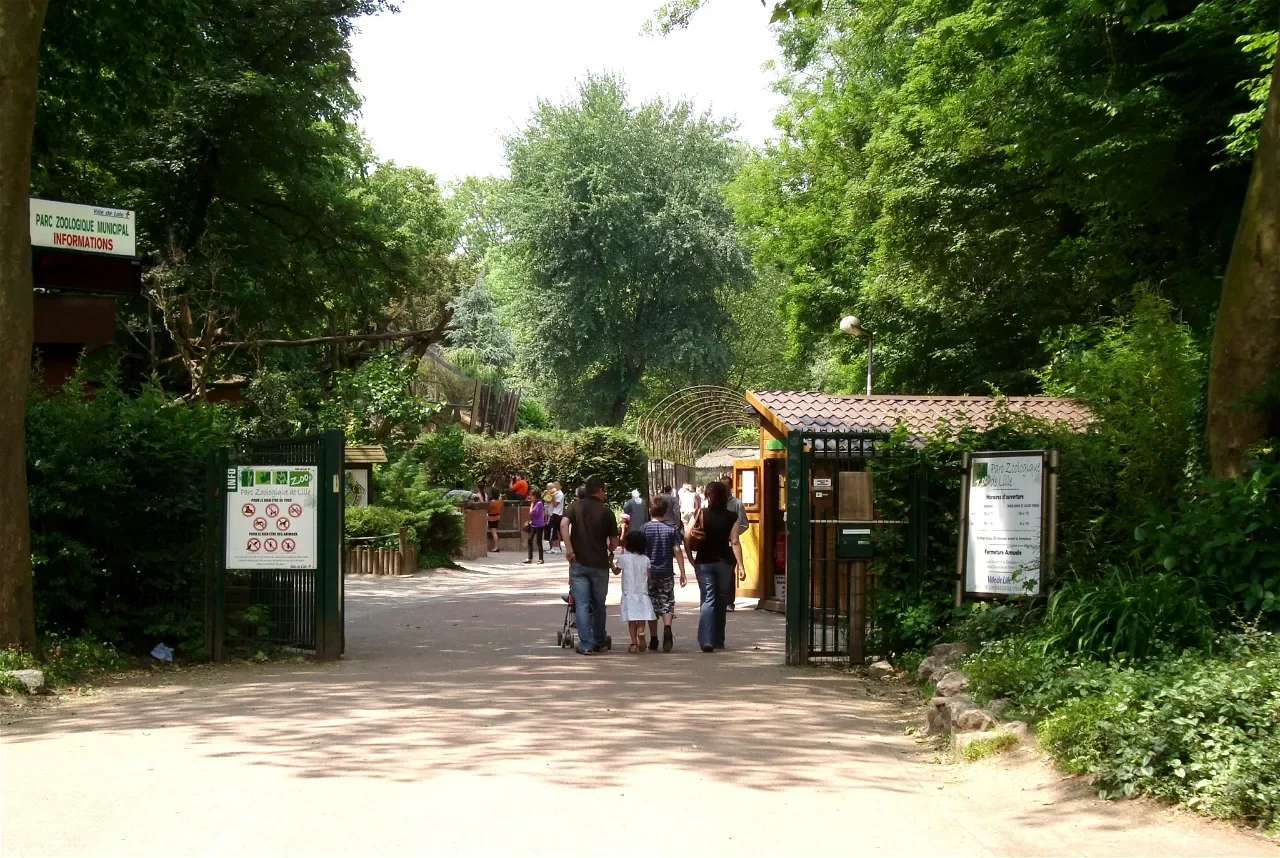
Lille Zoo (Zoo de Lille) is one of the city's most popular family attractions, offering visitors the opportunity to discover a diverse collection of wildlife in a peaceful setting beside the historic Citadel of Lille. Nestled within the beautiful Bois de Boulogne park, the zoo is home to more than 100 animal species from around the world, including primates, big cats, reptiles, birds, and endangered animals. Combining conservation, education, and recreation, Lille Zoo provides an enjoyable experience for visitors of all ages.
The zoo first opened in 1950 as a small municipal zoological garden and has steadily expanded into one of France's most respected regional zoos. Over the decades, it has developed modern habitats designed to promote animal welfare while participating in international conservation and breeding programmes for endangered species. Its commitment to wildlife protection, education, and environmental awareness has made Lille Zoo an important centre for conservation, attracting both local residents and visitors from across Europe.
A visit to Lille Zoo is both relaxing and educational. Visitors can stroll along shaded pathways through thoughtfully designed animal habitats, observe fascinating wildlife up close, and learn about global conservation efforts through informative displays and interactive exhibits. The zoo's compact layout makes it easy to explore in just a few hours, while its location beside the Citadel and surrounding parklands creates the perfect setting for a full day outdoors. Whether you're travelling with family, photographing wildlife, or simply enjoying a peaceful walk surrounded by nature, Lille Zoo offers one of the city's most memorable and accessible attractions.
Location Details
Operating Hours: Pre-booked tours only
Admission: €13.00 per Tour
Location: Avenue du 43e Régiment d'Infanterie, 59000 Lille, France
Palais des Beaux-Arts de Lille
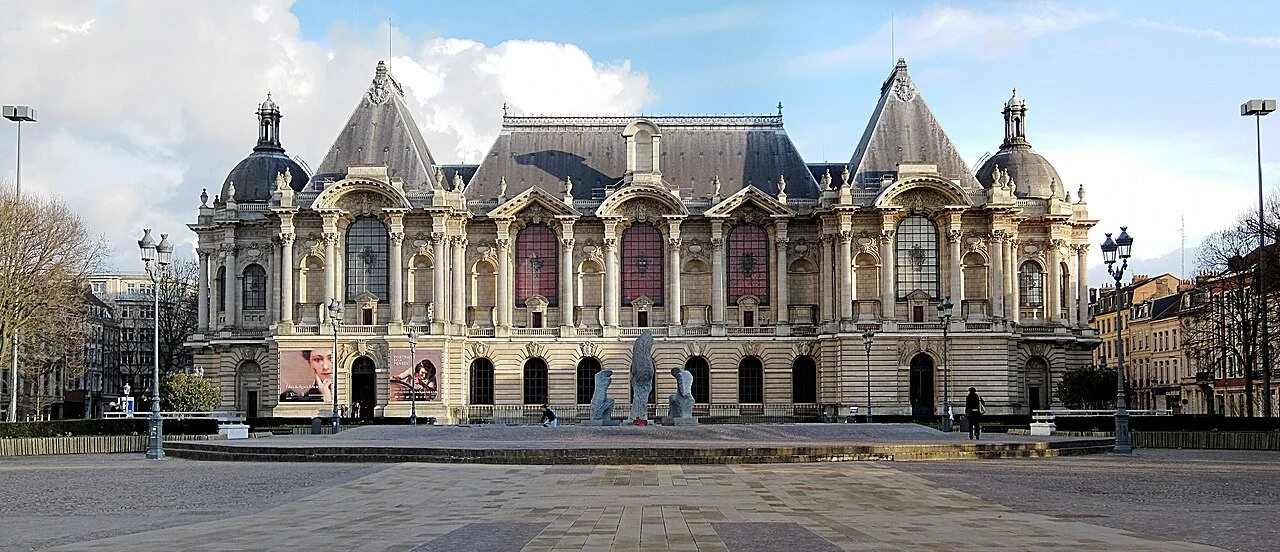
The Palais des Beaux-Arts de Lille is one of France's largest and most prestigious fine arts museums, second only to the Louvre in the breadth of its collections. Located in the heart of Lille on the elegant Place de la République, the museum is renowned for its magnificent Beaux-Arts architecture and exceptional collections of European paintings, sculptures, ceramics, drawings, and antiquities. It is a cultural landmark that attracts art lovers and history enthusiasts from around the world.
The museum was founded in 1801 by order of Napoleon Bonaparte as one of several regional museums created to display artworks transferred from Paris after the French Revolution. Its current grand building, designed in the Beaux-Arts style, opened in 1892, providing an impressive home for the rapidly expanding collection. Today, the museum houses masterpieces by celebrated artists including Rubens, Van Dyck, Goya, Delacroix, Monet, Rodin, and many others. One of its most distinctive features is its remarkable collection of large-scale relief models of fortified towns, offering fascinating insight into France's military and urban history.
A visit to the Palais des Beaux-Arts de Lille is an inspiring journey through centuries of artistic achievement. Visitors can wander through elegant galleries filled with Renaissance masterpieces, Impressionist paintings, classical sculptures, and decorative arts while enjoying beautifully curated exhibitions. The museum's spacious layout, stunning architecture, and informative displays make it easy to appreciate both famous works and lesser-known treasures. Whether you're an avid art enthusiast, a student of history, or simply looking to experience one of France's finest museums, the Palais des Beaux-Arts offers an unforgettable cultural experience in the heart of Lille.
Grand Place
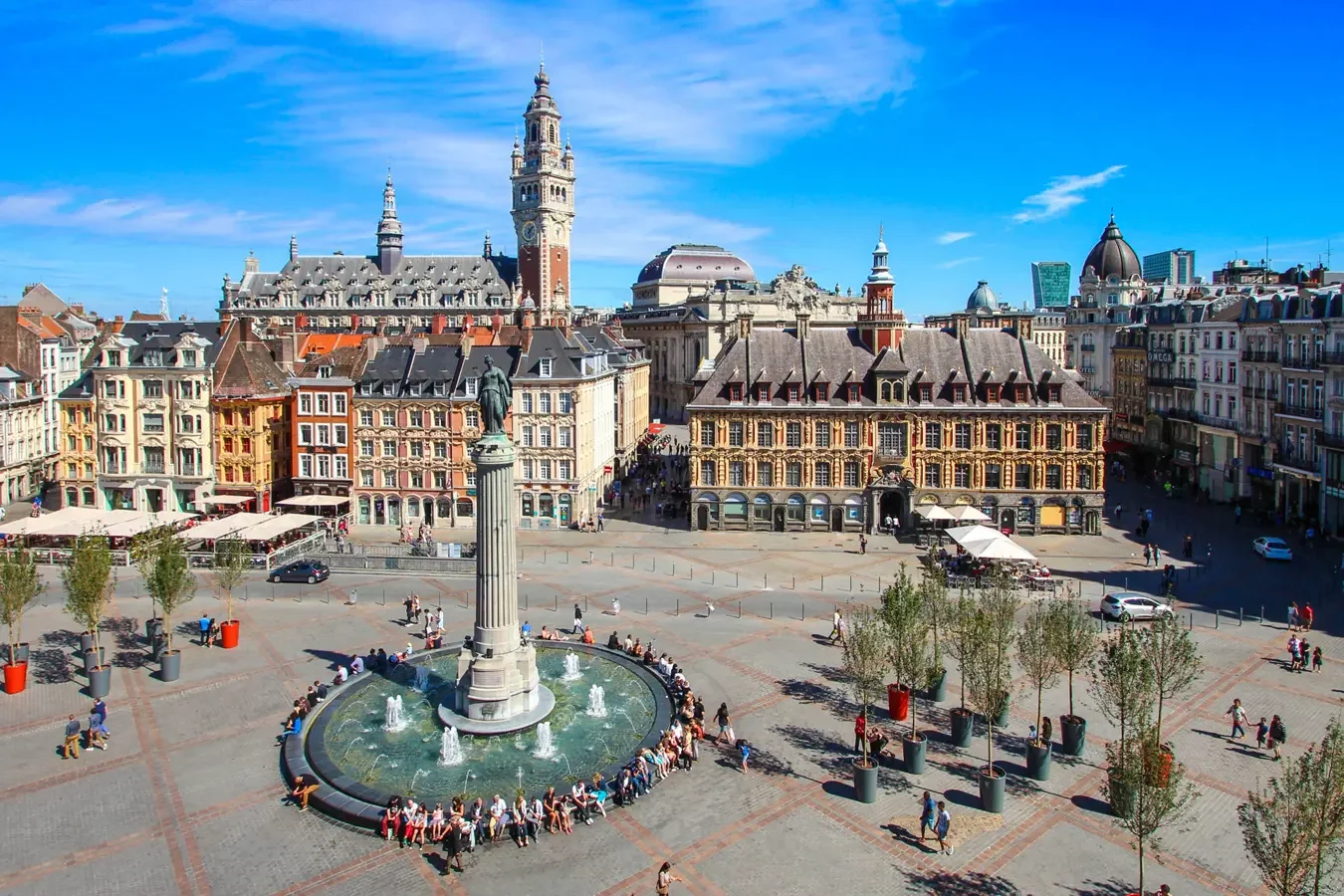
The Grand Place, officially known as Place du Général-de-Gaulle, is the vibrant heart of Lille and one of the city's most iconic gathering places. Surrounded by elegant Flemish and French-inspired architecture, lively cafés, boutiques, and historic landmarks, the square perfectly captures the charm and character of northern France. Whether you're enjoying the bustling atmosphere, admiring the beautifully restored façades, or simply watching the world go by, the Grand Place is an essential stop for anyone visiting Lille.
The square has served as Lille's commercial and social centre since the Middle Ages, when it hosted bustling markets, public celebrations, and important civic events. Over the centuries, it became the focal point of the city's growth and prosperity, reflecting Lille's unique position between French and Flemish cultures. At its centre stands the Goddess Column (Colonne de la Déesse), erected in 1845 to commemorate the courage and resilience of Lille's citizens during the Austrian siege of 1792. Today, the surrounding buildings—including the historic Old Stock Exchange (Vieille Bourse)—remain outstanding examples of the city's rich architectural heritage.
Visitors to the Grand Place can soak up the lively atmosphere while exploring nearby attractions, shopping streets, and cultural landmarks. Outdoor cafés and restaurants provide the perfect place to relax with a coffee or sample regional cuisine, while street performers and seasonal events bring the square to life throughout the year. Just a short stroll away are many of Lille's most famous attractions, making the Grand Place an ideal starting point for discovering the city. Whether you're interested in history, architecture, shopping, or simply enjoying the local atmosphere, Lille's Grand Place offers an unforgettable experience at the heart of the city.
Location Details
Operating Hours: 10:00am - 6:00pm
Admission: Free
Location: Place Gilleson, 59800 Lille, France
Musée de l'Hospice Comtesse
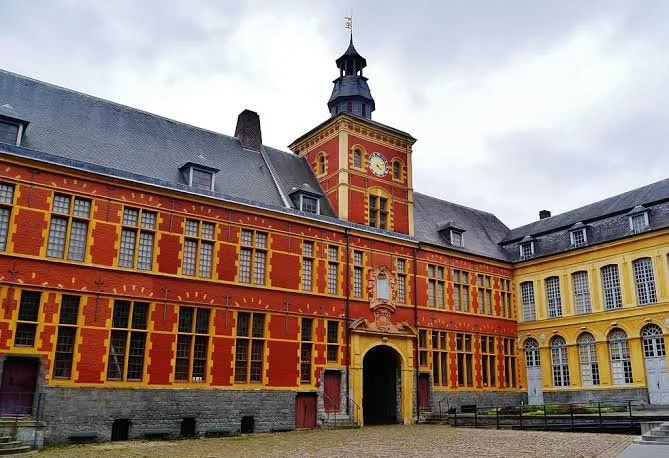
The Musée de l'Hospice Comtesse is one of Lille's most captivating historical museums, offering visitors a fascinating glimpse into the city's medieval past. Nestled in the heart of Lille's charming Old Town, the museum is housed within a beautifully preserved former hospital that combines Flemish architecture, peaceful courtyards, and centuries of local history. Through its authentic interiors, fine art, and historical collections, the museum tells the story of everyday life in Lille from the Middle Ages through to the 18th century.
The Hospice Comtesse was founded in 1237 by Joan, Countess of Flanders, to provide care for the sick, poor, and pilgrims. Over the centuries, the hospital expanded and evolved, with many of its current buildings dating from the 15th to 18th centuries after reconstruction following fires and periods of redevelopment. In the 20th century, the complex was carefully restored and transformed into a museum, preserving its rich architectural heritage while showcasing collections of Flemish paintings, antique furniture, tapestries, ceramics, and religious artefacts that reflect Lille's cultural history.
Visitors to the Musée de l'Hospice Comtesse can wander through historic hospital wards, a traditional apothecary, the elegant chapel, peaceful gardens, and beautifully furnished living quarters that recreate life in centuries past. Informative exhibitions and carefully restored rooms provide insight into medieval healthcare, religious life, and the traditions of Flanders. The museum's quiet atmosphere offers a welcome contrast to the bustling streets of Old Lille, making it an ideal destination for history enthusiasts, architecture lovers, and anyone seeking a deeper understanding of the city's remarkable heritage.
Location Details
Operating Hours: 10:00am - 6:00pm
Closed Tuesdays
Admission: Adult €7.00 Children €4.00
Location: Place de la Republique, 59000 Lille, France
Location Details
Operating Hours: 24 Hours
Admission: Free
Location: Place du General de Gaulle, 59000 Lille, France
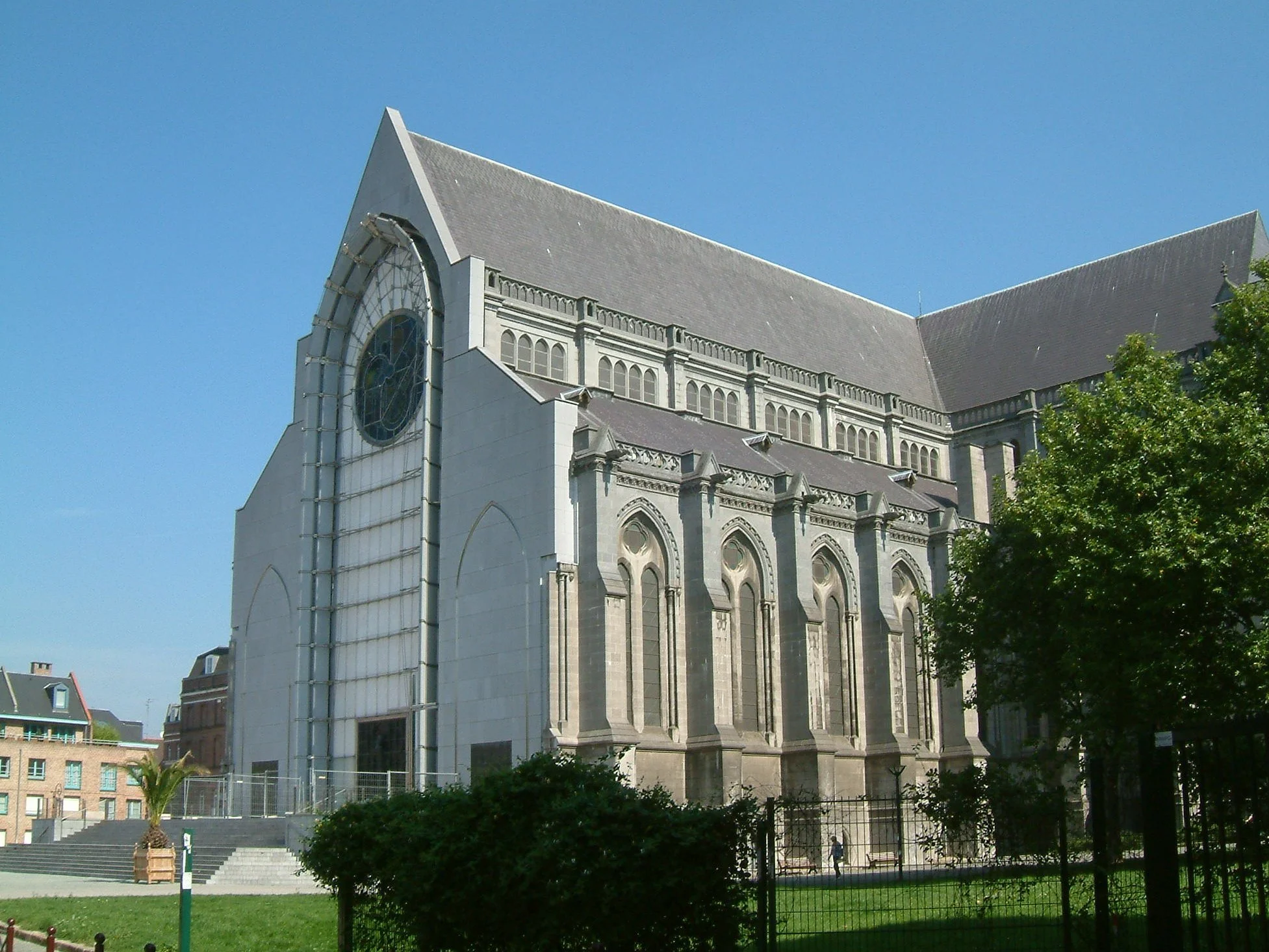
Notre-Dame-de-la-Treille Cathedral
Notre-Dame-de-la-Treille Cathedral is one of Lille's most distinctive landmarks, blending traditional Gothic architecture with striking contemporary design. Located in the heart of the city's historic centre, the cathedral is dedicated to Our Lady of the Treille, the patron saint of Lille. Its remarkable façade, crafted from translucent marble and glass, creates a dramatic first impression and sets it apart as one of France's most unique cathedrals. Combining centuries of history with modern innovation, it is an essential stop for visitors exploring Lille.
Construction of the cathedral began in 1854, inspired by the growing devotion to the revered statue of Our Lady of the Treille and the desire to create a grand place of worship for the city. Progress was slow due to financial and political challenges, and the cathedral remained unfinished for more than a century. It was finally completed in 1999, when its modern façade, designed by architect Pierre-Louis Carlier, was added. This bold architectural addition beautifully complements the historic Gothic structure while symbolising the connection between Lille's rich heritage and its forward-looking spirit.
Visitors to Notre-Dame-de-la-Treille Cathedral can admire its soaring vaulted ceilings, elegant stained-glass windows, peaceful chapels, and impressive pipe organ. The cathedral's unique marble façade glows beautifully as natural light filters through it, creating a warm and tranquil atmosphere inside. Informative displays share the story of its long construction and religious significance, while its central location makes it easy to combine with a walk through Lille's charming Old Town. Whether you're interested in architecture, history, photography, or quiet reflection, Notre-Dame-de-la-Treille Cathedral offers an inspiring and memorable experience in the heart of Lille.
Location Details
Operating Hours: 10:00am - 6:00pm
Closed Tuesdays
Admission: Adults €5 Children Free
Location: 32 Rue de la Monnaie, 59800 Lille, France
Discover more Lille with our Patreon Community
Ready to explore more of Lille with confidence? Join our Patreon community and unlock exclusive travel videos, travel guides and carefully crafted itineraries designed to help you discover more of Lille, its amazing destinations, hidden gems, and unforgettable experiences. Interact with the Let’s Go Explore community to discuss and discover travel adventures. Whether you're planning your next adventure or just dreaming about it, we’ll help you travel smarter, easier, and with more excitement every step of the way.





Discover the Coastal Charm of Yokohama – A Perfect Blend of City Life and Waterfront Views ⚓🇯🇵
Explore the vibrant port city of Yokohama, known for its scenic waterfront, international influences, and fantastic food scene. In this edition of the Lets Go Explore travel newsletter, we highlight the foods you can’t miss—from delicious ramen in Japan’s famous Chinatown to fresh seafood and local favourites loved by visitors and locals alike. We’ll also guide you through the easiest ways to get around the city using trains, buses, and walkable waterfront routes.
Inside, you’ll find our Top 5 sightseeing ideas, a carefully planned 3-day itinerary, and seasonal travel inspiration to help you experience Yokohama at its best—whether it’s spring flower festivals, summer bay cruises, colourful autumn events, or sparkling winter illuminations. Discover exactly why Yokohama belongs on your travel list and how to make the most of your visit to this stylish and welcoming coastal city.
Discover the Flavours of Yokohama – A Waterfront City Full of Culinary Surprises 🍜🥟🇯🇵
Get ready to explore the diverse food scene of Yokohama, a vibrant port city known for its international influences and famous dining districts. In this Lets Go Explore food guide, we highlight the must-eat local dishes and show you exactly where to find them—from delicious ramen and Chinese-inspired specialties in the city’s bustling food streets to fresh seafood and popular local favourites. You’ll also discover the sweet treats you shouldn’t miss, along with well-loved local favourites that make Yokohama a standout destination for food lovers.
Don’t forget the drinks—this guide features the best local beverages to try, from regional craft beers and sake to refreshing drinks enjoyed along the waterfront. Discover exactly why Yokohama belongs on your food travel list and how to turn every meal into a memorable part of your visit.
Where to Stay in Yokohama – Waterfront Views and Relaxed City Living ⚓🏨🇯🇵
Discover the best places to stay in Yokohama, a stylish port city known for its scenic waterfront, vibrant dining scene, and easy access to nearby Tokyo. In this Lets Go Explore accommodation guide, we highlight the best areas to stay—whether you prefer lively waterfront districts, convenient locations near major train stations, or quieter neighbourhoods with great local charm. You’ll explore the different types of accommodation the city has to offer, from luxury hotels with stunning bay views to comfortable mid-range stays and budget-friendly options.
We also share helpful seasonal tips to help you choose the right location depending on the time of year, along with practical booking tips to secure the best deals and availability. Discover exactly why Yokohama is a great place to stay, with its relaxed atmosphere, excellent transport connections, and wide range of accommodation options for every type of traveler.
Getting Around Yokohama – Simple Travel Along the Waterfront City 🚇🚢🇯🇵
Explore Yokohama with ease using its modern and well-connected transportation system. In this Lets Go Explore transportation guide, we cover all the different types of transport the city has to offer—from trains and subways to buses, ferries, and convenient connections to nearby Tokyo—so you’ll know exactly how to move around the city and reach its top attractions without stress.
You’ll also learn how to pay for transportation using IC cards, tickets, and travel passes, along with helpful tips to make navigating stations and routes quick and straightforward. Discover exactly why Yokohama is easy to explore, thanks to its compact layout, reliable transport options, and many walkable waterfront districts that make getting around both simple and enjoyable.
Saitama Surprises: Discover Tokyo’s Laid-Back Neighbour with Big Experiences 🚆🌸🏯
Explore the charm and convenience of Saitama with a sightseeing guide designed to help you uncover one of Japan’s most accessible and underrated destinations just beyond Tokyo. Inside, you’ll find must-visit spots and exactly where to find them, from historic districts and scenic parks to family-friendly attractions and cultural landmarks. We also highlight local hidden gems and favourite neighbourhood spots where you can experience authentic local life away from the crowds. The guide showcases seasonal highlights—from spring cherry blossoms and lively summer festivals to autumn colours and winter illuminations—along with easy day trips from Saitama to nearby mountains, traditional towns, and major attractions in the greater Tokyo area. Whether you're looking for history, relaxation, or convenient adventures, this guide explains why Saitama belongs on your travel list and helps you make the most of your visit.