Nagasaki
Nagasaki is a picturesque port city shaped by rolling hills, sheltered bays, and a uniquely international atmosphere. Unlike many Japanese cities, Nagasaki’s streets reflect centuries of global influence, visible in its architecture, cuisine, and cultural landmarks. With scenic viewpoints, historic districts, and a relaxed coastal pace, the city offers travelers a rich blend of beauty, history, and everyday life.
Historically, Nagasaki holds a singular place in Japan’s story. During the Edo period, it was the country’s only port open to foreign trade, serving as Japan’s sole window to the outside world through limited exchanges with Dutch and Chinese merchants. This role fostered a deep tradition of cultural exchange that still defines the city today. In 1945, Nagasaki became the second city devastated by an atomic bombing, a tragedy that reshaped its future. Rebuilt with a strong commitment to peace and remembrance, modern Nagasaki stands as a powerful symbol of resilience, coexistence, and the lasting impact of history.
Peace Memorial Park
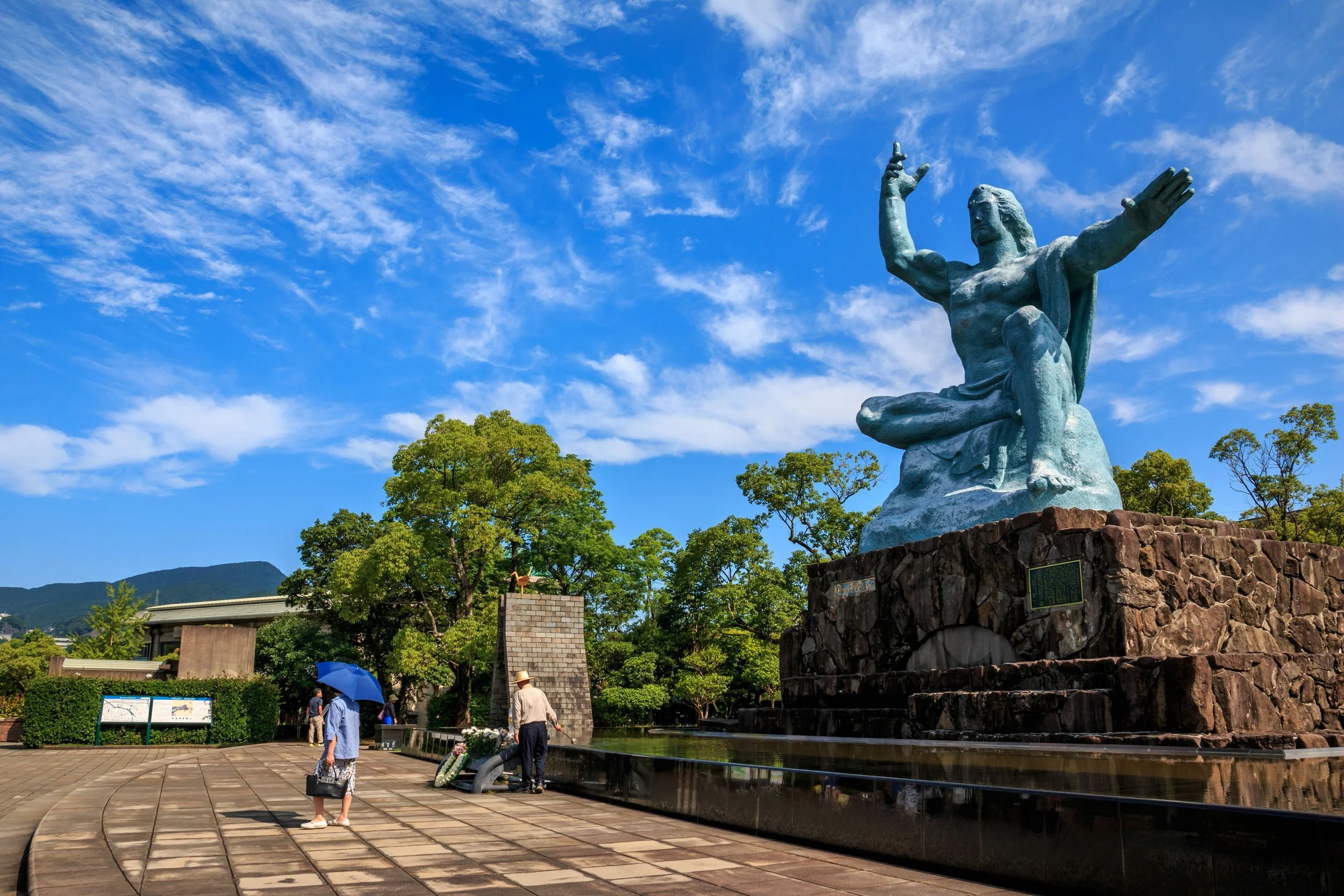
Located in northern Nagasaki City, Nagasaki Peace Memorial Park is a solemn and deeply moving place dedicated to peace, remembrance, and hope. Open green spaces, memorial monuments, and quiet walkways create an atmosphere that encourages reflection, while the iconic Peace Statue stands as a powerful symbol of humanity’s wish for a world free from nuclear weapons. The park offers visitors a calm setting to pause and contemplate the value of peace.
The park stands near the site where an atomic bomb was dropped on August 9, 1945, devastating Nagasaki during the final days of World War II. In the years following the war, the area was carefully transformed from ruins into a space for remembrance and healing. The Peace Memorial Park was established to honor the victims of the bombing and to serve as a reminder of the tragic consequences of war and nuclear conflict.
Today, Nagasaki Peace Memorial Park plays an important role in global peace education. Memorial ceremonies are held annually, and visitors from around the world come to learn, reflect, and pay their respects. Together with nearby museums and memorials, the park offers traveler’s a profound insight into Nagasaki’s history while delivering a universal message—one that calls for compassion, understanding, and a lasting commitment to peace.
Location Details
Operating Hours: 24 Hours
Admission: Free
Location: 5 Matsuyamamachi, Nagasaki, 852-8118, Japan
Hypercenter Park
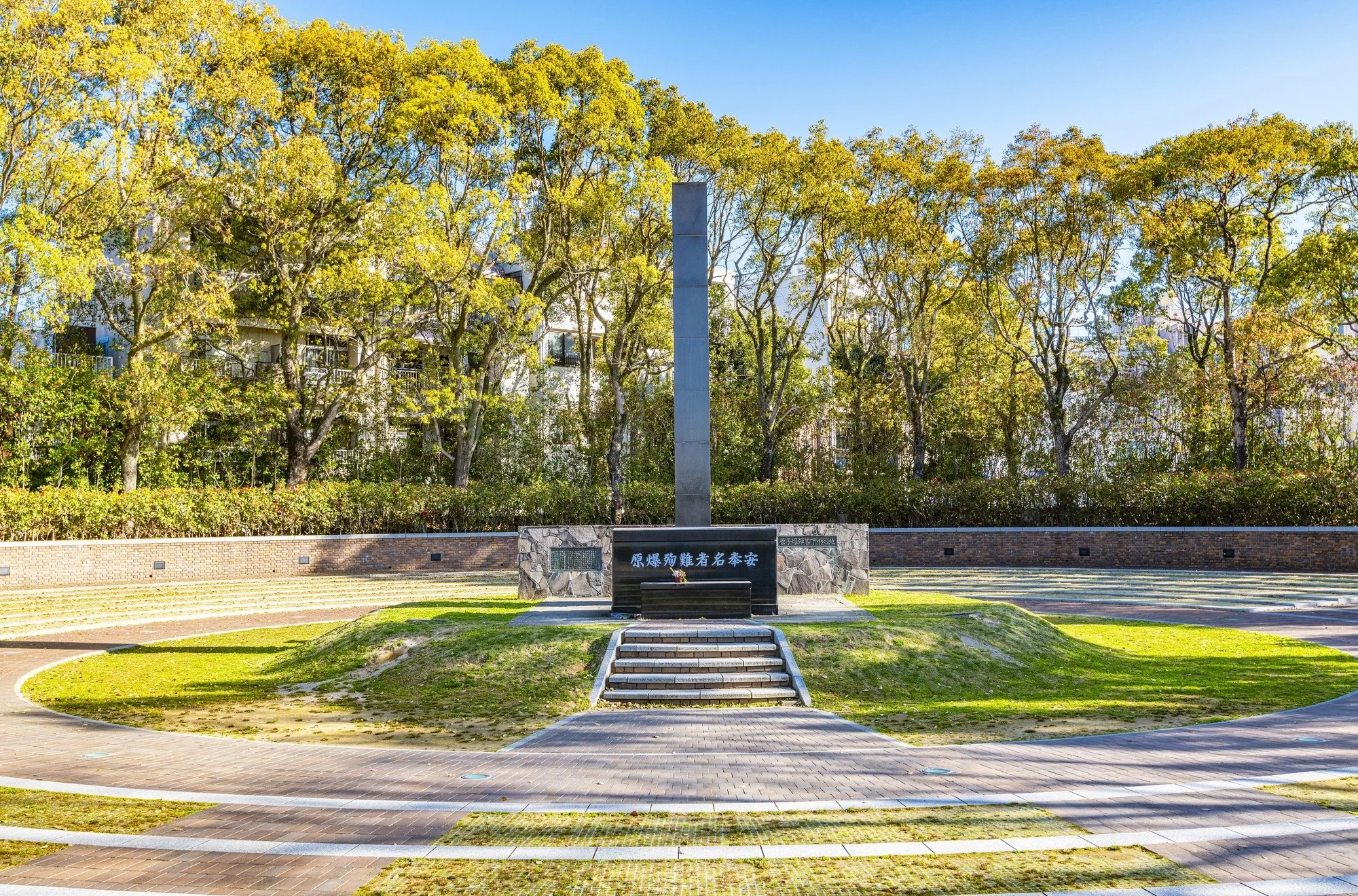
Located in the Urakami district of Nagasaki, Nagasaki Atomic Bomb Hypocenter Park marks the exact ground zero of the atomic bombing on August 9, 1945. The park is a quiet, open space centered around a stark black stone monument that indicates the hypocenter, or point directly beneath the explosion. Its simple design and subdued atmosphere encourage visitors to stop, reflect, and understand the gravity of what occurred here.
On that day in 1945, an atomic bomb detonated approximately 500 meters above this location, instantly destroying much of the surrounding area and claiming tens of thousands of lives. The Urakami district, once a residential and religious center, was reduced to rubble in seconds. In the postwar years, as Nagasaki began the long process of recovery, the site was preserved to ensure that the reality of the devastation would never be forgotten.
Today, the Nagasaki Hypocenter Park stands as a powerful historical marker and a place of remembrance. Visitors often combine a visit here with nearby memorials and museums to gain a fuller understanding of Nagasaki’s experience and its message to the world. For traveler’s, the park offers a deeply sobering moment—connecting them directly to history while reinforcing the enduring call for peace, reflection, and the prevention of future tragedy.
Location Details
Operating Hours: 24 Hours
Admission: Free
Location: 9 Matsuyamamachi, Nagasaki, 852-8118, Japan
Nagasaki Atomic Bomb Museum
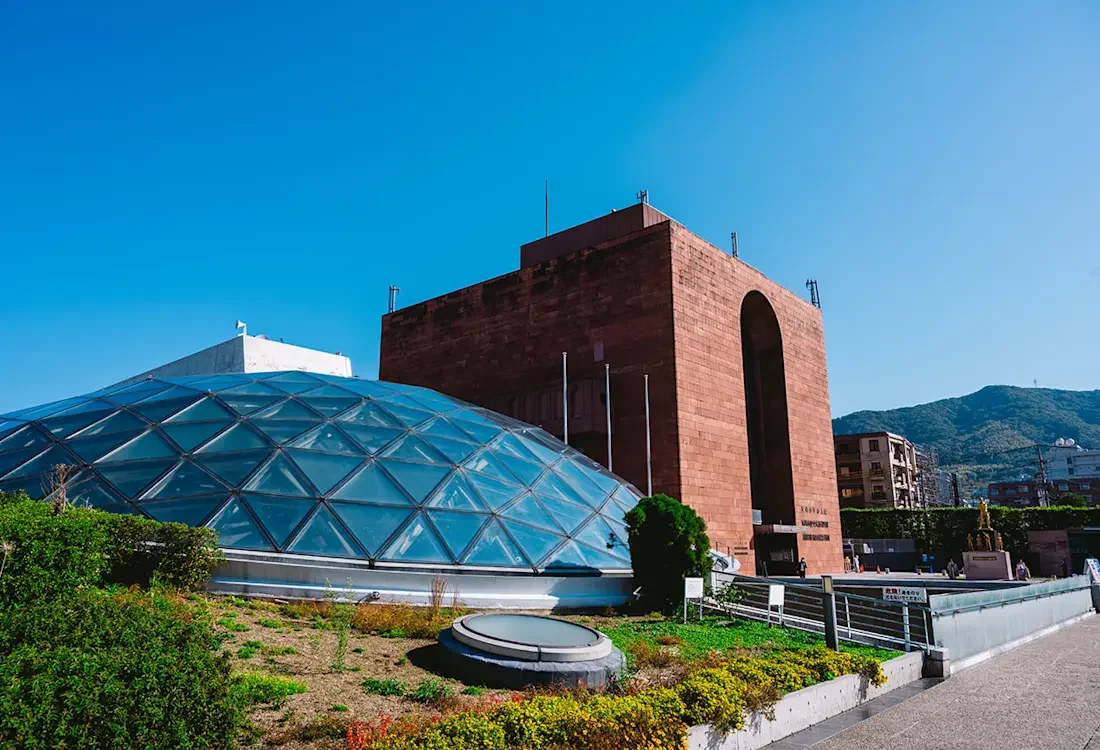
Located near the Nagasaki Peace Memorial Park, Nagasaki Atomic Bomb Museum is a powerful and educational site that documents one of the most tragic moments in modern history. The museum’s thoughtfully designed exhibits guide visitors through the events of August 9, 1945, using photographs, artifacts, and multimedia displays to convey the human impact of the atomic bombing. Its calm, carefully structured layout encourages reflection while helping visitors understand the scale and consequences of nuclear warfare.
The museum stands close to the atomic bomb hypocenter, where an atomic bomb detonated over Nagasaki during the final days of World War II. The explosion devastated the city, causing immense loss of life and long-lasting suffering from radiation exposure. In the decades following the war, Nagasaki committed itself to sharing its experience with the world, and the museum was established to preserve survivor testimonies, historical records, and physical remains from the bombing.
Today, the Nagasaki Atomic Bomb Museum plays a vital role in peace education and global awareness. Visitors gain insight not only into the destruction of the past, but also into Nagasaki’s recovery and its strong message advocating for nuclear disarmament. For traveler’s, the museum offers a deeply moving experience—one that transforms historical understanding into a shared responsibility to remember, reflect, and work toward a more peaceful future.
Nagasaki Ropeway
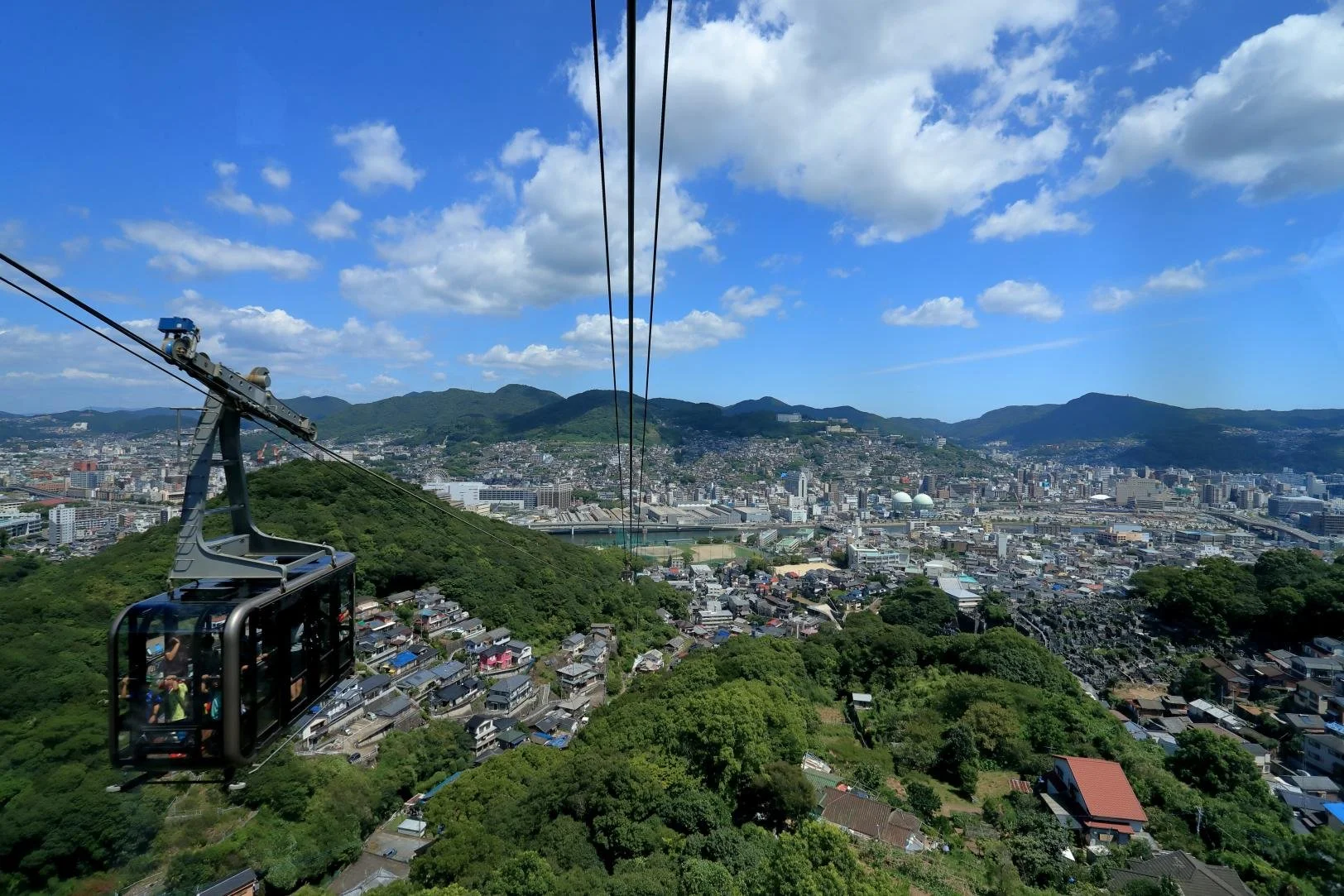
Rising above the city and harbor, Nagasaki Ropeway offers one of the most spectacular panoramic views in Japan. The ropeway carries visitors smoothly up Mount Inasa, revealing sweeping vistas of Nagasaki’s hillside neighborhoods, winding coastline, and glittering port below. By day, the city’s unique geography comes into focus; by night, the view transforms into one of Japan’s famous “ten million dollar night views.”
Mount Inasa has long been valued as a scenic lookout, but the ropeway made the summit far more accessible to the public. First opened in the mid-20th century and later modernized, the Nagasaki Ropeway reflects the city’s postwar recovery and redevelopment. As Nagasaki rebuilt itself following World War II, improving access to scenic and cultural landmarks became part of reconnecting people with the city’s beauty and identity.
Today, the Nagasaki Ropeway is a must-visit attraction for both first-time travelers and returning visitors. The summit observation deck offers unobstructed views in every direction, along with cafés and rest areas that encourage visitors to linger. Blending natural scenery, modern engineering, and a deep sense of place, the ropeway provides a memorable way to experience Nagasaki’s landscape while appreciating the city’s resilience and renewal.
Location Details
Operating Hours: 8:30am - 5:30pm
Admission: Adults ¥200 Children Free
Location: 7-8 Hiranomachi, Nagasaki, 852-8117, Japan
Location Details
Operating Hours: 9:00am - 10:00pm
Admission: Adults ¥730 oneway ¥1250 return Children ¥410 oneway ¥620 return
Location: 8-1 Fuchimachi, Nagasaki City, Nagasaki Prefecture, 852-8012, Japan
Mt. Inasayama Observatory
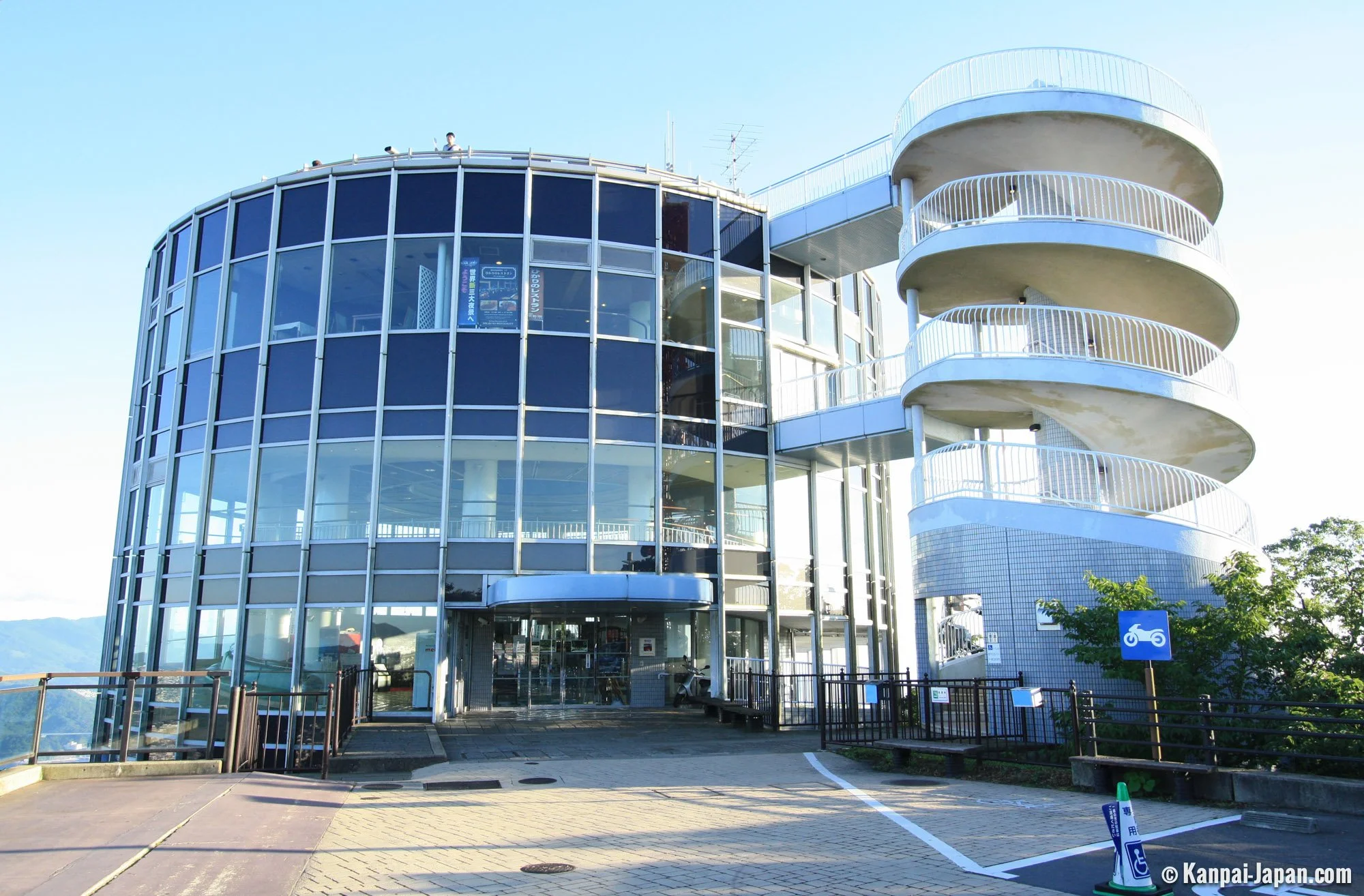
Perched atop Mount Inasa overlooking the city and harbour, Mt. Inasayama Observatory is one of Nagasaki’s most celebrated viewpoints. From the modern observation deck, visitors are treated to sweeping 360-degree views of the city’s hills, winding coastline, and surrounding seas. Whether visited during the day or after sunset, the scenery is breathtaking, with the night view famously ranked among Japan’s best.
Mount Inasa has long been valued as a natural lookout due to its strategic height and clear views over Nagasaki’s port. Historically, the mountain played a role in navigation and observation during the city’s development as an international trading port. As Nagasaki rebuilt and modernised after World War II, the summit was developed into a public observation area, reflecting the city’s desire to reconnect people with its landscape and showcase its beauty from above.
Today, Mt. Inasayama Observatory stands as both a scenic highlight and a symbol of Nagasaki’s resilience. Easily accessed by ropeway, bus, or car, it attracts traveler’s from around the world seeking one of Japan’s most iconic panoramas. Combining natural grandeur with historical context, the observatory offers a memorable perspective on a city shaped by geography, history, and renewal.
Location Details
Operating Hours: 8:00am - 10:00pm
Admission: Free
Location: Japan, 852-8011 Nagasaki, Ohamamachi, 364
Fuchi Shrine
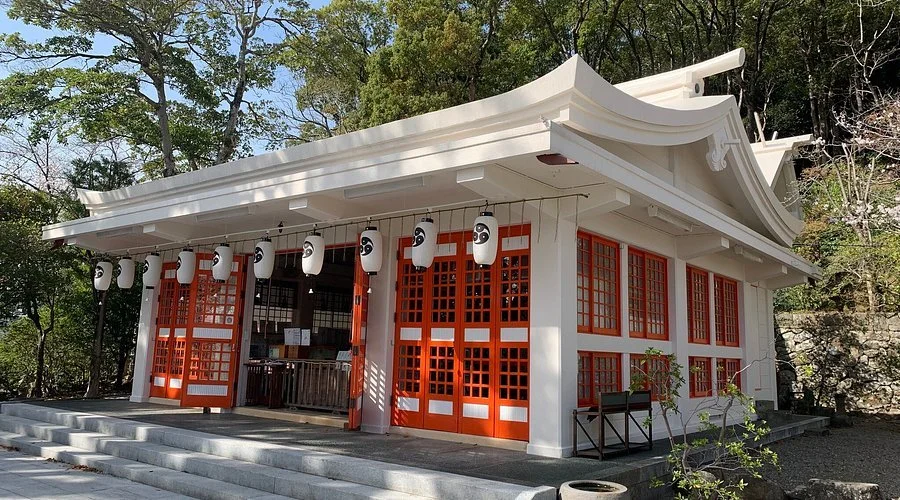
Tucked away on a hillside overlooking the city, Fuchi Shrine is a quiet and atmospheric Shinto shrine offering both spiritual calm and sweeping views of Nagasaki. Reached by a gentle climb through residential streets and stone steps, the shrine rewards visitors with a peaceful setting framed by trees, torii gates, and glimpses of the harbor below. Its elevated position gives the site a reflective, almost hidden quality compared to the city’s larger landmarks.
Fuchi Shrine was founded in the mid-19th century, during a time when Nagasaki was one of Japan’s few ports open to foreign trade. Dedicated to protective deities associated with maritime safety and regional well-being, the shrine reflected the city’s close relationship with the sea and overseas travel. Over the years, it became a place where locals prayed for safe voyages, prosperity, and protection in a city shaped by constant contact with the outside world.
Today, Fuchi Shrine remains a modest but meaningful part of Nagasaki’s spiritual landscape. Locals visit for quiet prayer, while traveler’s discover it as a scenic and less-crowded alternative to larger shrines. Blending hillside views, historical roots, and everyday devotion, Fuchi Shrine offers visitors a gentle reminder of Nagasaki’s layered past and its enduring connection between faith, community, and the sea.
Location Details
Operating Hours: 24 Hours
Admission: Free
Location: 8-1 Fuchimachi, Nagasaki, 852-8012, Japan
Discover more Nagasaki with our Patreon Community
Ready to explore more of Nagasaki with confidence? Join our Patreon community and unlock exclusive travel videos, travel guides and carefully crafted itineraries designed to help you discover more of Nagasaki, its amazing destinations, hidden gems, and unforgettable experiences. Interact with the Let’s Go Explore community to discuss and discover travel adventures. Whether you're planning your next adventure or just dreaming about it, we’ll help you travel smarter, easier, and with more excitement every step of the way.
Discover the History and Scenic Beauty of Nagasaki – A City Shaped by Culture and the Sea ⚓🌄🇯🇵
Explore the unique and picturesque city of Nagasaki, known for its rich international history, beautiful harbour views, and hillside scenery. In this edition of the Lets Go Explore travel newsletter, we highlight the foods you can’t miss—from famous local dishes like champon noodles and castella cake to fresh seafood and regional specialties. We’ll also guide you through the easiest ways to get around the city using trams, buses, and scenic walking routes that connect Nagasaki’s top attractions.
Inside, you’ll find our Top 5 sightseeing ideas, a carefully planned 3-day itinerary, and seasonal travel inspiration to help you experience Nagasaki at its best—whether it’s spring flower festivals, summer harbour events, colourful autumn foliage, or sparkling winter night views. Discover exactly why Nagasaki belongs on your travel list and how to make the most of your visit to this historic and unforgettable Japanese destination.
Discover the Unique Flavours of Nagasaki – A Blend of Cultures on Every Plate 🍜⚓🇯🇵
Get ready to explore the diverse and fascinating food scene of Nagasaki, a city known for its international influences and distinctive local cuisine. In this Lets Go Explore food guide, we highlight the must-eat local dishes and show you exactly where to find them—from famous champon noodles and hearty regional specialties to hidden local eateries loved by residents. You’ll also discover the sweet treats you shouldn’t miss, along with popular local favourites that reflect Nagasaki’s rich cultural history.
Don’t forget the drinks—this guide features the best local beverages to try, from regional sake and craft beers to refreshing drinks that perfectly complement Nagasaki’s flavourful dishes. Discover exactly why Nagasaki belongs on your food travel list and how to make every bite a memorable part of your journey.

Where to Stay in Nagasaki – Scenic Hillside Views and Historic Charm 🏨⚓🇯🇵
Discover the best places to stay in Nagasaki, a unique port city known for its rich history, beautiful harbour views, and welcoming atmosphere. In this Lets Go Explore accommodation guide, we highlight the best areas to stay—whether you want to be close to waterfront attractions, historic districts, or convenient transport connections. You’ll explore the different types of accommodation the city has to offer, from luxury hotels with panoramic views to comfortable mid-range stays and budget-friendly options.
We also share helpful seasonal tips to help you choose the right location depending on the time of year, along with practical booking tips to secure the best deals and availability. Discover exactly why Nagasaki is a great place to stay, with its scenic setting, relaxed pace, and variety of accommodation options that make every visit comfortable and memorable.
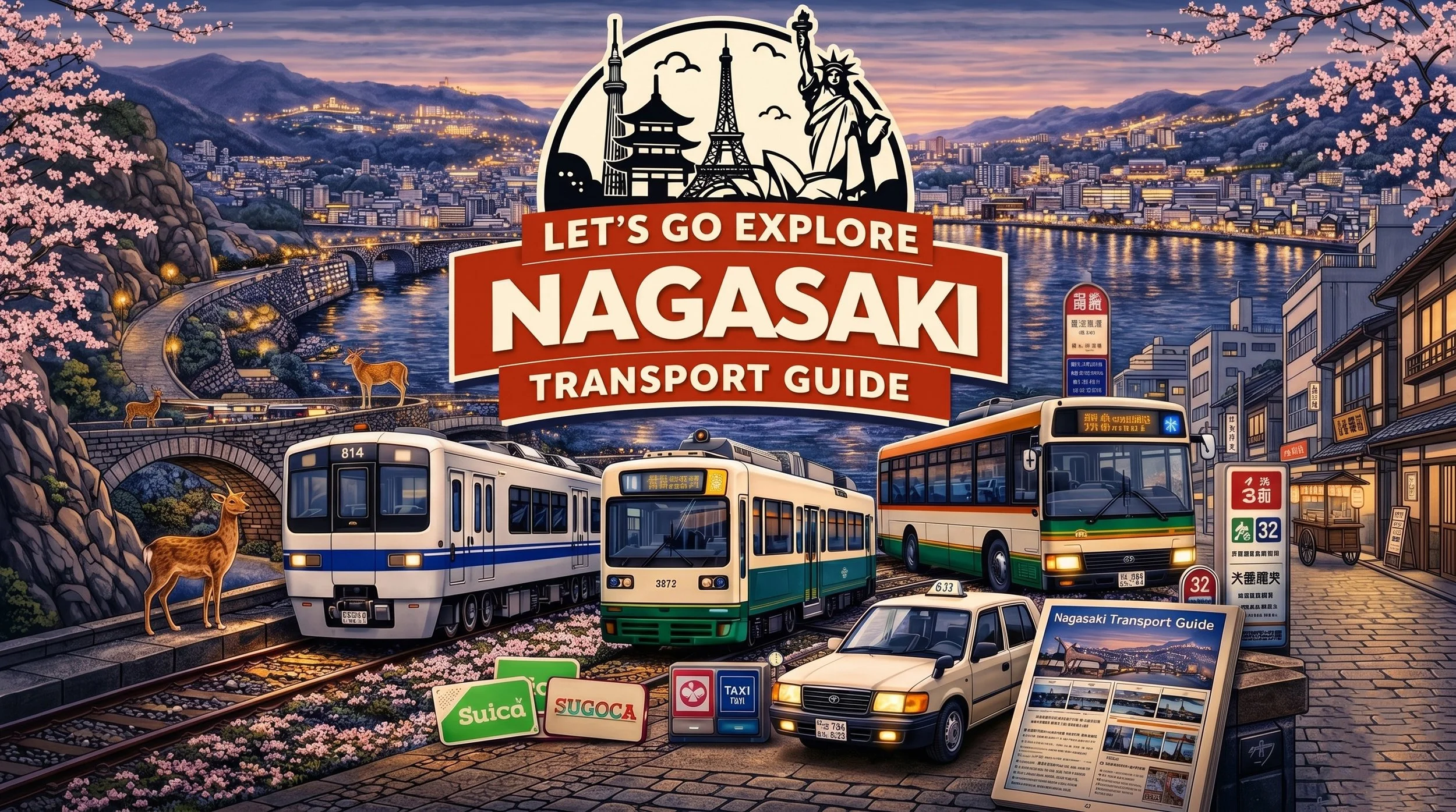
Getting Around Nagasaki – Scenic Travel Through a Historic Port City 🚋🚌🇯🇵
Explore Nagasaki with confidence using the city’s reliable and easy-to-understand transportation system. In this Lets Go Explore transportation guide, we cover all the different types of transport the city has to offer—from the iconic street trams and local buses to trains, ropeways, and airport connections—so you’ll know exactly how to reach major attractions, hillside viewpoints, and waterfront districts without hassle.
You’ll also learn how to pay for transportation using IC cards, tickets, and travel passes, along with practical tips to help you navigate the city efficiently. Discover exactly why Nagasaki is easy to explore, thanks to its well-organised tram network, compact sightseeing areas, and convenient transport options that make getting around simple and enjoyable.

Nagasaki Narratives: Discover History, Hillside Views, and International Flavours 🌉⛪🌸
Explore the rich culture and fascinating past of Nagasaki with a sightseeing guide designed to help you experience one of Japan’s most unique and scenic cities. Inside, you’ll find must-visit spots and exactly where to find them, from historic landmarks and panoramic viewpoints to charming waterfront districts and cultural attractions. We also uncover local hidden gems and favourite neighbourhood spots where you can enjoy authentic local cuisine and discover the city’s distinctive blend of Japanese and international influences. The guide highlights seasonal experiences—from spring cherry blossoms and lively summer festivals to colourful autumn foliage and sparkling winter illuminations—along with easy day trips from Nagasaki to nearby islands, hot springs, and coastal destinations. Whether you're drawn by history, culture, food, or breathtaking scenery, this guide shows why Nagasaki belongs on your travel list and helps you create a memorable journey in one of Japan’s most captivating port cities.