Kanagawa
Located just south of Tokyo, Kanagawa Prefecture is a diverse and scenic region that blends major port cities, historic towns, mountains, and coastline. Home to vibrant urban centers like Yokohama, cultural destinations such as Kamakura, and natural escapes including Hakone and the Tanzawa mountains, Kanagawa offers travelers a wide range of experiences within easy reach of the capital. From waterfront views and hot springs to temples, shrines, and modern attractions, the region captures many sides of Japan in one compact area.
Historically, Kanagawa has played a pivotal role in Japan’s interaction with the outside world. In 1859, the Port of Yokohama opened to foreign trade, marking the end of Japan’s long period of isolation and accelerating modernization during the late Edo and Meiji periods. At the same time, cities like Kamakura preserve a much older legacy as centers of samurai power and religious life. Today, Kanagawa reflects this layered past—where ancient traditions, international influence, and modern living coexist—making it a compelling gateway to both historical and contemporary Japan.
Tsurugaoka Hachimangu
Located at the heart of Kamakura, Tsurugaoka Hachimangu is one of the city’s most important cultural and spiritual landmarks. Approached via a long, scenic avenue lined with trees and seasonal flowers, the shrine sits elevated against a backdrop of forested hills. Its spacious grounds, ponds, and traditional architecture create a powerful sense of calm while remaining deeply connected to the surrounding town.
Tsurugaoka Hachimangu was founded in 1063 and later expanded in 1180 by Minamoto no Yoritomo, the founder of the Kamakura shogunate. Dedicated to Hachiman, the Shinto deity of warriors and protector of the Minamoto clan, the shrine became the spiritual and political center of Kamakura during Japan’s feudal era. For centuries, it played a central role in samurai culture, hosting important ceremonies, festivals, and events tied to the governance of medieval Japan.
Today, Tsurugaoka Hachimangu remains an active shrine and a symbol of Kamakura’s historical legacy. Visitors can experience traditional rituals, seasonal festivals, and panoramic views from the upper shrine while exploring the surrounding gardens and museum spaces. Blending history, spirituality, and everyday life, the shrine offers traveler’s a meaningful introduction to Kamakura and a deeper understanding of Japan’s samurai past.
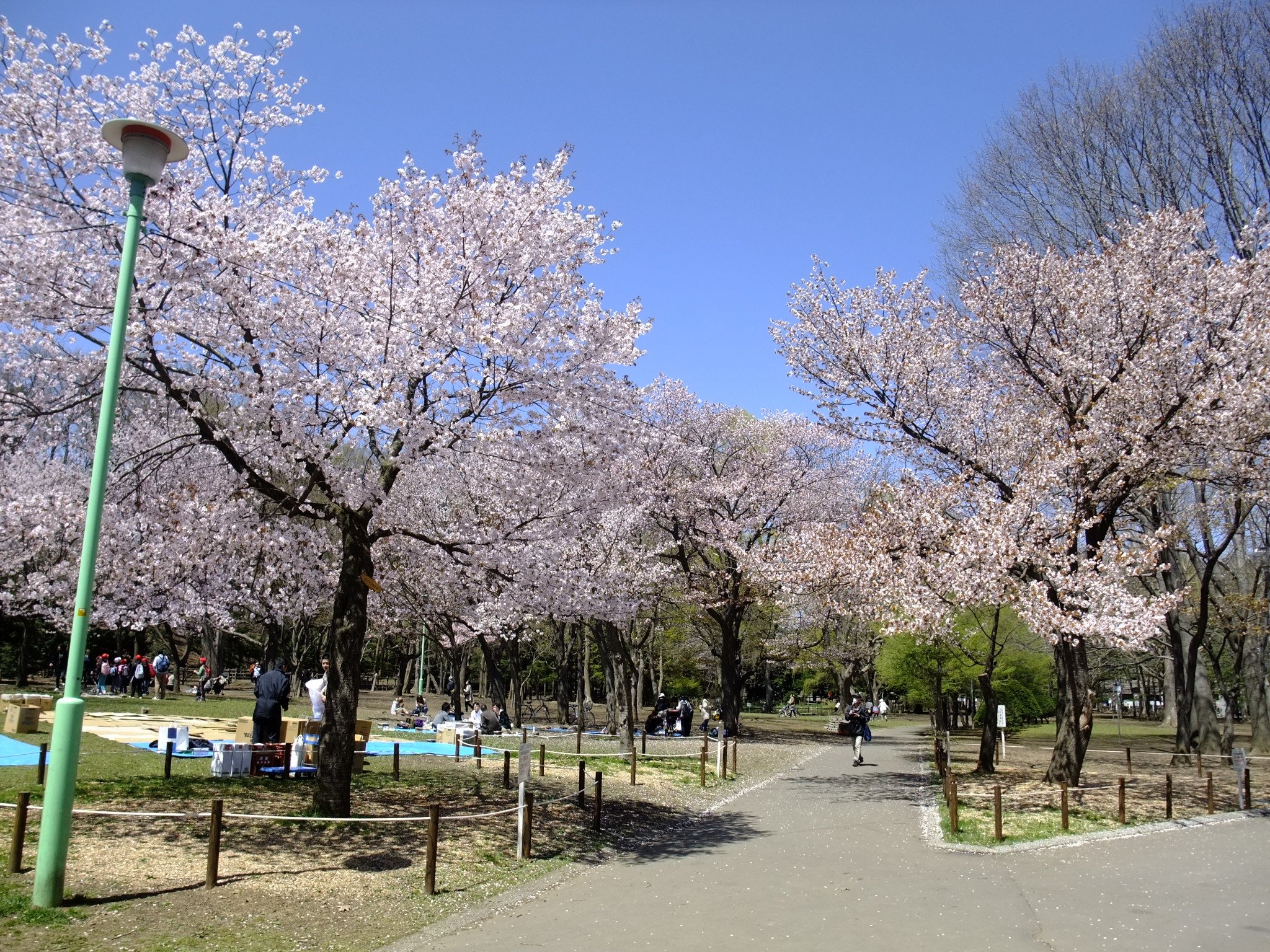
Location Details
Operating Hours: 8:30am - 4:30pm
Admission: Adults ¥500 Children ¥200
Location: 8 Yamanouchi, Kamakura, Kanagawa 247-8525, Japan
Kencho-ji
Set at the foot of forested hills in Kamakura, Kencho-ji is the oldest and most important Zen training temple in Japan. The expansive temple grounds unfold along a central axis, leading visitors past grand gates, serene gardens, and traditional halls that create a strong sense of order and calm. Surrounded by nature and framed by mountain scenery, Kenchō-ji offers a peaceful atmosphere that reflects the core values of Zen Buddhism.
Kencho-ji was founded in 1253 during the Kamakura period under the patronage of the Hōjō regents, who ruled Japan at the time. The temple was established to promote Rinzai Zen Buddhism, newly introduced from China, and quickly became a center for Zen learning and discipline. Over the centuries, Kenchō-ji played a vital role in shaping samurai culture, emphasizing meditation, self-control, and simplicity—qualities that resonated deeply with Japan’s warrior class.
Today, Kencho-ji remains an active monastery and an important cultural landmark. Visitors can explore its historic structures, enjoy seasonal scenery, and experience moments of quiet reflection within its spacious grounds. As part of Kamakura’s network of temples and shrines, Kenchō-ji provides traveler’s with a deeper understanding of Zen practice and a lasting connection to the spiritual and historical foundations of medieval Japan.
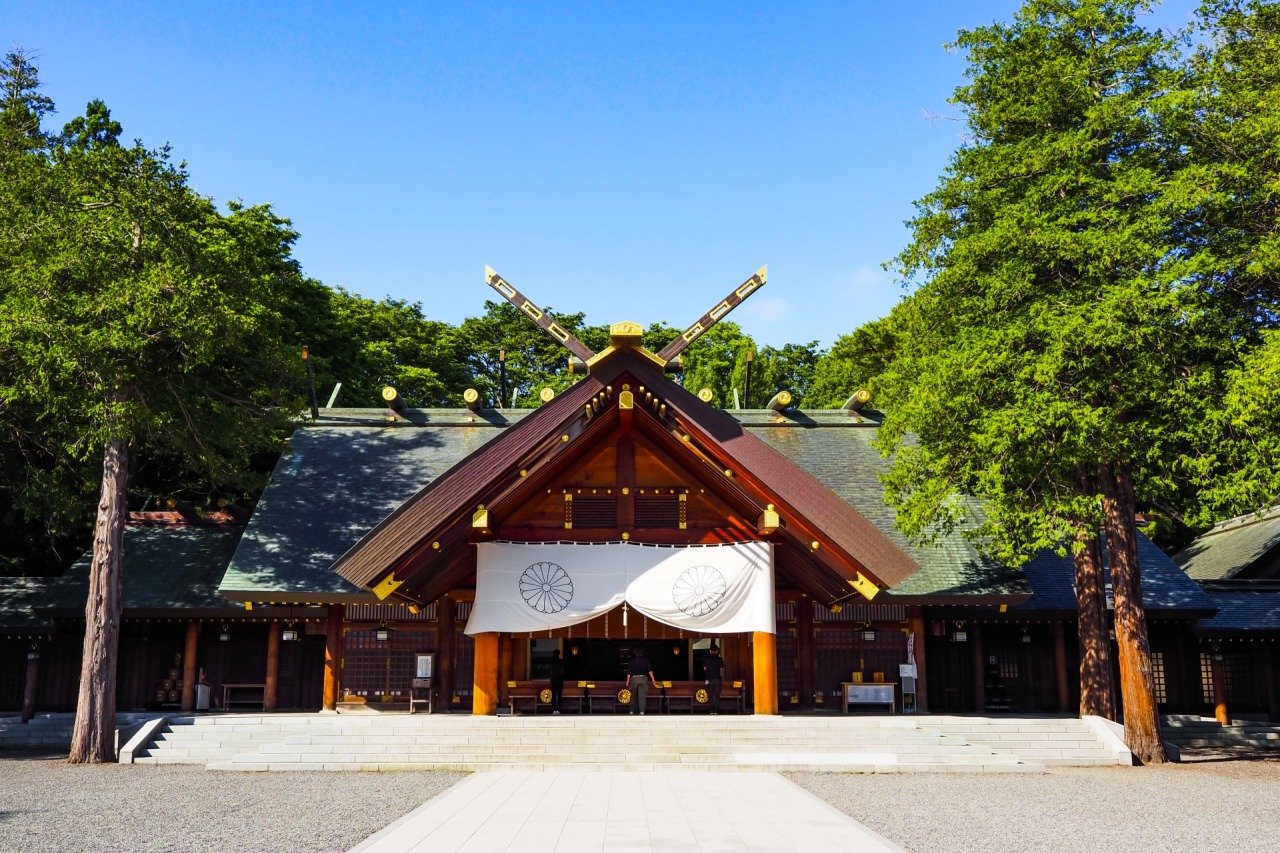
Location Details
Operating Hours: 6:00am - 8:00pm
Admission: Free
Location: 2 Chome-1-31 Yukinoshita, Kamakura, Kanagawa 248-8588, Japan
Odawara Castle
Standing proudly in the coastal city of Odawara, Odawara Castle is one of Kanagawa Prefecture’s most iconic historical landmarks. The reconstructed castle keep rises above surrounding parkland, offering views of the city, Sagami Bay, and distant mountains. Stone walls, moats, and spacious grounds invite visitors to explore at a relaxed pace, especially during cherry blossom season when the area fills with color and activity.
Odawara Castle is best known as the stronghold of the powerful Hōjō clan, who ruled much of the Kanto region during the Sengoku period. From the 15th to the late 16th century, the castle was considered nearly impregnable, protected by layers of fortifications spread across the surrounding landscape. Its fall in 1590 to Toyotomi Hideyoshi marked a major turning point in Japanese history, paving the way for national unification after centuries of warfare.
Today, Odawara Castle serves as a gateway to the region’s samurai past. The interior of the keep functions as a museum, showcasing armor, weapons, and historical displays, while the surrounding grounds host festivals and seasonal events. For traveler’s, the castle offers a vivid introduction to feudal Japan and a meaningful stop between Tokyo and Hakone, where history, scenery, and local culture come together.
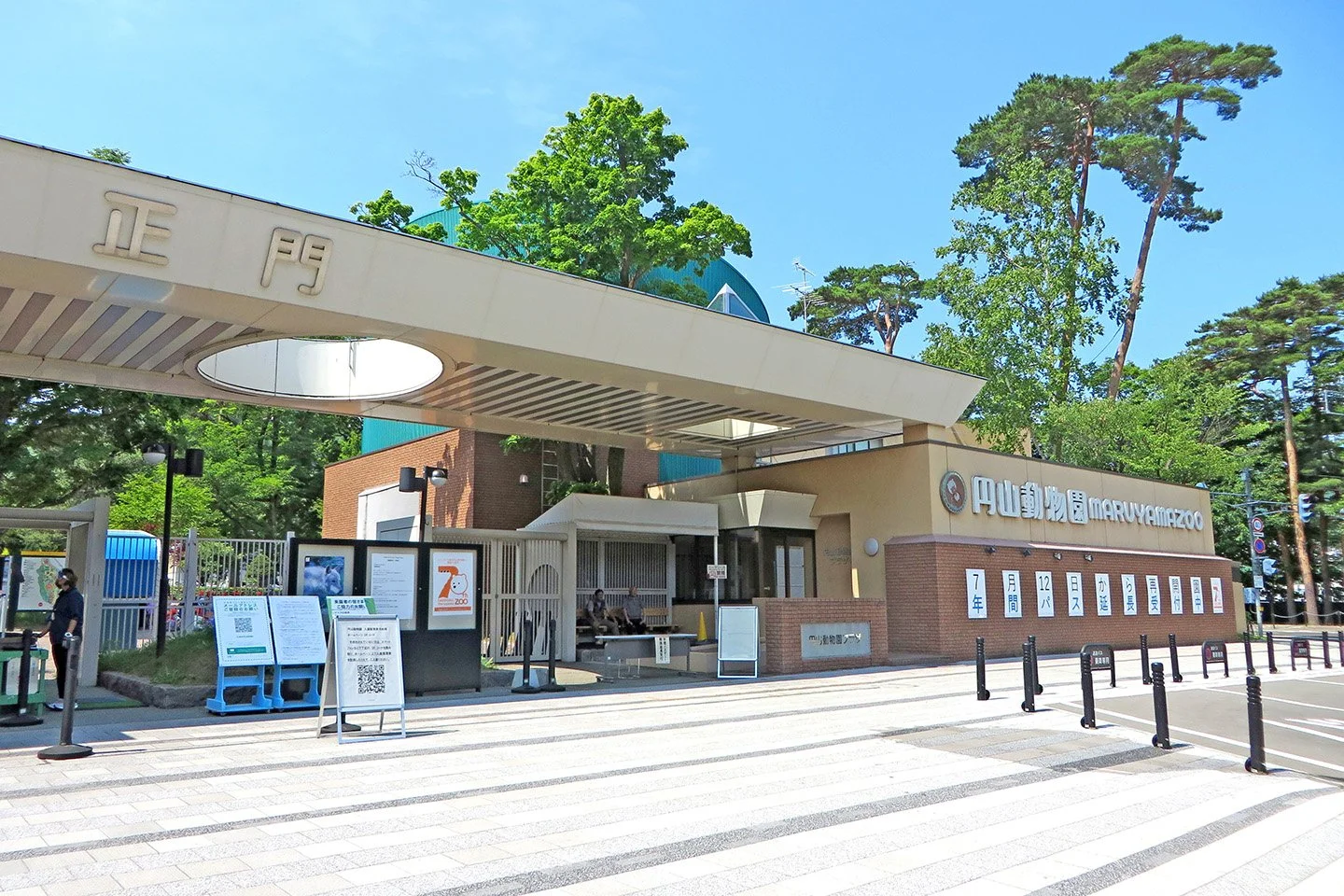
Fujisan Hongu Sengen Taisha Shrine
Fujisan Hongu Sengen Taisha Shrine is the most important of the Sengen shrines dedicated to Mount Fuji, located in the city of Fujinomiya at the mountain’s southwestern base. Set against a backdrop of clear spring water, towering cedar trees, and views of Japan’s most iconic peak, the shrine offers a serene and deeply spiritual atmosphere. Visitors are welcomed by expansive grounds, traditional shrine architecture, and the gentle sound of flowing water from nearby streams fed by Mount Fuji’s snowmelt.
The shrine’s origins date back over 1,300 years, traditionally founded in the early 9th century to pacify the volcanic eruptions of Mount Fuji. Dedicated to Konohanasakuya-hime, the Shinto goddess of volcanoes and blossoms, the shrine became a central place of worship for those living in the shadow of the sacred mountain. During the Heian and Edo periods, it gained national importance as the starting point for pilgrimages up Mount Fuji, and it was supported by both the imperial court and powerful shoguns, including Tokugawa Ieyasu.
Today, Fujisan Hongu Sengen Taisha Shrine remains a vital spiritual gateway to Mount Fuji and an important cultural landmark. Visitors can explore the honden (main hall), designated a National Important Cultural Property, and walk around Wakutama Pond, whose crystal-clear waters are considered sacred. Blending natural beauty with centuries of history and devotion, the shrine offers traveler’s a meaningful connection to Mount Fuji’s spiritual legacy and Japan’s enduring reverence for the natural world.
Taisekiji
Taisekiji is the head temple of Nichiren Shōshū Buddhism, located at the southwestern foothills of Mount Fuji in Fujinomiya, Shizuoka Prefecture. Surrounded by open grounds, forests, and views of Japan’s most sacred mountain, the temple complex offers a calm and contemplative atmosphere. Its expansive layout, formal gates, and carefully maintained paths reflect the solemn and disciplined nature of the sect it represents.
Taisekiji was founded in 1290 by Nikkō Shōnin, a direct disciple of the Buddhist priest Nichiren. After Nichiren’s death, Nikkō established the temple as a center to preserve what he believed to be Nichiren’s orthodox teachings. Over the centuries, Taisekiji developed into the spiritual authority of Nichiren Shōshū, gaining support from local feudal lords and enduring periods of both growth and conflict as Buddhist schools evolved across Japan.
Today, Taisekiji remains an active religious site and an important place of pilgrimage for followers from around the world. Visitors can explore the vast temple grounds, which include historic halls, pagodas, and memorial sites, all set against the powerful presence of Mount Fuji. Blending religious tradition, history, and natural scenery, Taisekiji offers traveler’s a deeper look into Japan’s diverse Buddhist heritage and the enduring influence of faith at the foot of the nation’s most iconic peak.
Shiraito Falls
Shiraito Falls is one of Japan’s most beautiful and distinctive waterfalls, located near the southwestern foothills of Mount Fuji in Shizuoka Prefecture. Unlike a single plunging cascade, Shiraito Falls is formed by hundreds of delicate streams that flow like white silk threads over a curved lava rock cliff. Fed by spring water from Mount Fuji’s snowmelt, the falls create a tranquil, misty atmosphere that feels both refreshing and otherworldly.
The history of Shiraito Falls is closely tied to Mount Fuji’s spiritual legacy. For centuries, the falls have been revered as a sacred purification site for Fuji pilgrims, who would cleanse themselves in the cool waters before beginning their ascent of the mountain. During Japan’s feudal era, the falls were celebrated in poetry and travel writings, admired not only for their beauty but also for their spiritual symbolism. The area was later protected for its cultural and natural significance, earning recognition as part of Mount Fuji’s UNESCO World Cultural Heritage listing.
Today, Shiraito Falls remains a beloved destination for travelers seeking both scenic beauty and a connection to Japan’s past. Well-maintained walking paths and viewing platforms allow visitors to experience the falls from multiple angles, with seasonal highlights ranging from fresh green leaves in spring to fiery autumn foliage. Blending natural elegance, historical reverence, and easy access, Shiraito Falls offers a peaceful escape and a timeless glimpse into the sacred landscapes surrounding Mount Fuji.
Location Details
Operating Hours: 9:00am - 5:00pm
Admission: Adults ¥610 Children ¥220
Location: 6-1 Jonai, Odawara, Kanagawa 250-0014, Japan
Location Details
Operating Hours: 8:30am - 4:30pm
Admission: Free
Location: 1-1 Miyacho, Fujinomiya, Shizuoka 418-0067, Japan
Location Details
Operating Hours: 24 Hours
Admission: Free
Location: 2057 Kamijo, Fujinomiya, Shizuoka Prefecture 418-0116, Japan
Location Details
Operating Hours: 24 Hours
Admission: Free
Location: 273-1 Kamiide, Fujinomiya, Shizuoka 418-0103, Japan