Himeji
Himeji is a historic city in western Japan best known for its elegant castle skyline and relaxed, walkable atmosphere. Located between the Seto Inland Sea and gentle mountain ranges, Himeji offers travelers a blend of cultural landmarks, traditional neighborhoods, and easy access to nature. While quieter than nearby Osaka or Kobe, the city rewards visitors with a strong sense of place and a slower pace that highlights its history.
Historically, Himeji developed as a strategic castle town, reaching its height during the Edo period. The construction of Himeji Castle in the early 17th century established the city as an important political and military center, supporting samurai residences, merchant districts, and religious institutions. Unlike many Japanese cities, Himeji escaped large-scale destruction during World War II, preserving much of its historical layout. Today, the city stands as one of Japan’s best-preserved examples of a feudal castle town, where centuries of history remain clearly visible in everyday life.
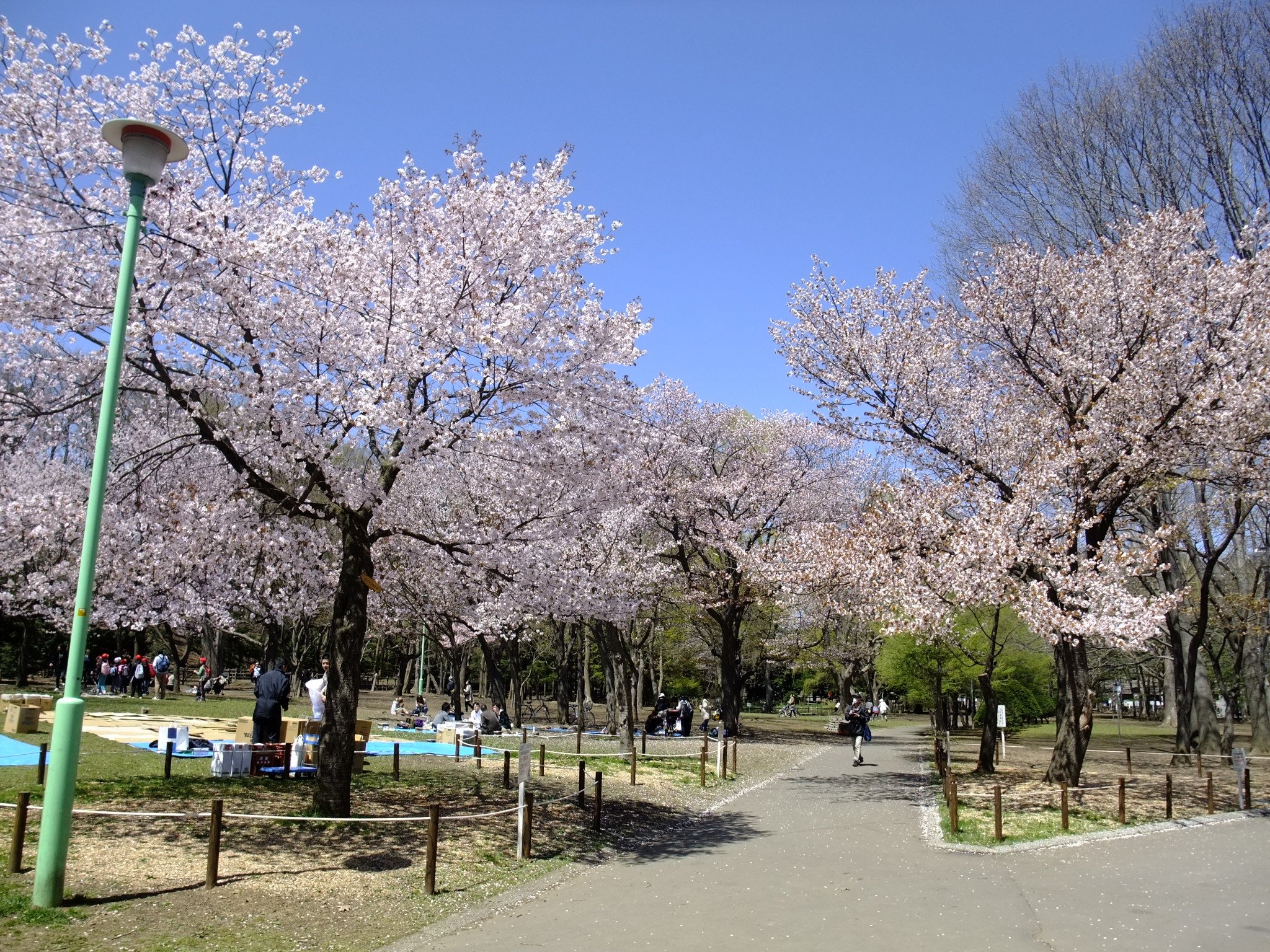
Himeji Castle
Himeji Castle is Japan’s most perfectly preserved feudal castle and one of the country’s most iconic landmarks. Often called the “White Heron Castle” for its brilliant white exterior and graceful silhouette, the castle rises above the city of Himeji with an elegance that belies its defensive strength. Surrounded by stone walls, moats, and carefully designed pathways, the castle offers visitors a striking blend of beauty and military ingenuity.
The origins of Himeji Castle date back to the 14th century, but its current form was largely completed in the early 17th century during the Edo period. Under the rule of Ikeda Terumasa, a powerful daimyo allied with Tokugawa Ieyasu, the castle was expanded into a massive fortress designed to protect the shogunate’s western approaches. Remarkably, Himeji Castle survived centuries of war, earthquakes, and even World War II air raids without being destroyed, making it an exceptionally rare example of original castle architecture.
Today, Himeji Castle is a UNESCO World Heritage Site and a National Treasure of Japan. Visitors can explore its wooden interiors, steep stairways, and ingenious defensive features while enjoying panoramic views from the main keep. In spring, cherry blossoms transform the castle grounds into one of the region’s most celebrated scenic spots. Combining historical authenticity, architectural mastery, and timeless beauty, Himeji Castle offers traveler’s an unforgettable window into Japan’s samurai past.
Location Details
Operating Hours: 9:00am - 5:00pm
Admission: Adults ¥250 Children ¥50
Location: 68 Honmachi, Himeji, Hyogo 670-0012, Japan
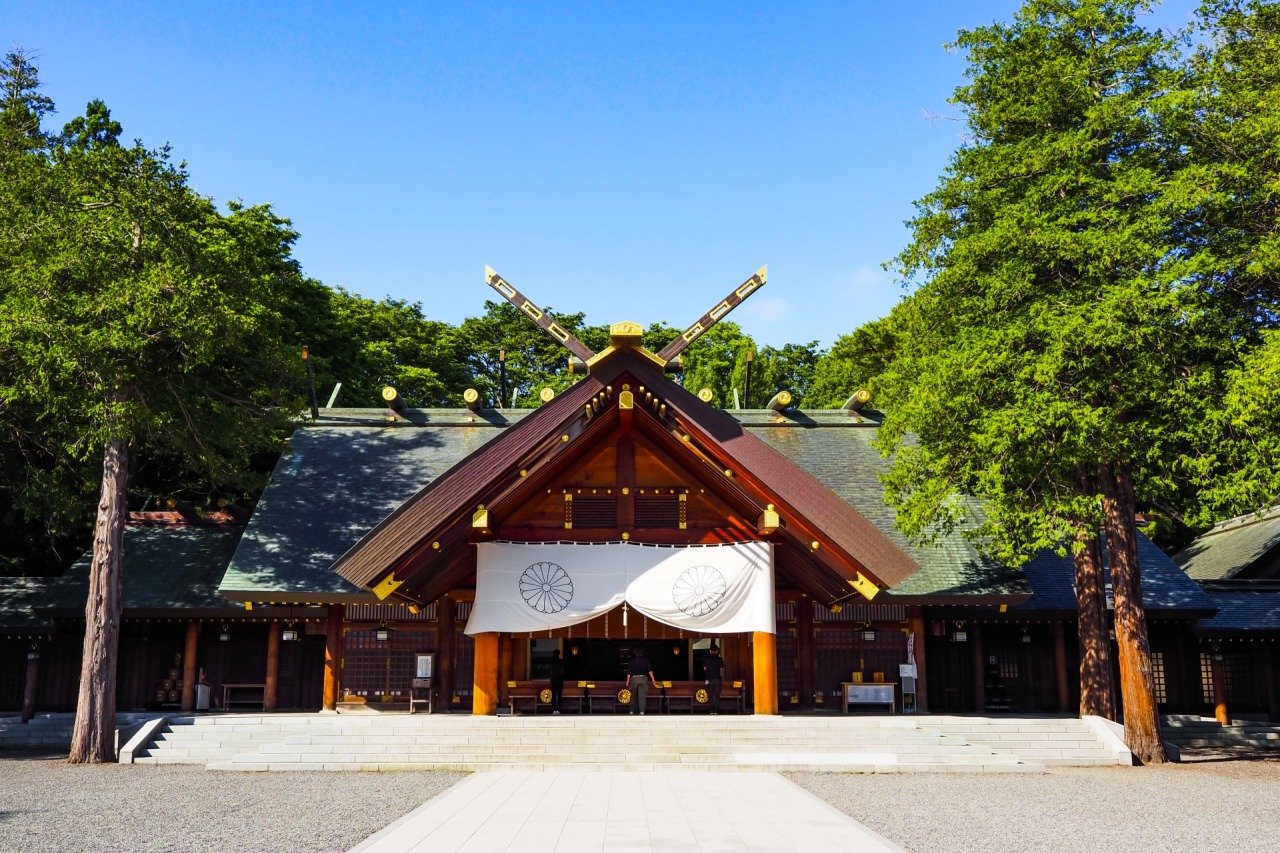
Himeji City Zoo
Himeji City Zoo is a charming, old-style zoo located right next to the iconic Himeji Castle, offering a rare combination of wildlife and historic scenery. Compact and easy to explore, the zoo is home to a variety of animals including giraffes, lions, bears, and small mammals. Its relaxed atmosphere and castle backdrop make it especially popular with families and visitors seeking a nostalgic, local experience.
The zoo opened in 1951, during Japan’s postwar recovery, as part of efforts to create accessible recreational and educational spaces for the public. Built on land adjacent to the castle grounds, Himeji City Zoo reflected a nationwide movement to promote learning, leisure, and community wellbeing after World War II. Over the decades, it became a familiar destination for generations of local residents, closely tied to everyday life in the city.
Today, Himeji City Zoo remains a beloved local attraction, valued as much for its history as for its animals. Seasonal highlights such as cherry blossoms in spring add to its appeal, with Himeji Castle’s white walls rising just beyond the enclosures. Blending postwar heritage, family-friendly fun, and one of Japan’s most famous landmarks, the zoo offers traveler’s a uniquely personal glimpse into Himeji’s community life and enduring sense of place.
Location Details
Operating Hours: 9:00am - 4:00pm
Admission: Adults ¥2500 Children Free
Location: 68 Honmachi, Himeji, Hyogo 670-0012, Japan
Koko-en
Koko-en is a beautifully designed traditional Japanese garden located beside the western moat of Himeji Castle. Composed of nine separate gardens spread across spacious grounds, Koko-en features tranquil ponds, flowing streams, manicured pine trees, and elegant tea houses. The gardens are carefully arranged to reflect different styles of the Edo period, offering visitors a serene contrast to the imposing stone walls of the nearby castle.
Koko-en was opened in 1992 to commemorate the 100th anniversary of the establishment of Himeji City. The garden was created on the former site of samurai residences that once surrounded Himeji Castle during the Edo period. Its design draws inspiration from historical garden styles of the time, recreating the atmosphere of the castle town as it might have appeared centuries ago. In this way, Koko-en serves as both a cultural tribute and a historical reconstruction.
Today, Koko-en is regarded as one of the finest gardens in the Kansai region. Visitors can stroll through seasonal landscapes, enjoy koi-filled ponds, and experience a traditional tea ceremony in an authentic setting. With framed views of Himeji Castle rising beyond garden walls, Koko-en offers traveler’s a refined and peaceful glimpse into Japan’s aesthetic traditions and the everyday world that once surrounded a great feudal stronghold.
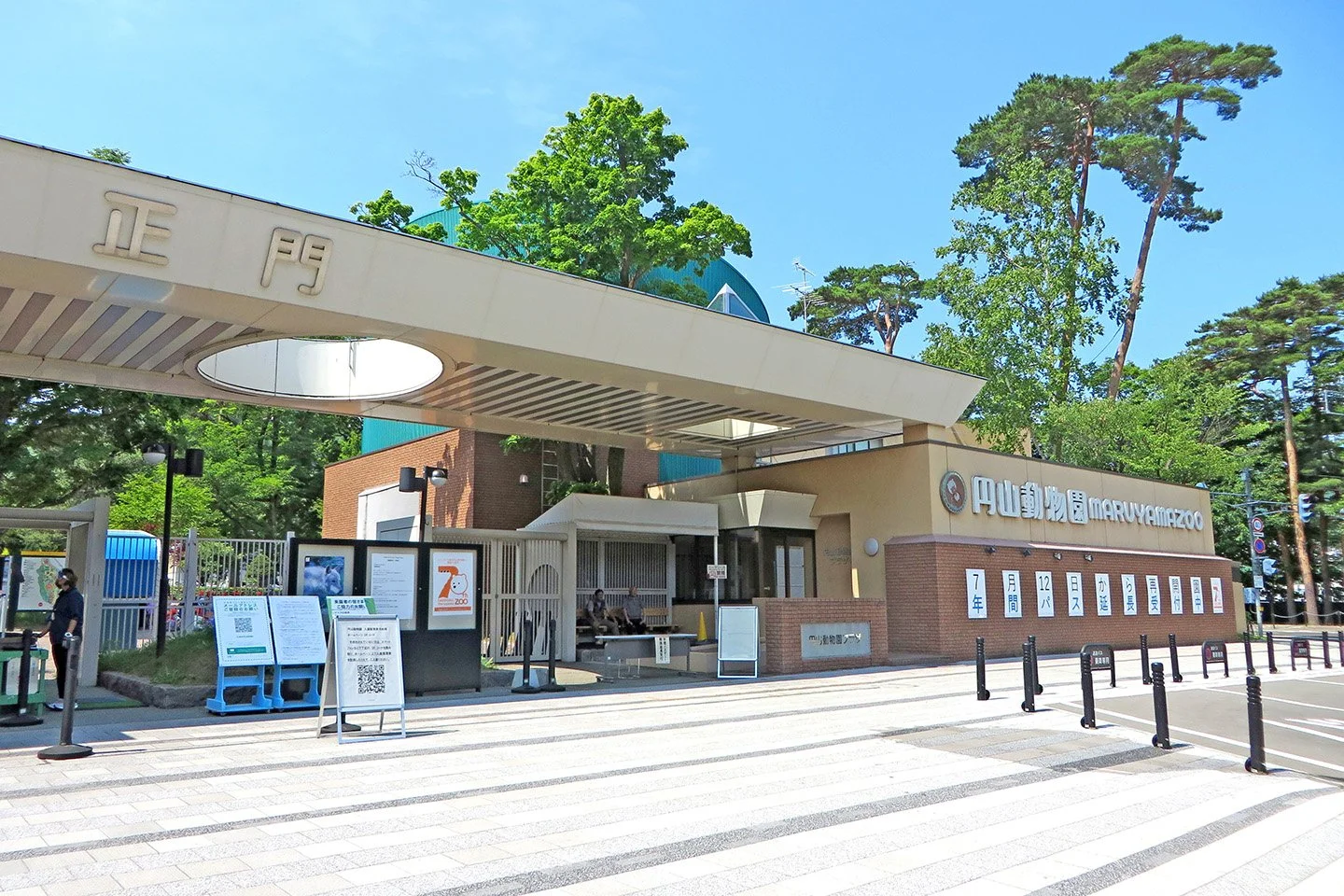
Akashi Castle Ruins
Akashi Castle Ruins sit on a low hill overlooking Akashi City and the Seto Inland Sea, offering open views, spacious parkland, and a relaxed atmosphere. Today, the site is part of Akashi Park, a popular local green space known for its walking paths, lawns, and seasonal flowers. Two original corner turrets (yagura) still stand, giving visitors a tangible connection to the castle’s past amid the peaceful surroundings.
Akashi Castle was built in 1619 under the orders of Tokugawa Ieyasu and constructed by the powerful daimyo Ogasawara Tadazane. Strategically positioned near the Akashi Strait, the castle played an important role in defending the western approaches to Osaka and controlling maritime traffic in the Inland Sea. Unlike many castles, Akashi Castle never had a central keep; instead, it relied on its turrets, stone walls, and natural elevation for defense. The castle was abandoned in the early Meiji period following the end of the feudal system.
Today, the Akashi Castle Ruins are preserved as a place where history and everyday life blend naturally. In spring, cherry blossoms draw crowds from across the region, while the remaining stonework and turrets quietly tell the story of the Edo period’s coastal defenses. Offering both scenic views and historical depth, Akashi Castle Ruins provide traveler’s with a calm yet meaningful stop that highlights Hyogo Prefecture’s samurai-era heritage and seaside setting.
Location Details
Operating Hours: 9:00am - 5:00pm
Admission: Adults ¥310 Children ¥150
Location: 68 Honmachi, Himeji, Hyogo 670-0012, Japan
Location Details
Operating Hours: 24 Hours
Admission: Free
Location: 1-27 Akashikoen, Akashi, Hyogo 673-0847, Japan