Penang
Penang is one of Southeast Asia’s most culturally rich destinations, celebrated for its historic streets, vibrant food scene, and multicultural character. Centered around George Town on Penang Island, the destination blends colonial-era architecture, colorful temples, mosques, and clan houses with lively cafés and street art. From heritage neighborhoods to coastal views and hilltop panoramas, Penang offers travelers a layered experience where tradition and modern life coexist naturally.
Historically, Penang rose to prominence in 1786 when it was established as a British trading post by Captain Francis Light. Its strategic location along major maritime trade routes quickly attracted merchants from China, India, the Middle East, and Europe, shaping the island’s diverse cultural identity. Over time, Penang became part of the Straits Settlements and developed into a key commercial and intellectual center of the region. Today, George Town’s UNESCO World Heritage status preserves this legacy, making Penang a living showcase of centuries of trade, migration, and cultural exchange.
Penang Hill
Rising above George Town, Penang Hill offers cooler temperatures, lush greenery, and some of the most breathtaking views in Penang. From its summit, visitors can enjoy sweeping panoramas of the city, coastline, and surrounding islands, while shaded trails, gardens, and heritage buildings create a peaceful mountain escape. The journey up via the funicular railway is an experience in itself, climbing steep slopes through tropical forest.
Penang Hill’s history dates back to the late 18th century, shortly after the British established George Town in 1786. Recognising the hill’s cooler climate, colonial administrators developed it as a hill station where officials could retreat from the heat and humidity below. Over time, bungalows, rest houses, and early infrastructure were built, and the original hill railway—opened in 1923—became a vital link between the summit and the city.
Today, Penang Hill is both a historical landmark and a protected natural area. Modern upgrades to the funicular have made it more accessible, while conservation efforts preserve its forests and wildlife. For traveler’s, Penang Hill offers a unique blend of colonial history, natural beauty, and panoramic views—providing insight into how Penang’s past and present meet high above the island.
Location Details
Operating Hours: 6:00am - 5:00pm
Admission: Free
Location: 474 Miyagaoka, Chuo Ward, Sapporo, Hokkaido 064-0959, Japan
Hokkaido Jingu
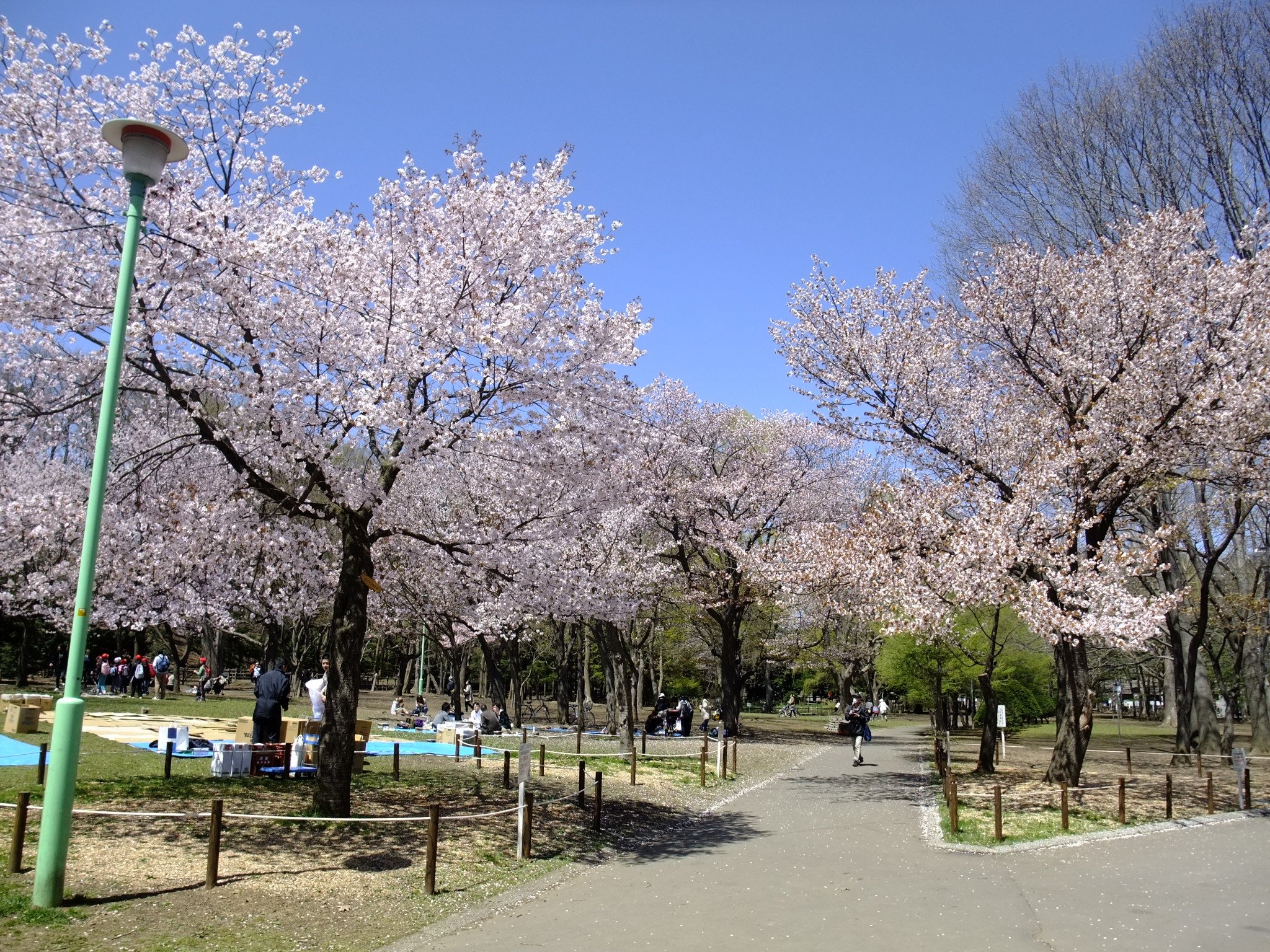
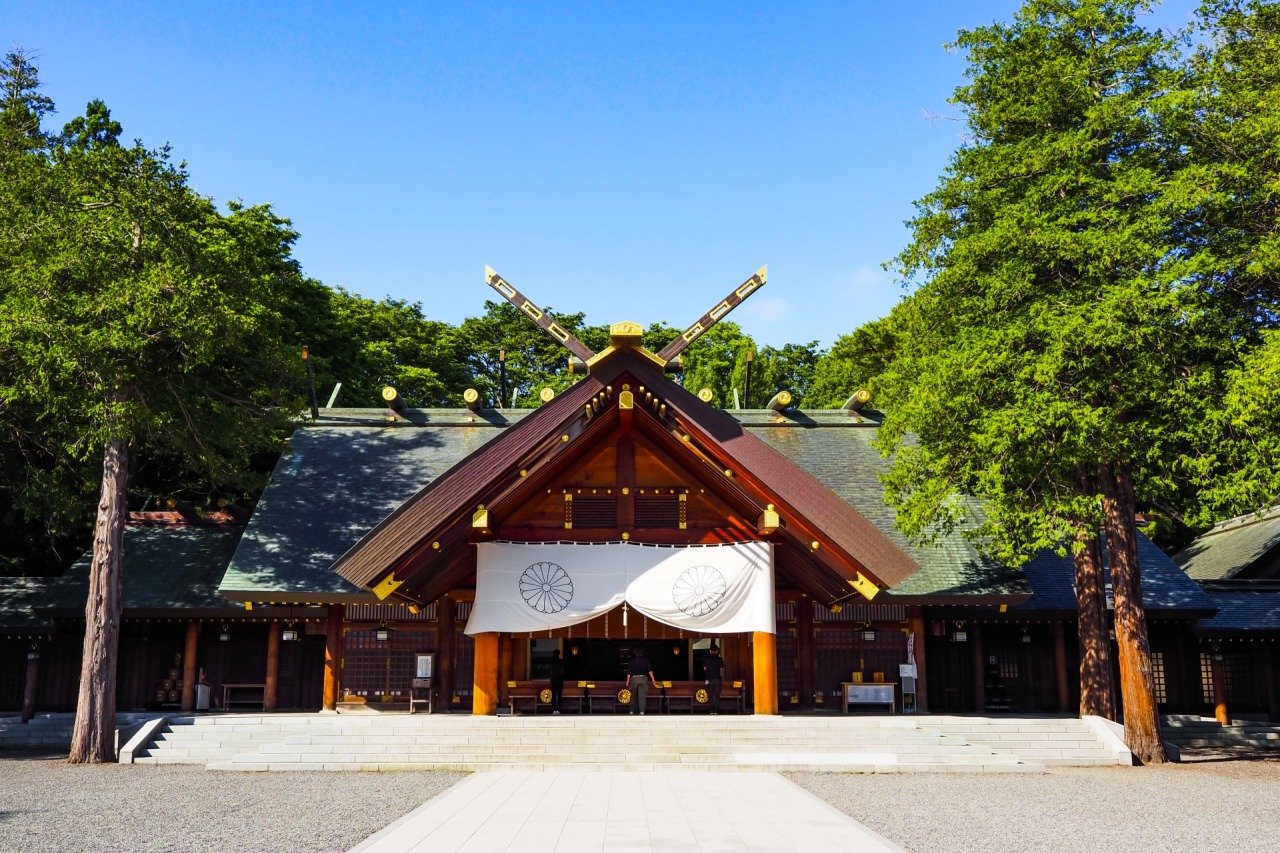
Nestled within the tranquil forest of Maruyama Park, Hokkaido Jingu is Sapporo’s most important Shinto shrine and a place where nature and spirituality exist in quiet harmony. Towering trees line the gravel pathways, creating a serene atmosphere that feels far removed from the city, even though central Sapporo is just minutes away. Throughout the year, visitors come to experience the shrine’s peaceful setting, from vibrant cherry blossoms in spring to snow-draped grounds in winter, each season offering a distinct and memorable view.
Hokkaido Jingu was established in 1869, shortly after the Meiji government began the large-scale development of Hokkaido. Originally named Sapporo Shrine, it was built to enshrine deities believed to protect the island and support its pioneering settlers. In 1964, Emperor Meiji was also enshrined here, and the shrine was renamed Hokkaido Jingu. Its history is closely tied to the founding of modern Sapporo and reflects Japan’s efforts to integrate spiritual tradition with the expansion of its northern frontier.
Today, Hokkaido Jingu remains a central place of worship and cultural life in Sapporo. Locals visit for New Year prayers, traditional weddings, and seasonal festivals, while traveler’s come to gain insight into Shinto customs and Hokkaido’s unique heritage. Whether you are seeking spiritual reflection or a deeper understanding of the region’s history, Hokkaido Jingu offers a meaningful and atmospheric stop on any journey through Sapporo.
Location Details
Operating Hours: 24 Hours
Admission: Free
Location: Japan, 064-0959 Hokkaido, Sapporo, Chuo Ward, Miyagaoka
Sapporo City Maruyama Zoo
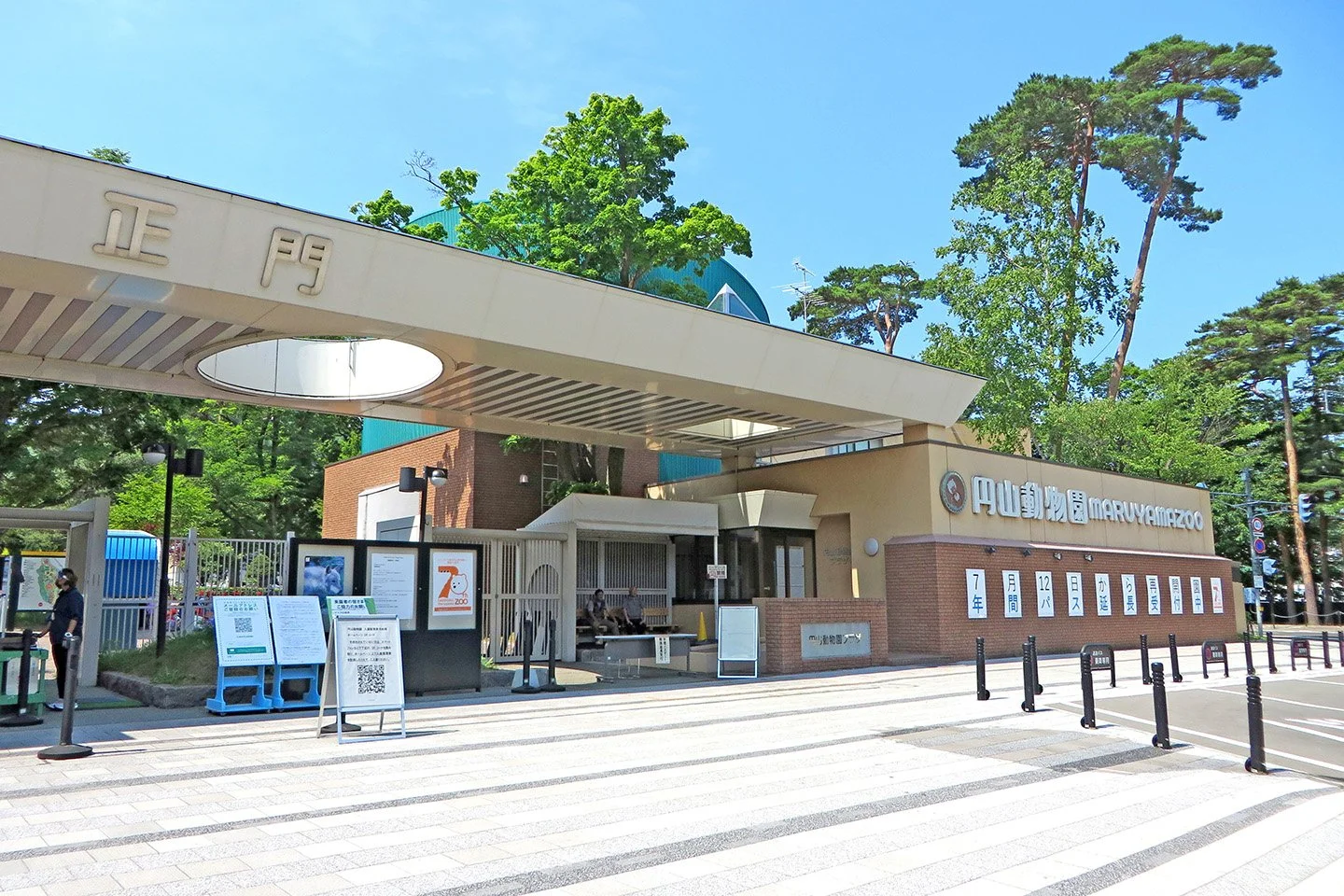
Located at the foot of Mount Maruyama in western Sapporo, Sapporo City Maruyama Zoo is one of Hokkaido’s most beloved family attractions, blending wildlife encounters with the natural beauty of Maruyama Park. Surrounded by forested hills and seasonal scenery—cherry blossoms in spring and snow-covered landscapes in winter—the zoo offers visitors a peaceful escape just minutes from the city center. Its thoughtfully designed enclosures allow guests to observe animals up close while enjoying the calm atmosphere of one of Sapporo’s most scenic districts.
Maruyama Zoo opened in 1951, making it the oldest zoo in Hokkaido. It was established during Japan’s postwar reconstruction period as part of a broader effort to create educational and recreational spaces for the public. Over the decades, the zoo has continually evolved, introducing modern facilities and naturalistic habitats that reflect a growing awareness of animal welfare and environmental education. The zoo’s close connection to Maruyama Park and nearby Hokkaido Shrine also ties it deeply to the historical development of Sapporo as a planned modern city.
Today, Sapporo City Maruyama Zoo is especially known for its exhibits featuring animals from cold climates, such as polar bears, snow leopards, and red pandas—species well suited to Hokkaido’s northern environment. Interactive learning spaces and conservation-focused displays make it a rewarding experience for visitors of all ages. Whether you’re traveling with family or simply seeking a relaxing cultural stop, Maruyama Zoo offers a meaningful look at wildlife, history, and Sapporo’s long-standing commitment to education and nature.
Odori Park
Stretching through the heart of Sapporo, Odori Park is a wide, green boulevard that divides the city into north and south, offering a refreshing open space amid an urban landscape. Lined with lawns, flower beds, fountains, and public art, the park is a favorite gathering place for both locals and visitors. From casual strolls and café breaks to seasonal events, Odori Park provides a relaxing way to experience Sapporo’s vibrant city life at a slower, more scenic pace.
Odori Park dates back to 1871, when it was originally created as a firebreak during the early planning of Sapporo under the guidance of foreign advisors. At the time, it served a practical purpose rather than a recreational one, separating government buildings from residential areas to help prevent the spread of fires. As the city grew, the space was gradually transformed into a public park, reflecting Sapporo’s evolution from a frontier settlement into a modern city.
Today, Odori Park is best known as the main venue for some of Sapporo’s most iconic events, including the Sapporo Snow Festival in winter and the Yosakoi Soran Festival in summer. Seasonal flower displays, beer gardens, and illuminated winter scenery make the park lively throughout the year. Whether you visit during a major festival or on a quiet afternoon, Odori Park offers a perfect introduction to Sapporo’s history, culture, and everyday charm.
Sapporo TV Tower
Rising above the eastern end of Odori Park, the Sapporo TV Tower is one of the city’s most recognizable landmarks and a symbol of Sapporo’s modern identity. From its observation deck, visitors can enjoy panoramic views of Odori Park stretching westward, the grid-like streets of central Sapporo, and the surrounding mountains beyond. By day or illuminated at night, the tower offers a striking vantage point that captures the rhythm and beauty of the city in every season.
The Sapporo TV Tower was completed in 1957, during a period of rapid postwar growth and modernization in Japan. Designed by Tachū Naitō, the same engineer behind Tokyo Tower, it was built to support television broadcasting as well as to serve as a new city landmark. At the time, the tower represented technological progress and optimism, reflecting Sapporo’s emergence as a major urban center in northern Japan.
Today, the tower remains both a functional broadcast facility and a popular sightseeing spot. The observation deck, souvenir shops, and seasonal lighting displays continue to draw visitors, especially during major events like the Sapporo Snow Festival held in Odori Park below. Whether you’re admiring the cityscape, learning about Sapporo’s postwar history, or simply enjoying the view, the Sapporo TV Tower offers a memorable perspective on the city’s past and present.
Toyohira River
Flowing through the heart of Sapporo, the Toyohira River is a defining natural feature of the city, offering wide riverbanks, scenic walking paths, and open views that change with the seasons. In summer, locals enjoy cycling and picnics along its banks, while in winter the snow-covered landscape highlights the river’s quiet beauty. Framed by distant mountains and the urban skyline, the Toyohira River provides a refreshing contrast to city life and an inviting space for relaxation and outdoor activity.
The Toyohira River has played a vital role in Sapporo’s history since the city’s earliest days. During the late 19th century, its waters were essential for irrigation, daily life, and the development of agriculture as settlers moved into Hokkaido. The river also helped shape Sapporo’s distinctive grid-style city layout, influencing where neighbourhoods and infrastructure were built as the city expanded. Over time, flood control projects were introduced to protect the growing population, transforming the river into a more managed but still prominent part of the urban landscape.
Today, the Toyohira River is valued not only for its historical importance but also as a major recreational and ecological corridor. Well-maintained parks and riverside trails make it a popular destination for jogging, cycling, and seasonal events, while ongoing conservation efforts help preserve local wildlife. Whether you’re exploring Sapporo on foot or simply enjoying the view, the Toyohira River offers a deeper connection to the city’s origins and its enduring relationship with nature.
Location Details
Operating Hours: 9:30am - 4:00pm
Closed Every Second Wednesday
Admission: Adults ¥800 Children Free
Location: 3 Chome-1 Miyagaoka, Chuo Ward, Sapporo, Hokkaido 064-0959, Japan
Location Details
Operating Hours: 24 Hours
Admission: Free
Location: Japan, 060-0042 Hokkaido, Sapporo, Chuo Ward, Odorinishi
Location Details
Operating Hours: 9:00am - 10:00pm
Admission: Adults ¥1,200 Children ¥600
Location: 1 Chome Odorinishi, Chuo Ward, Sapporo, Hokkaido 060-0042, Japan
Location Details
Operating Hours: 24 Hours
Admission: Free
Location: Sapporo